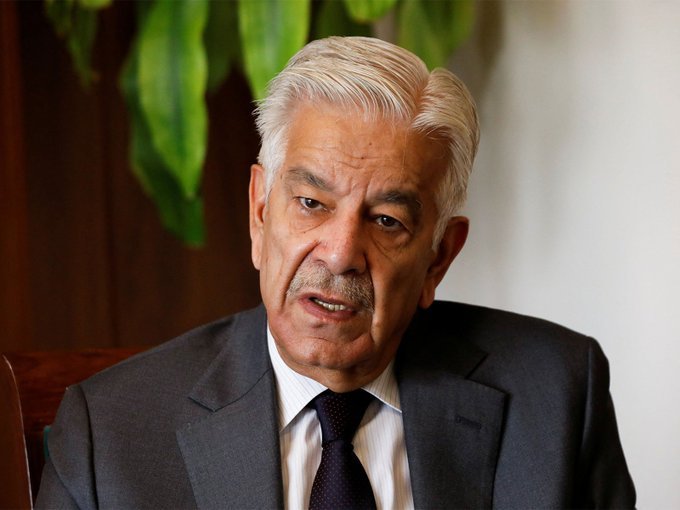
The warning comes after reports that India could halt the flow of Indus waters to Pakistan by 2028, raising concerns in a country already facing severe water shortages.
BY PC Bureau
June 22, 2026: The ongoing dispute over the Indus Waters Treaty has taken a sharper turn, with Pakistan warning that any attempt by India to curtail its share of river waters could trigger a military response. The remarks come amid heightened tensions between the two neighbours following India’s suspension of the decades-old water-sharing agreement.
Pakistan Defence Minister Khawaja Asif, speaking to ARY News on Sunday, said water security is directly linked to the country’s national security and warned that Islamabad would not remain passive if its interests were threatened.
“The moment we feel that our national security — and water is part of our national security — is being threatened, we will go to war against India. Definitely,” Asif said.
🚨 Breaking: Pakistan’s Defence Minister Khawaja Asif direct threat to India: Water & Indus Waters Treaty are our national interest. If India stops it we will go to War. ⚔️🔥
They accuse others of weaponizing terror, while turning water into a weapon.💧
Indus Waters Treaty… pic.twitter.com/y6aMRLEYfR
— 🇵🇰 قـيـس بـن حـارث 🇸🇦 (@Qais_99k2) June 20, 2026
The minister indicated that Pakistan, already struggling with a worsening water crisis, could take action if it believes India is moving aggressively to restrict or alter water flows under the Indus river system.
His comments followed reports of statements by India’s Jal Shakti Minister, C.R. Patil, suggesting that the flow of Indus waters to Pakistan could be completely halted by June 2028.
The latest exchange has further strained relations that have remained tense since India suspended the 1960 Indus Waters Treaty after the April 2025 terror attack in Pahalgam, Jammu and Kashmir, which left 26 people dead. India blamed Pakistan-backed terrorists for the attack and subsequently placed the World Bank-brokered treaty in abeyance, stating that it would remain suspended until Pakistan takes credible and irreversible action against cross-border terrorism.
READ: 100 Days, Major Milestone: LG Unveils Landmark Water Conservation Project in Leh
The treaty regulates the sharing of waters from the Indus river basin and grants Pakistan access to nearly 80 per cent of the system’s waters, making it crucial to the country’s agriculture, irrigation network and economy.
Pakistan has repeatedly criticised India’s decision, arguing that any disruption in water flows would have severe consequences for millions of people who rely on the river system.
Last week, Pakistan’s Deputy Prime Minister Ishaq Dar urged the United Nations Security Council to intervene over what he described as India’s violations of the treaty. Earlier this month, Islamabad also alleged that India plans to develop a river-linking project to divert water from the Chenab River, calling the proposal a serious breach of the treaty and international law.
With Pakistan facing increasing water scarcity and climate-related challenges, the dispute over the Indus river system is emerging as a significant new source of friction between the two nuclear-armed neighbours.