Pakistan is leveraging its unique ties with both US and Iran to facilitate confidence-building measures and prevent further escalation, particularly in sensitive maritime zones.
BY PC Bureau
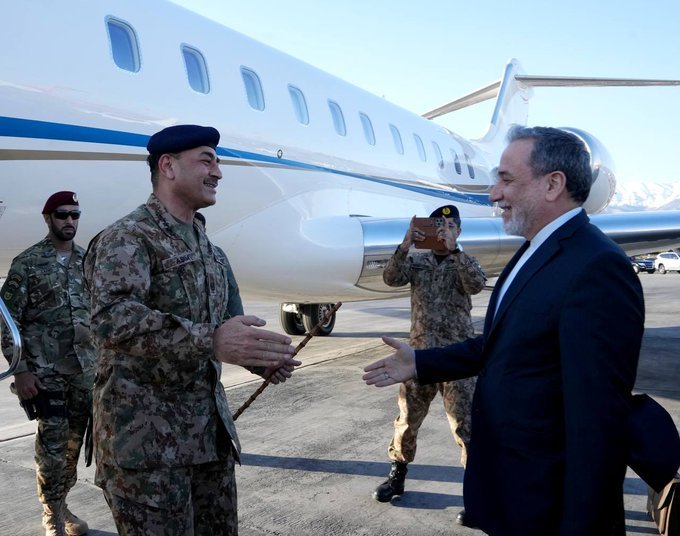
April 15, 2026: Pakistan’s Army Chief, Asim Munir, has arrived in Tehran at the head of a high-level military and diplomatic delegation, in what is being seen as a critical effort to revive stalled negotiations between Iran and the United States.
The visit comes at a particularly sensitive moment, with tensions in the region remaining high despite a fragile ceasefire and ongoing indirect communications between Washington and Tehran. Pakistan has emerged as a key intermediary in recent weeks, hosting the first round of direct US-Iran talks in Islamabad and maintaining backchannel links with both sides.
Field Marshal Munir’s visit is expected to focus on stabilising the current situation and laying the groundwork for renewed diplomatic engagement. According to officials familiar with the discussions, the agenda includes confidence-building measures, mechanisms to prevent further escalation at sea, and the potential reopening of critical maritime routes — particularly in and around the Strait of Hormuz, which has been at the center of the ongoing standoff.
READ: Iran Raises Stakes, Warns Red Sea Could Be Next Flashpoint
Another key objective of the visit is to explore the feasibility of scheduling a second round of face-to-face negotiations between US and Iranian officials. The earlier talks in Islamabad, though extensive, ended without a breakthrough, leaving both sides locked in a delicate balance between diplomacy and military pressure.
Munir, who has played a pivotal role in facilitating military-to-military contacts, is also expected to engage with Iran’s senior security leadership to ensure that communication channels remain open even as tensions persist. His outreach reflects an attempt to reduce the risk of miscalculation, particularly in contested maritime zones where incidents could quickly spiral into a broader conflict.
Pakistan’s involvement highlights its evolving diplomatic posture in the region. Traditionally aligned with Western security frameworks but maintaining functional ties with Iran, Islamabad is uniquely positioned to act as a bridge between the two adversaries. Its ability to host negotiations and sustain dialogue has elevated its role from a peripheral player to a central mediator in the current crisis.
Analysts note that Pakistan’s credibility in this role stems from a combination of strategic necessity and geopolitical balancing. Stability in the Gulf region is vital for Pakistan’s own economic and energy security, while its relationships with both Washington and Tehran provide it with leverage that few other actors possess.
At the same time, the success of this mediation effort remains uncertain. Deep mistrust continues to define US-Iran relations, and the ongoing naval blockade, coupled with threats of wider maritime disruption, has further complicated the diplomatic landscape.
Nevertheless, Munir’s visit signals a renewed push to keep dialogue alive at a time when the risk of escalation remains high. With global attention focused on the region’s critical shipping lanes and energy supplies, the outcome of these engagements could prove decisive in determining whether the current ceasefire holds — or gives way to a broader confrontation.