BY PC Bureau
April 15, 2026: Iran’s military has threatened to shut down shipping operations in the Red Sea as well as the Persian Gulf and Sea of Oman if the United States continues its blockade of Iranian ports.
Maj. Gen. Ali Abdollahi, commander of the Khatam al-Anbiya Central Headquarters — the unified command of Iran’s armed forces — described the blockade as “illegal” and warned that its continuation would constitute a violation of the ceasefire agreement.
Abdollahi said Iran “would not allow any exports or imports to continue in the Persian Gulf, the Sea of Oman, and the Red Sea under such conditions,” according to state-run media.
Although Iran does not geographically border the Red Sea, it is widely seen as wielding influence over armed groups in the region, raising concerns that any escalation could extend beyond its immediate coastline and affect critical global shipping routes.
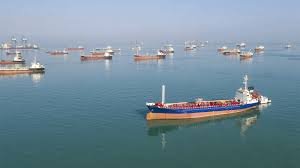
The warning comes as the United States intensifies its naval blockade of Iran, now in its third day. The operation, overseen by United States Central Command, targets vessels entering or leaving Iranian ports around the strategically vital Strait of Hormuz.
#Iran warns of #Red_Sea disruption if #US blockade persists
Addis Abeba — Iran’s military has warned it could expand disruptions to key maritime routes, including the Red Sea, Sea of Oman and the Gulf if the United States continues its naval blockade on Iranian ports.
In a… pic.twitter.com/C1xN8xH3YS
— Addis Standard (@addisstandard) April 15, 2026
CENTCOM has claimed the blockade has “completely halted” Iran’s maritime trade, with US forces turning back multiple vessels in the early phases of the operation. While aimed at Iranian-linked shipping, some commercial traffic not bound for Iran continues to pass through the corridor under heightened monitoring.
READ: SC Stays Relief to Pawan Khera, Directs Him to Seek Bail in Assam
Strategic Signalling and Global Stakes
Amid the escalating standoff, US President Donald Trump said China is “very happy” with efforts to ensure the Strait of Hormuz remains open, adding that Beijing has agreed not to supply weapons to Iran during the crisis — a claim that, if accurate, could reshape regional dynamics.
The military escalation comes against the backdrop of a fragile ceasefire that has yet to be formally extended. Diplomatic efforts continue through Pakistan, which has emerged as a key mediator following talks in Islamabad that ended without a breakthrough.
Both Washington and Tehran have kept indirect communication channels open, but deep mistrust persists, and the window for de-escalation appears to be narrowing.
In a parallel development, Israel carried out fresh strikes in Lebanon, issuing evacuation warnings in southern areas. Despite the strikes, both sides have agreed to continue ceasefire discussions, reflecting ongoing efforts to contain the broader conflict.
Threat to Global Trade
The possibility of disruptions extending to multiple maritime chokepoints — from the Strait of Hormuz to the Red Sea — has raised alarm in global energy and shipping markets. Analysts warn that even partial disruption could significantly impact oil supplies and international trade flows.
With military posturing intensifying and diplomacy struggling to keep pace, the situation remains highly volatile — with the risk of a wider regional confrontation growing by the day.