BY PC Bureau
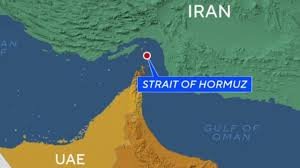
June 20: Iran has announced the closure of the Strait of Hormuz, one of the world’s most critical oil transit routes, escalating tensions with the United States and Israel despite ongoing diplomatic efforts aimed at easing regional hostilities.
The announcement was made by Iran’s Khatam al-Anbiya Headquarters, the country’s top joint military command, which accused Washington and Tel Aviv of violating a ceasefire understanding and continuing hostile actions, particularly in southern Lebanon.
According to Iran’s Mehr news agency, the military command described the alleged ceasefire violations as a “clear breach of trust” and said the closure of the Strait of Hormuz was the first step in Tehran’s response. It warned that additional measures could follow if the situation persisted.
The United States, however, disputed Iran’s claim. Vice President JD Vance said Washington had not observed any disruption to maritime traffic through the strategic waterway and remained confident that the ceasefire framework negotiated between the parties would hold.
🚨 BREAKING: Iran’s Khatam al-Anbiya Central Headquarters has announced the closure of the Strait of Hormuz, citing what it calls U.S. failure to uphold the “end-of-war agreement,” Israel’s continued strikes in southern Lebanon, and Israel’s refusal to withdraw from the area.… pic.twitter.com/USjP7rLg8t
— MeidasTouch (@MeidasTouch) June 20, 2026
READ: Manipur Cop, Arambai Tenggol Cadres Held in NIA Crackdown
The Strait of Hormuz, which connects the Persian Gulf to the Gulf of Oman, is a vital artery for global energy supplies. A significant share of the world’s oil and liquefied natural gas exports passes through the narrow shipping lane, making any threat to its operation a major concern for international markets.
The development comes at a sensitive diplomatic moment. A ceasefire between Israel and Hezbollah took effect on Friday following an escalation in cross-border hostilities, creating space for renewed engagement between Tehran and Washington.
US special envoy Steve Witkoff is expected to travel to Switzerland for talks with Iranian officials on a possible nuclear agreement. Iranian negotiators are also heading to Switzerland for discussions on an interim framework, according to state media reports.
Iranian Foreign Ministry spokesperson Esmail Bagaei said any agreement would ultimately be judged by its implementation, reflecting continued skepticism despite the resumption of diplomatic contacts.
While there has been no independent confirmation of a disruption to shipping through the Strait of Hormuz, Iran’s announcement underscores the fragility of the current ceasefire and the challenges facing ongoing diplomatic efforts in the region.