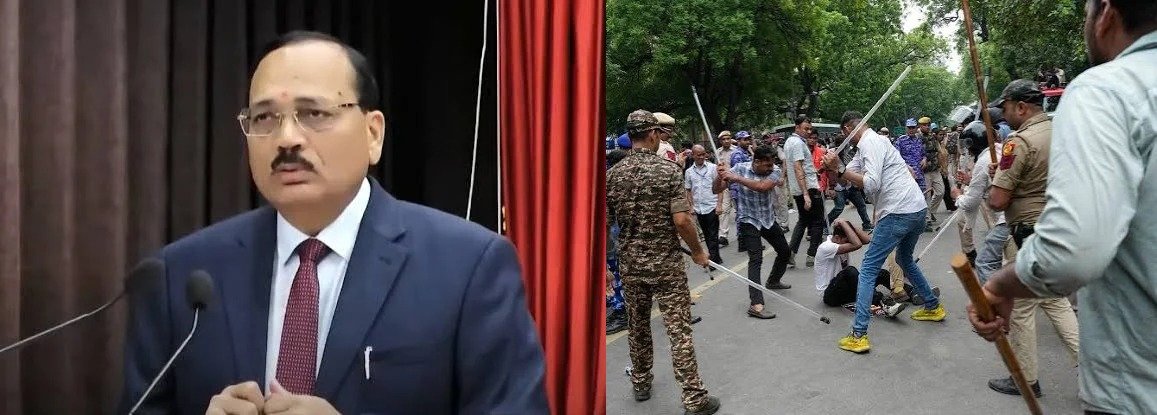
A day after the Delhi High Court declined urgent intervention, the Supreme Court also refused to fast-track a petition alleging excessive police force against students protesting over the NEET paper leak.
BY PC Bureau
New Delhi, July 22, 2026: The Supreme Court on Wednesday declined to urgently hear a petition seeking judicial intervention into the alleged police excesses against student protesters in Delhi, with Chief Justice of India Surya Kant refusing to entertain an oral request for immediate listing and remarking, “Don’t waste our time, and don’t waste your time.”
The petition concerns the violent police crackdown on thousands of students protesting in the national capital under the banner of the Cockroach Janata Party (CJP). The demonstrators were demanding the resignation of Union Education Minister Dharmendra Pradhan over the alleged NEET paper leak and calling for sweeping reforms in the National Testing Agency (NTA).
The lawyer appearing before the Chief Justice submitted that the matter involved issues of immense public importance, including the integrity of the NEET examination process and the fundamental rights of students to protest peacefully. He also alleged that the police had used excessive force against unarmed demonstrators and requested that the matter be listed urgently.
The Bench, however, refused to entertain the plea.
READ: London to The Hague: Diaspora Rallies in Solidarity with Jantar Mantar Protesters
When the counsel attempted to draw the court’s attention to videos purportedly showing police personnel assaulting students, the Chief Justice responded, “We are not interested in videos; we don’t have time to watch.” As the lawyer persisted, the Bench reiterated its refusal to grant an urgent hearing.
The Supreme Court’s refusal came a day after the Delhi High Court also declined to urgently hear a similar petition challenging the police action. While refusing immediate relief, the High Court observed, “Don’t drag the Court into this.”
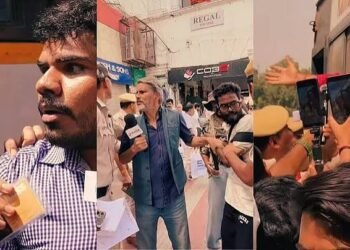
The police action has triggered widespread outrage after scores of students alleged that they were subjected to a brutal lathi-charge while marching peacefully towards Parliament.
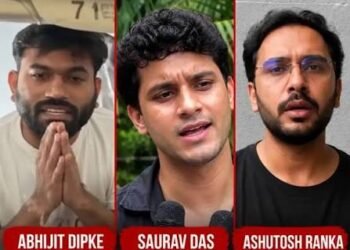
According to protesters and organisers, police personnel used heavy bamboo and fibre batons to disperse the crowd. Several students alleged they were repeatedly struck even after falling to the ground, while many sustained serious injuries to the head, back and limbs. Protesters also claimed that some batons used during the crackdown were fitted with metal studs or protruding nails, allegations that have since circulated widely on social media but have not been independently verified.
Dozens of injured students were taken to hospitals across the capital following the clashes. Several suffered fractures, deep lacerations and head injuries requiring emergency treatment. One woman student, according to protest organisers, sustained critical injuries and remains on ventilator support in hospital. Her condition has become a rallying point for demonstrators demanding accountability for the police action.
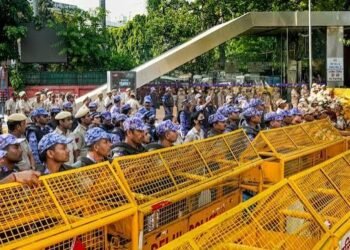
Student groups have accused the Delhi Police of using disproportionate force against peaceful protesters, alleging that officers chased students into adjoining streets, beat them indiscriminately and detained several demonstrators. The Delhi Police has maintained that force was used only after protesters attempted to breach security barricades and violate prohibitory orders in the high-security zone near Parliament.
The controversy has intensified political attacks on the Centre, with opposition parties and civil society organisations demanding an independent inquiry into the alleged police excesses alongside a transparent investigation into the NEET paper leak allegations that triggered the nationwide protests.