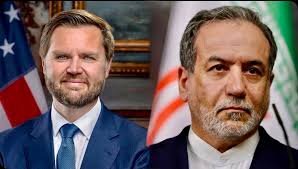
Marathon negotiations in Islamabad failed to yield a deal, with deep divisions persisting over Iran’s nuclear program and regional influence, even as a fragile ceasefire edges toward expiry.
BY PC Bureau
April 15, 2026 — US Vice President JD Vance has indicated that President Donald Trump is pursuing a comprehensive “grand bargain” with Iran, rather than a limited agreement, even as recent marathon negotiations ended without a breakthrough and a fragile ceasefire nears expiration.
Speaking at a Turning Point USA event at the University of Georgia in Athens, Georgia, Vance revealed that more than 20 hours of intense negotiations were held with Iran over the weekend in Islamabad, Pakistan. He led the US delegation during the talks, which ultimately failed to produce a deal amid deep disagreements, particularly over Iran’s nuclear program and regional role.
“He doesn’t want to make a small deal. He wants to make the grand bargain,” Vance said, outlining Trump’s approach. “That’s the trade that he’s offering.”
Vance described the core framework of the proposed agreement: “If you commit to not having a nuclear weapon, we are going to make Iran thrive. We’re going to make it economically prosperous and invite the Iranian people into the global economy in a way they haven’t experienced in decades.”
Breaking | JD Vance:
Trump says to Iran: “If you commit to not having a nuclear weapon, we are going to make Iran economically thrive.” pic.twitter.com/zQRAvhTVZJ
— Quds News Network (@QudsNen) April 14, 2026
READ: Trump Signals Fresh US-Iran Talks in Pakistan Within Days
According to Vance, Trump’s vision extends beyond curbing Iran’s nuclear ambitions or limiting its regional activities. Instead, the administration is aiming for a transformative deal that would ease long-standing sanctions and integrate Iran into global markets, potentially reshaping its economic future.
The remarks come amid heightened tensions following US and Israeli military actions against Iran earlier this year, which escalated into direct conflict before a two-week ceasefire was brokered. The Islamabad talks — involving nearly 300 US officials — marked the most significant direct engagement between the two sides in decades but ended in stalemate. In response, the United States has since moved to impose a naval blockade on the Strait of Hormuz.
Pakistan, which hosted and mediated the talks, has signaled its intent to keep diplomatic efforts alive. A senior Pakistani official said the government “will keep at it,” suggesting a second round of negotiations could take place in the coming days. Deputy Prime Minister and Foreign Minister Ishaq Dar has also urged both sides to maintain the ceasefire and continue dialogue.
Vance acknowledged the deep mistrust between Washington and Tehran but expressed cautious optimism, saying a broader agreement remains possible if Iran is willing to take substantive steps. “The ball is in Iran’s court,” he said.
With the ceasefire window narrowing, speculation is growing over whether fresh negotiations can resume in time to prevent renewed conflict. The Trump administration has kept all options on the table, including further military action, even as it continues to push for a sweeping “grand bargain” that pairs nuclear disarmament with significant economic incentives.
The situation remains fluid, with global attention fixed on whether diplomacy can prevail before the fragile truce expires.