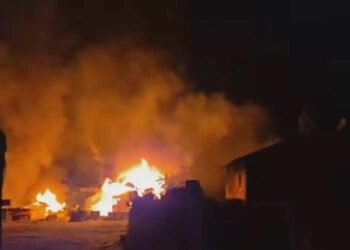
Gandhi said Bela Estate residents have lived in the area for decades and voted in recent elections, despite their homes being demolished. Election officials, however, have said many voters were classified as absent or shifted because the addresses recorded in earlier rolls no longer existed.
BY PC Bureau
NEW DELHI, September 28: Leader of Opposition Rahul Gandhi on Monday accused the Election Commission of “vote theft” after 728 of 729 voters registered at a polling part covering the Bela Estate settlement on the Yamuna floodplain were left out of Delhi’s draft electoral roll following the Special Intensive Revision (SIR).
In a post on X, Gandhi said 728 people had been living at the Bela Estate cluster and alleged that after the SIR exercise only one name remained on the draft roll. He said residents had lived in the area for decades and had voted in the 2024 Lok Sabha and 2025 Delhi Assembly elections.
Gandhi said he had visited the settlement and heard residents’ accounts. He later said he raised the issue with the Sub-Divisional Magistrate, arguing that ownership of a house should not determine a person’s eligibility to vote.
Referring to Chief Election Commissioner Gyanesh Kumar’s reported explanation that “House Number 0” can be used for homeless voters, Gandhi questioned why hundreds of Bela Estate residents had nevertheless disappeared from the draft roll.
“This isn’t SIR — this is a method of vote theft,” Gandhi wrote, alleging that the electoral revision was taking away the “only power” available to people who have the least.
The Bela Estate case has emerged as one of the starkest examples of the deletions under Delhi’s SIR. The official draft roll published on August 31 showed 728 of 729 voters missing from one polling part covering the settlement. The Delhi Chief Electoral Officer’s website separately lists voters excluded from the draft roll under the ASDD — Absentee, Shifted, Duplicate and Deceased — categories.
Residents have disputed the classification, saying they did not permanently leave the area. They have said their earlier homes were demolished and that they continued living nearby in makeshift settlements. Some residents have also said they completed and returned enumeration forms during the SIR exercise.
Election authorities have offered a different explanation. Officials have said the addresses appearing in the previous electoral rolls included structures that were subsequently demolished, and that many voters could not be found at those recorded addresses during the revision. The administration has also said the area’s earlier agricultural activity had ended and residential structures were removed in 2022-23.
यमुना किनारे बेला एस्टेट में 728 लोग रहते हैं। SIR के बाद वोटर लिस्ट में सिर्फ़ एक नाम बचा – बाकी 727 नाम काट दिए गए।
ये लोग दशकों से यहाँ रह रहे हैं। 2024 के लोकसभा चुनाव और 2025 के दिल्ली चुनावों में वोट डाल चुके हैं। 2023 में इनके घर तोड़ दिए गए थे – पर ये कहीं नहीं गए, यहीं… pic.twitter.com/27cJZjqJg6
— Rahul Gandhi (@RahulGandhi) September 28, 2026
The controversy therefore centres on a basic question: whether the affected voters were genuinely absent or shifted from their electoral addresses, as officials contend, or whether they continued to reside in the locality and were wrongly treated as having moved away, as residents allege.
The Delhi CEO has said that any eligible voter whose name is missing from the draft roll can seek inclusion by filing Form 6 along with the prescribed declaration and supporting documents during the claims and objections period, which runs until September 30. The final electoral roll is scheduled to follow the claims process.
READ: Form 6: ECI Invokes SC Order It Never Made, Faces Contempt
The Bela Estate controversy comes amid a much wider SIR exercise in Delhi. The August 31 draft roll excluded around 47.7 lakh names from an electorate of about 1.45 crore, with the excluded voters given an opportunity to seek inclusion.
Gandhi’s intervention has now brought the Bela Estate case into the centre of the political confrontation over the revision. His allegation of “vote theft” is a political charge; the underlying dispute over the eligibility and ordinary residence of the affected voters remains subject to the claims-and-objections process and the Election Commission’s final determination.