Days after the Centre accepted key demands following nationwide student protests over paper leaks, the government has entrusted Aadhaar architect Nandan Nilekani with leading a comprehensive review of the examination ecosystem, including the National Testing Agency (NTA).
BY PC Bureau
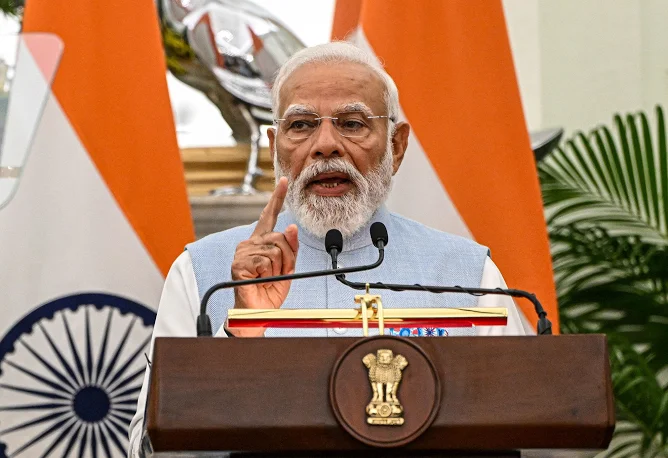
New Delhi, July 26: Prime Minister Narendra Modi on Sunday announced the constitution of a high-powered task force on examination reforms, to be headed by Infosys co-founder and technology pioneer Nandan Nilekani, in a major move aimed at restoring public confidence in India’s examination system following months of controversy over paper leaks and alleged irregularities.
In a video message shared on X and Instagram, Modi said the panel would recommend comprehensive reforms to make examinations more transparent, secure, accountable and student-friendly. The announcement comes a day after the Centre accepted several demands raised during the 37-day Cockroach Janta Party (CJP) agitation, including the resignation of Union Education Minister Dharmendra Pradhan, who stepped down amid mounting pressure over the NEET-UG paper leak controversy.
HIGH POWERED TASK FORCE on examination reforms under the leadership of Shri Nandan Nilekani constituted.@NandanNilekani pic.twitter.com/mMpmPdIEL5
— Narendra Modi (@narendramodi) July 26, 2026
Nilekani, best known for co-founding Infosys and spearheading India’s Aadhaar project as well as helping shape the country’s digital public infrastructure, is expected to bring his expertise in large-scale technology-driven governance to the examination ecosystem. The task force is likely to examine every stage of the process—from question paper preparation and secure distribution to conduct of examinations, evaluation, use of technology and safeguards against malpractice. The panel is also expected to recommend structural reforms to strengthen the National Testing Agency (NTA) and other examination bodies.
READ: The State of TV News: Falling Revenues, the ‘Godi Media’ Tag and Crisis of Trust (Part 1)
READ: In Delhi, PM Calls Student Protesters ‘Friends’; In Patna, BJP Chief Calls Them ‘Viruses’
The government’s decision follows widespread protests by students across the country over repeated allegations of paper leaks and irregularities in high-stakes examinations, particularly NEET-UG 2026. Over the past few weeks, the Centre had already announced plans for fast-track courts to try those involved in examination fraud, stricter anti-cheating measures and tougher penalties against organised paper leak rackets. By entrusting the reform process to Nilekani, the government is signalling its intent to combine technological innovation with institutional reforms to rebuild trust in a system that determines the future of millions of students.