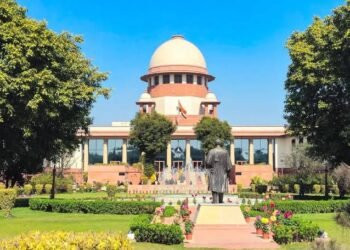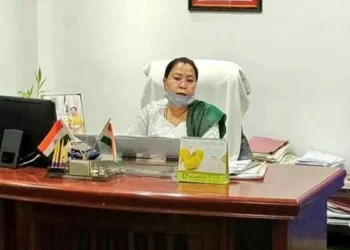
The Kuki Women Organisation for Human Rights has moved the Supreme Court seeking the immediate lifting of an economic blockade on Kuki-Zo areas in Manipur, calling it a violation of fundamental rights and a humanitarian emergency.
BY PC Bureau
New Delhi. July 29, 2026: : The Kuki Women Organisation for Human Rights (KWOHR) has approached the Supreme Court seeking urgent intervention to end an economic blockade imposed on Kuki-Zo inhabited areas of Manipur’s Kangpokpi district, arguing that the prolonged restrictions amount to collective punishment and have triggered a humanitarian crisis.
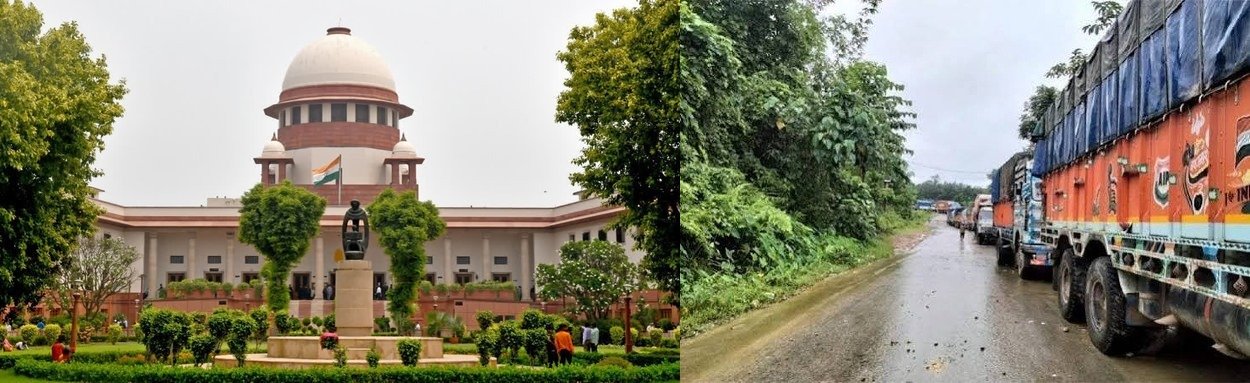
The organisation has filed a writ petition under Article 32 of the Constitution, asking the apex court to direct authorities to restore the free movement of essential commodities into the affected areas. In a press release issued on July 28, KWOHR said the blockade, allegedly enforced by Manipur Naga civil society organisations since around May 17, has severely disrupted supplies of food, fuel and medicines to Kuki-Zo villages.
“The blockade has completely choked access to essential commodities,” the organisation said, accusing the state government of failing to act against what it described as an organised and unlawful campaign. It added that the petition is expected to come up for hearing shortly and expressed hope that the Supreme Court would intervene to safeguard the fundamental rights of affected civilians.
Blockade Rooted in Fresh Ethnic Violence
The legal challenge comes amid renewed tensions between Naga and Kuki-Zo communities, adding another layer to Manipur’s long-running ethnic conflict.
The immediate trigger for the blockade was a series of violent incidents in May 2026. On May 13, suspected armed assailants ambushed a group of Kuki-Zo church leaders, including Thadou Baptist pastors, in Kangpokpi district, killing three and injuring several others as they returned from a peace-related programme.
The attack set off retaliatory abductions involving members of both the Kuki-Zo and Naga communities. Although many hostages were released through phased exchanges, tensions escalated after the mutilated bodies of six Naga men were recovered on June 10.
In response, several Naga civil society organisations intensified an economic blockade of Kuki-Zo dominated areas, demanding justice for the killings. The blockade has affected key transport routes, including National Highway-2 connecting Imphal with Dimapur, while Kuki groups later organised counter-blockades on NH-202.
Humanitarian Impact
Residents of the affected hill districts report acute shortages of essential commodities. Prices of basic necessities have risen sharply, with reports suggesting that bags of rice have sold for as much as ₹4,000 and LPG cylinders for nearly ₹6,000 in some locations.
Kuki organisations allege that even relief consignments escorted by security forces have been intercepted or destroyed and accuse the authorities of remaining passive despite repeated appeals. Naga groups, however, maintain that the blockade is a form of protest aimed at securing accountability for the killings of Naga civilians.
Part of a Wider Crisis
The latest confrontation unfolds against the backdrop of Manipur’s ethnic violence that began in May 2023 between the valley-based Meitei community and the hill-based Kuki-Zo tribes.
The conflict was triggered after the Manipur High Court observed that the state government should consider recommending Scheduled Tribe status for the Meitei community, a move later stayed by the Supreme Court. Kuki-Zo organisations argued that such recognition would threaten their constitutional protections over land and reservation benefits.
Since then, the violence has claimed more than 250 lives, displaced over 60,000 people and destroyed thousands of homes and places of worship. Security forces have established buffer zones separating the warring communities, but mistrust remains deep despite central intervention and periods of President’s Rule.
The resurgence of Naga-Kuki tensions in 2026 has further complicated the security situation, with competing territorial claims, fresh blockades and sporadic clashes adding to the state’s instability.
READ: Rahul Gandhi’s ‘Andhbhakt’ Remark Triggers Storm in LS
Supreme Court Intervention Sought
KWOHR has argued that the blockade violates the fundamental rights of civilians by denying them access to food, healthcare and other essential services. By invoking Article 32, the organisation has directly sought the Supreme Court’s protection of constitutional rights.
While the petition awaits hearing, the situation on the ground remains tense. Counter-blockades continue in parts of the hill districts, educational institutions remain shut in several villages, and humanitarian agencies warn that prolonged disruption of supplies could deepen the crisis.
Observers say that even if the Supreme Court orders immediate restoration of supply routes, a lasting resolution will require political dialogue, accountability for violence, improved security and confidence-building measures between the state’s ethnic communities.
KWOHR said its legal intervention reflects the growing desperation of civilians—particularly women and vulnerable families—who continue to bear the brunt of Manipur’s prolonged ethnic conflict while seeking peaceful and constitutional remedies.