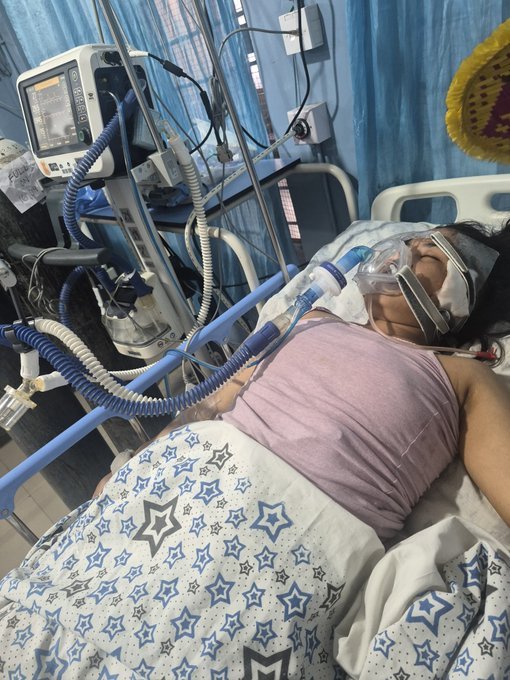
Critically wounded and unable to be reached by ambulance, Neiesther was carried roughly 20 km over difficult hill terrain before being moved to Churachandpur for treatment.
BY PC Bureau
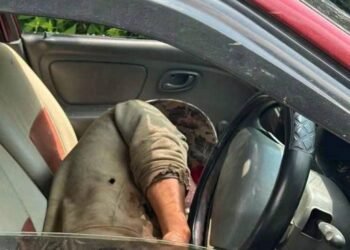
September 20: A Kuki woman, Miss Neiesther Luongpi, also known as Neiesther Gangte, has died from bullet injuries sustained in the September 13 attack at Longpi in Noney district, adding another death to the growing toll of violence affecting Kuki-Zo settlements in Manipur.
Neiesther, who suffered a gunshot wound near her chest, died while undergoing treatment through the Tele-ICU at District Hospital, Churachandpur.
On the afternoon of September 13, three people from Longpi village travelled out to purchase rice and other household essentials. Two of them never returned.
Julie Singson, who was pregnant, and Roel Gangte were shot dead, while Neiesther was critically wounded.
Kuki village bodies have blamed the attack on the NSCN (IM). Police, however, have described the attackers as unidentified armed men, and no group has publicly claimed responsibility.
The circumstances surrounding Neiesther’s evacuation have also raised serious questions about access to emergency healthcare in conflict-affected and remote areas.
Our beloved niece, Daugher, Sister Miss Neiesther Longpi, who sustained severe injuries from an attack by the NSCN (IM) and was undergoing treatment in the Tele-ICU at District Hospital, Churachandpur, has passed away.
We deeply mourn her loss.@RahulGandhi @rashtrapatibhvn pic.twitter.com/E0I4K1ffsh— KUKI HILLS (@Nampi_Romeokuki) September 20, 2026
Longpi has only a primary health centre, which villagers say lacks the facilities required to treat serious trauma. With no usable road available for an ambulance, Neiesther was placed on a makeshift palanquin and carried for roughly 20 kilometres through difficult hill terrain, mud and steep slopes to Phaijang, the nearest point from where she could be moved for advanced medical treatment.
She was subsequently shifted to District Hospital, Churachandpur, but slipped into a coma the following day.
Her death has highlighted the stark gap between administrative maps and the realities faced by civilians living in remote conflict zones.
READ: Three Years, 3,020 Cases, Just 33 Trials: The Long Wait for Justice in Manipur
CoTU spokesperson Ng Lun Kipgen questioned why central security forces deployed to protect vulnerable Kuki-Zo villages were not present and why an airlift was not arranged for a critically injured civilian in terrain inaccessible to vehicles.
The Longpi attack occurred on September 13, Sahnit Ni, observed by the Kuki community as Black Day. Hours earlier, another Kuki family had come under attack at L. Tollen in Tamenglong district, where a mother and father were killed and their young son was wounded.
Neiesther survived the initial attack but could not survive the injuries.
Her death leaves a painful question beyond the identity of those who fired the shots: why did a critically wounded civilian have to be carried for hours over mountain paths before reaching lifesaving medical care?
In Longpi, the bullets caused the wounds. The absence of accessible emergency care turned the journey to treatment into another fight for survival.