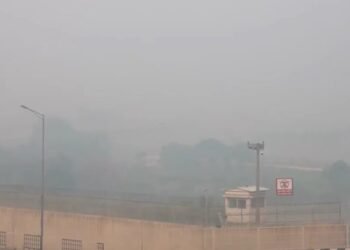


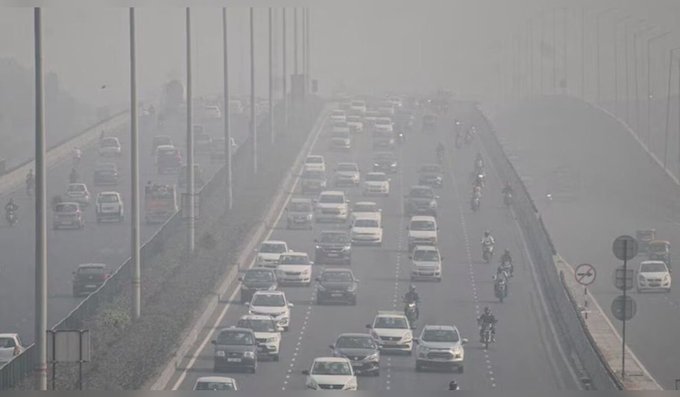
Children, senior citizens and people with respiratory or cardiac conditions in Delhi are particularly at risk. Wearing N95 masks, avoiding outdoor exercise and using HEPA air purifiers can help reduce exposure to hazardous pollutants.
By PC Bureau
New Delhi: Post-Diwali air pollution in Delhi has raised serious health concerns, with several monitoring stations recording readings in the severe category and independent platforms reporting pollution levels above 1,000. Doctors and public health experts warn that prolonged exposure to such toxic air can affect not only people with existing respiratory and heart conditions but also otherwise healthy individuals.
The situation has triggered a political controversy. Delhi Aam Aadmi Party President Saurabh Bharadwaj has claimed that Delhi’s Air Quality Index (AQI) touched 3,000 after Diwali fireworks. While that figure has not been independently verified, readings above 1,000 were reported by some independent monitoring platforms. These figures are not directly comparable with the Central Pollution Control Board’s AQI scale, which ranges from zero to 500.
The CPCB’s citywide average was reported at around 370 on Monday morning, while several monitoring stations in Delhi recorded levels above 400, placing them in the severe category. The distinction between the city average and individual monitoring stations is important, but neither provides much reassurance to residents exposed to polluted air.
🧵 Delhi’s AQI crosses 2000 after Diwali.
The air may look hazy, but the particles we can’t see may be even more concerning.
Poor air quality can irritate your eyes, throat, and lungs—and people with existing health conditions may be especially vulnerable.
Here’s how to protect yourself.👇
— Illness to wellness (@itwsays) November 9, 2026
What polluted air does to the body
The immediate danger comes largely from fine particulate matter, particularly PM2.5. These particles are small enough to penetrate deep into the lungs and, in some cases, enter the bloodstream. They can trigger inflammation and aggravate existing respiratory and cardiovascular conditions.
Short-term exposure can cause burning or watering eyes, irritation in the throat, coughing, sneezing, headaches, dizziness, wheezing and breathlessness. People with asthma, bronchitis and other lung conditions may experience a worsening of symptoms. Even those without a diagnosed illness can develop respiratory discomfort after spending time outdoors in heavily polluted areas.
For people in Delhi, the risks extend beyond the lungs. Fine particles can place additional strain on the heart and circulatory system. Exposure may aggravate hypertension and increase the risk of cardiac complications, including heart attacks and strokes, particularly among people with pre-existing cardiovascular disease.
Children, older people, pregnant women and those with asthma, chronic obstructive pulmonary disease, heart disease or other long-term illnesses are especially vulnerable. Children face an additional concern because their lungs are still developing and they breathe more air relative to their body weight than adults.
Repeated or prolonged exposure can contribute to reduced lung function, chronic respiratory illness and cardiovascular disease. The effects may not always be immediately visible, making it important not to dismiss pollution-related symptoms as a temporary inconvenience.
READ: Diwali Fireworks Turns Delhi into a Gas Chamber, AQI Hits Severe Level
Precautions Delhi residents should take
With pollution levels remaining high, residents should reduce their exposure as far as possible. The following precautions can help:
1. Avoid unnecessary outdoor activity: Stay indoors as much as possible when pollution levels are severe. Avoid morning walks, jogging, cycling and outdoor exercise. Physical exertion increases the amount of polluted air inhaled.
2. Wear a well-fitted N95 mask: If going outdoors is unavoidable, use a properly fitted N95 mask. Cloth masks and ordinary surgical masks do not provide equivalent protection against fine particulate matter.
3. Keep windows and doors closed: During periods of heavy pollution, keep windows and doors shut, particularly when outdoor air is visibly hazy or pollution readings are high. Ventilate the home when outdoor air quality improves.
4. Use an air purifier where possible: A purifier with a HEPA filter can help reduce indoor particulate pollution. Ensure that the device is appropriate for the room size and that filters are maintained. Avoid ozone-generating air-cleaning devices, which can cause additional respiratory irritation.
5. Protect children and older people: Keep children indoors and suspend outdoor sports, physical education and other strenuous activities. Older people and those with existing health conditions should take particular care to avoid exposure.
6. Follow prescribed medication: People with asthma, COPD and heart disease should keep their prescribed medicines readily available and follow their doctors’ advice. Those using inhalers should not discontinue or alter treatment on their own.
7. Do not ignore symptoms: Persistent coughing, wheezing, chest tightness, breathlessness, palpitations or unusual fatigue warrant medical attention. Severe breathlessness, chest pain, fainting or sudden weakness require urgent medical care.
8. Avoid adding to indoor pollution: Do not smoke or burn incense, candles or other materials unnecessarily. Avoid activities that generate smoke or dust indoors.
When should people seek medical help?
People with asthma or chronic lung disease should watch for increased coughing, wheezing, difficulty breathing or a greater need for rescue medication. Those with heart conditions should be alert to chest discomfort, unusual breathlessness, palpitations or sudden weakness.
Children who develop persistent coughing, rapid breathing or difficulty in breathing should be assessed by a doctor. Parents should not assume that such symptoms are merely seasonal allergies or the after-effects of fireworks.
People experiencing severe breathing difficulty or chest pain should seek emergency medical assistance rather than waiting for pollution levels to improve.
A public health concern beyond Diwali
Firecrackers have contributed to the post-Diwali pollution spike, but they are not the only source of Delhi’s toxic air. Vehicular emissions, industrial pollution, construction dust, waste burning and crop-residue burning also contribute. Weather conditions that prevent pollutants from dispersing can make the situation worse.
The immediate priority is to limit exposure, particularly among vulnerable groups. But repeated post-Diwali pollution spikes also underline the need for sustained action throughout the year. Emergency restrictions and public advisories can help, but they cannot substitute for effective control of the sources of pollution.
For Delhi residents, the message is straightforward: do not treat severe air pollution as merely a bad-smelling or hazy day. The damage may not be immediately apparent, but every effort to reduce exposure matters.