



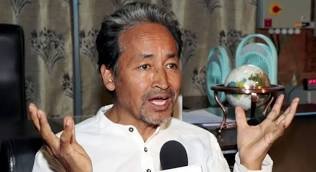
Ladakh’s hospitality industry has accused climate activist Sonam Wangchuk of double standards, alleging that while he campaigns for restrictions on liquor sales, an apple wine brand is being produced and marketed at a resort reportedly run by his brother in his ancestral villag
November 1, 2026
Climate activist and Leh Apex Body leader Sonam Wangchuk has come under fire from Ladakh’s hospitality industry, with the All Ladakh Hotels and Bars Association (ALHBA) accusing him of double standards over his campaign for a dry Ladakh. The association has alleged that an unlicensed homemade apple wine brand, marketed as ‘Uley’ or ‘Ule Topo’, is being manufactured and sold at Uley Ethnic Resort in his ancestral village of Uleytokpo, reportedly owned and operated by his brother.
The allegations have opened a new front in the ongoing confrontation over liquor policy in the Union Territory. While Wangchuk has been demanding restrictions on liquor sales and questioning the administration’s approach to alcohol availability, the association claims that a family-linked establishment is engaged in the production and sale of an alcoholic beverage without the requisite licences.
Addressing a press conference in Leh attended by all 60 members of the association, ALHBA president Namgyal Punchok accused Wangchuk of targeting licensed liquor businesses while allegedly overlooking the operations at Uley Ethnic Resort, located in Uleytokpo, along the Indus River.
Punchok alleged that Wangchuk had used women’s groups as a ‘shield’ to campaign against legitimate, tax-paying liquor businesses, even as an unlicensed homemade wine brand continued to operate in his ancestral village. The association demanded that the same standards and restrictions being advocated for licensed businesses should also apply to any family-linked commercial operation.
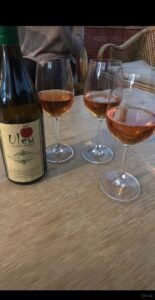
The political debate gathered momentum on October 28, when Wangchuk reportedly joined women’s groups campaigning for a dry Ladakh. On the same day, he also floated the idea of tax-exempt local breweries, adding another dimension to the debate over the regulation of traditional and locally produced alcoholic beverages.
Women’s organisations subsequently decided to temporarily suspend their planned street protests after the administration sought additional time to work out a mutually acceptable framework. Discussions reportedly included the broader demand to declare Ladakh a dry Union Territory.
The ALHBA’s intervention has now brought the licensed hospitality sector directly into the debate. The association argues that any move towards prohibition or tighter restrictions must be applied uniformly and should not selectively burden registered businesses while leaving alleged unlicensed operations untouched.
Its allegations have also shifted attention towards Uleytokpo and the reported family connection to the ‘Uley’ apple wine brand.
Wangchuk and his family had not issued an immediate response to the specific allegations at the time of writing. The administration’s earlier statements, meanwhile, have focused on defending its excise policy and rebutting claims about the expansion of liquor outlets, rather than addressing the allegations concerning the wine brand.
The controversy now raises two distinct questions: whether the alleged production and sale of ‘Uley’ comply with Ladakh’s licensing requirements, and whether the region should move towards a broader prohibition on alcohol.
For the hospitality industry, the demand is for equal enforcement of existing regulations. For Wangchuk and the women’s groups campaigning for prohibition, the larger issue remains the social and cultural impact of alcohol consumption in Ladakh.
The competing positions have turned what began as a debate over excise policy into a wider confrontation over consistency, accountability and the future of alcohol regulation in the Union Territory.




Comments 1