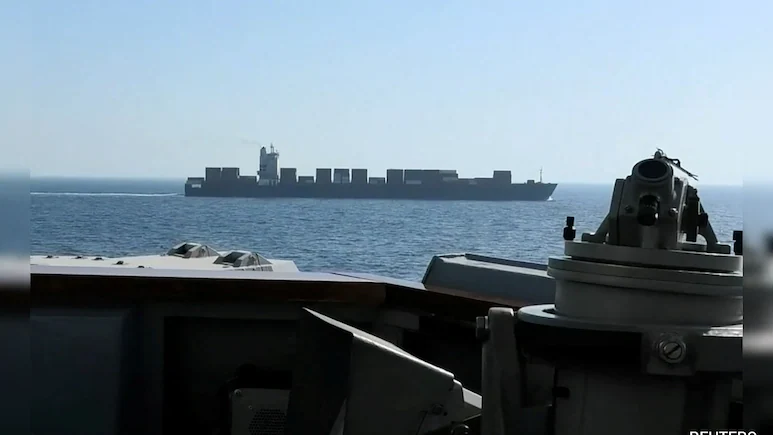
Iran’s Vice President Esmail Saghab Esfahani said Tehran would retaliate disproportionately if its oil facilities are hit, invoking the strategic importance of the Strait of Hormuz.
BY PC Bureau
April 27, 2026: Tehran has issued a firm warning to neighbouring Gulf countries, cautioning them against siding with Washington as uncertainty persists over a possible second round of nuclear talks. Vice President Esmail Saghab Esfahani said Iran would retaliate with “four times” the force if its infrastructure—especially oil facilities—is targeted, amid heightened tensions around the Strait of Hormuz.
In a post on X, Esfahani warned that any damage to Iran’s oil assets would trigger a disproportionate response against countries supporting the attacker. “We have a different way of doing math—one oil well equals four,” he said, signalling the scale of retaliation Tehran is prepared to carry out.
The warning follows remarks by U.S. President Donald Trump, who argued that sustained economic and logistical pressure could severely restrict Iran’s ability to transport and export oil. Posting on Truth Social, Trump claimed Iran is already under significant financial strain, losing hundreds of millions of dollars daily, and urged that pressure be maintained.
READ: Delhi Cop Shoots Dead Delivery Agent, Injures Another
ما به هر اقدام جنگی پاسخ میدهیم. اگر آنطور که ترامپ ادعا کرده هر بخشی از زیرساختهای ما از جمله چاههای نفت در نتیجه محاصره آسیب ببیند، تضمین میکنیم که چهار برابر آن به همان زیرساخت در کشورهایی که از متجاوز حمایت میکنند خسارت وارد خواهد شد.
ریاضی ما متفاوت است:
۱چاه نفت=۴چاه نفت pic.twitter.com/HvEVANC63o— اسماعیل سقاب اصفهانی (@saghabesfahani) April 26, 2026
In a subsequent interview with Fox News, Trump said continued constraints could push Iran’s oil infrastructure to a breaking point within days, underscoring the central role of energy exports in Washington’s strategy.
Separately, Iran’s Parliament Speaker Mohammad Bagher Ghalibaf highlighted Tehran’s strategic leverage, stating that Iran holds key “supply cards” capable of disrupting global oil flows—not only via the Strait of Hormuz but also through the Bab el-Mandeb and regional pipelines.
Ghalibaf contrasted this with the U.S. approach of releasing strategic reserves and allowing higher prices to curb demand. He warned that any prolonged disruption—especially during the peak summer consumption season—could send fuel prices soaring in the United States, with potential political consequences ahead of elections.