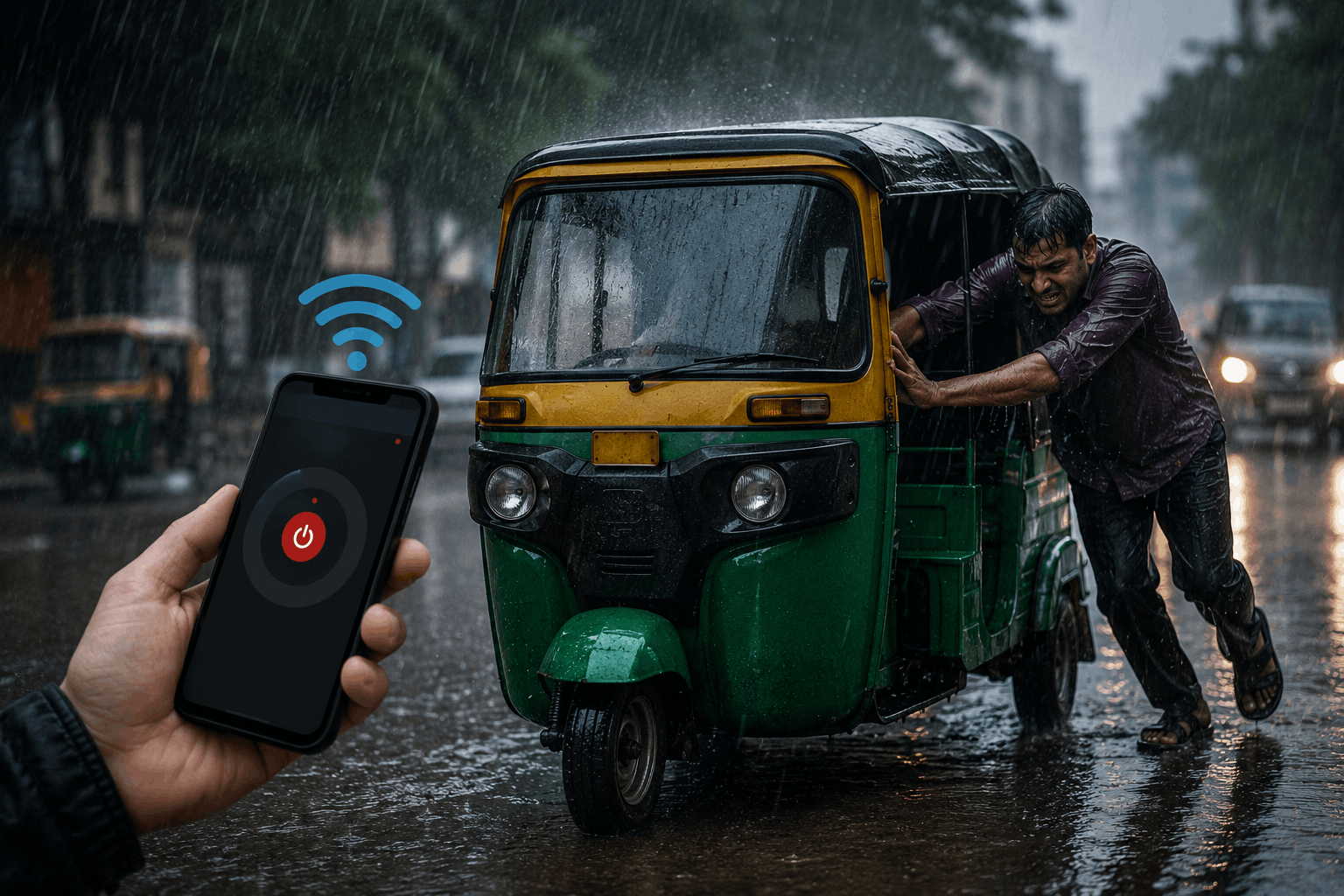
The widespread misuse of the Chinese mobile application BAT-BMS has placed it under intense scrutiny.
It remotely switch off e-rickshaws and other electric vehicles on Indian roads. Developers originally designed BAT-BMS as a battery management tool, but users have turned it into the center of a growing controversy.
prank videos have caused real financial losses for drivers.
Following widespread misuse, the Indian government has directed Google and Apple to remove the BAT-BMS application.
What Is the BAT-BMS App?
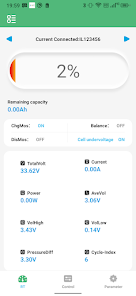
BAT-BMS is a battery management application designed to connect with compatible lithium battery management systems (BMS) via Bluetooth. The app allows users to monitor battery performance.
In some cases it can remotely switch the battery on or off for maintenance purposes.
However, security experts have pointed out that many low-cost lithium batteries used in e-rickshaws are shipped without password protection or authentication. This allows anyone with the BAT-BMS app and Bluetooth access within range to connect to the battery and control it without the owner’s permission.
In reported cases, the Bluetooth connection works only when the user is within a relatively short distance of the vehicle.
Users Are Misusing The App
The app has become popular among pranksters and content creators who are using it to remotely disable e-rickshaws while they are on the road.
Videos circulating on social media platforms show users switching off moving e-rickshaws and recording the reactions of unsuspecting drivers. The trend, often referred to online as the “Tirri Prank,” has drawn widespread criticism for causing inconvenience and financial hardship.
Viral Videos Trigger Public Outrage
Several videos have gone viral across social media platforms.
One widely shared clip shows an e-rickshaw driver breaking down in tears after his rented vehicle suddenly stopped working, leaving him stranded and costing him an entire day’s earnings.
Another video on X( Formerly Twitter ) shows someone allegedly using the BAT-BMS app to disconnect an e-rickshaw’s battery, forcing the driver to push the vehicle through heavy rain.
An Instagram reel that has received significant attention shows a content creator repeatedly switching off passing e-rickshaws. The video’s caption described the prank as “the only remedy” for dealing with e-rickshaws, sparking a debate over whether online content should come at the expense of someone else’s livelihood.
Why Was BAT-BMS Banned?
The Indian government acted after reports of widespread misuse of the application. Authorities instructed both Google and Apple to remove BAT-BMS from their app stores to prevent further abuse.
The primary reasons behind the action include:
- Remote disabling of vehicles: Users exploited the app to switch off e-rickshaw batteries without the driver’s knowledge.
- Weak battery security: Many affordable battery management systems lacked password protection, making unauthorized access possible.
- Public safety concerns: Disabling an electric vehicle while it is in operation could potentially lead to accidents or leave passengers stranded.
- Financial losses: Drivers who depend on daily earnings lost their income after pranksters remotely disabled their vehicles.
Public Demands Immediate Action
The incident has triggered widespread outrage among e-rickshaw drivers, commuters, and social media users. Local leaders and public representatives have called for stricter regulation of battery management applications and improved cybersecurity standards for electric vehicle batteries.
Many have also urged battery manufacturers to implement mandatory authentication features to prevent unauthorized access in the future.
A Growing Cybersecurity Concern
The BAT-BMS controversy highlights an often-overlooked cybersecurity issue in the rapidly expanding electric vehicle sector. Manufacturers design battery management apps to simplify maintenance and diagnostics, but inadequate security measures leave vehicles vulnerable to misuse.
As India continues to witness rapid adoption of electric mobility, experts believe manufacturers must prioritize secure battery management systems with password protection, encryption, and user authentication to prevent similar incidents from occurring again.
BY- RISHI GUPTA