Balaghat’s tribal deaths expose a disturbing reality: for India’s most vulnerable children, access to healthcare can still decide who lives and who dies.
BY Navin Upadhyay
September 9, 2026: The deaths of 30 tribal children in Madhya Pradesh’s Balaghat district have exposed a grim reality: for India’s most vulnerable communities, basic healthcare can still be a matter of geography, poverty and luck.
Thirty children are dead. And the country is still debating the number.
That, perhaps, is the most disturbing feature of the tragedy unfolding in the tribal belt of Balaghat, Madhya Pradesh. In villages inhabited largely by the Baiga, a Particularly Vulnerable Tribal Group, children have been falling ill and dying since June. The reported toll reached 30 after the death of a 10-year-old Baiga child, even as government figures and community claims have differed during the course of the crisis.
The question is no longer merely what killed these children. It is why they were allowed to become so vulnerable to diseases that are routinely preventable, treatable or manageable when medical care reaches patients in time.
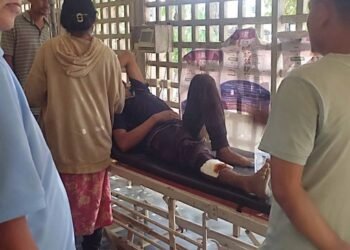
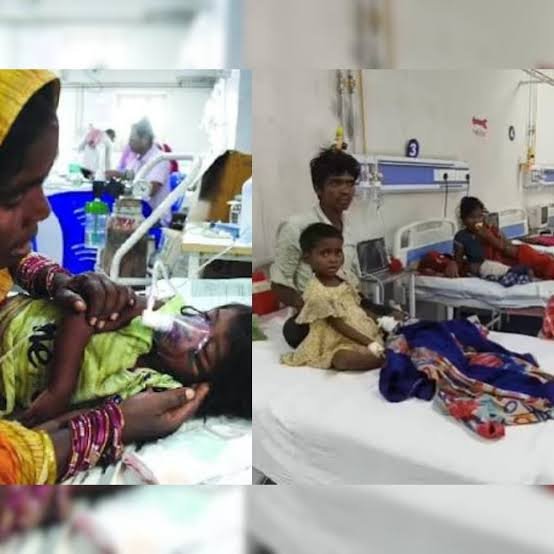
The Centre’s investigation has so far pointed to multiple clinical factors rather than a single pathogen. Measles, malaria, co-infections, respiratory distress, dehydration, malnutrition, anaemia and shock have all been found among the reported cases. More than 400 children have been admitted to health facilities, while thousands of people have been screened and surveillance has been expanded across dozens of villages.
BALAGHAT’S TRIBAL CHILD CRISIS
Baiga & Gond children are reportedly dying amid malaria, measles and malnutrition in MP’s Balaghat.
Official toll: 8–10.
Villagers & Opposition: 25–29.CM Mohan Yadav visited and announced ₹2 lakh compensation.
The bigger question: why are… pic.twitter.com/H79KI1ZSCJ
— VishwaGuru_Ghantal (@Vishwaguru2026) September 3, 2026
READ: Former Delhi Chief Secy Rakesh Mehta Dies by Suicide at Home
That explanation, however, cannot become an excuse.
A child does not die of malnutrition, dehydration or an untreated infection in isolation. Such deaths often represent the final point in a chain of failures — inadequate nutrition, unsafe or inadequate drinking water, poor sanitation, insufficient vaccination coverage, difficult access to healthcare, delayed diagnosis and the absence of timely emergency treatment.
And this is precisely where the Balaghat tragedy becomes bigger than Balaghat.
India has some of the most ambitious laws, schemes and constitutional safeguards for tribal communities. There are dedicated tribal welfare programmes, nutrition interventions, rural health infrastructure and special provisions for Particularly Vulnerable Tribal Groups. On paper, the state recognises that communities such as the Baiga require special protection.
But the distance between policy and the last tribal habitation can be measured not in kilometres but in lives.
Reports from the affected region describe remote villages where reaching a health facility itself can be difficult. Earlier reporting found that some villages could require long walks over difficult terrain to reach the nearest accessible road or medical facility. Local accounts also pointed to delays in seeking institutional treatment, while faith-healing practices sometimes became the first response to illness.
It would be convenient — and deeply unfair — to blame tribal customs for the deaths.
When a family has limited access to doctors, transportation, clean water, nutrition and reliable public health information, its choices are shaped by circumstances. Blaming the victim’s culture risks allowing the public system to escape scrutiny.
The more uncomfortable question is: where was the state before the children reached hospital beds?
The response has intensified after the deaths became impossible to ignore. A National Joint Outbreak Response Team was deployed in August, health surveillance was expanded and medical teams were sent into the affected areas. The National Commission for Scheduled Tribes also began investigating the deaths and inspecting health centres, anganwadi facilities and hostels in the affected villages.
Chief Minister Mohan Yadav also visited the tribal region and announced financial assistance of ₹2 lakh for affected families.
But compensation after a child’s death is not healthcare. A cheque cannot substitute for a doctor who arrived in time.
The tragedy also raises questions about the visibility of tribal suffering in India’s political and media discourse. Had 30 children from an affluent urban neighbourhood died over a period of weeks from a combination of infections, malnutrition and delayed treatment, the questions would have been relentless. Television studios would have demanded accountability. Officials would have faced intense scrutiny.
In remote tribal villages, however, suffering can remain invisible until the numbers become impossible to dismiss.
That is the real scandal.
India cannot aspire to be a developed economy while treating the survival of its poorest children as a welfare statistic. The test of a state is not how quickly it responds after a crisis becomes a national controversy. The test is whether its institutions are present before the crisis begins.
The Balaghat deaths demand more than a political blame game between the government and the Opposition. They require an independent medical and administrative investigation that establishes, child by child, what happened: when each child fell ill, when the family sought help, what treatment was provided, how long it took to reach a health facility, whether medicines and personnel were available, and whether malnutrition or lack of basic services contributed to the outcome.
Accountability must follow evidence.
But accountability must also go beyond individual negligence. If a pattern of preventable deaths emerges, the responsibility cannot end with transferring or removing a health official. The entire delivery system — from village-level health workers and anganwadi centres to primary health centres, district hospitals and tribal welfare departments — must come under scrutiny.
Because the question posed by Balaghat is brutally simple.
Who cares for tribal lives in India?
The Constitution promises equality. Government programmes promise protection. Budgets promise welfare. Politicians promise development.
But for a tribal mother watching her sick child struggle for breath in a remote village, none of those promises matters unless a trained health worker reaches her, clean water is available, the child has been adequately nourished and vaccinated, and a hospital capable of saving a life is within reach.
Thirty children should not have to die before India remembers that they are citizens too.