Rubio’s remarks were viewed by many as insensitive, with critics arguing that the focus on safeguarding maritime trade appeared to overshadow concerns over the loss of Indian lives.
BY PC Bureau
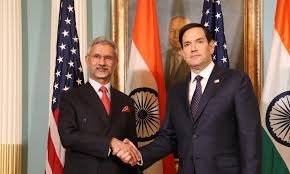
New Delhi, June 13: A day after India strongly protested the deaths of three Indian seafarers in a US naval strike near the Strait of Hormuz, US Secretary of State Marco Rubio conveyed to External Affairs Minister S. Jaishankar that Washington would not tolerate any violations of the US-imposed blockade in the strategic waterway.
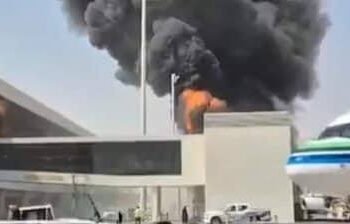
The remarks came during a telephonic conversation between the two leaders on June 12, following the attack on the Palau-flagged oil tanker MT Settebello off the coast of Oman. The vessel, which was carrying 24 Indian crew members, came under fire during a US naval operation targeting suspected sanctions violators in the Gulf region. Three Indian sailors were killed in the strike, while the remaining 21 crew members were rescued.
The incident has triggered outrage in India and cast a shadow over otherwise close ties between New Delhi and Washington, with Indian officials questioning the use of lethal force against a civilian commercial vessel employing Indian nationals.
US refuses to heed to India’s concerns on the death of 3 Indian sailors following attacks on Indian-crewed vessels.
Rubio tells Jaishankar that all vessels should comply with orders from US forces & the violation of US blockade won’t be tolerated — State Department https://t.co/00s0ymKGHp pic.twitter.com/d8qsUCW9h8
— Dhairya Maheshwari (@dhairyam14) June 13, 2026
In a post on X after speaking with Rubio, Jaishankar said he had conveyed India’s unequivocal displeasure over the attack and underscored that commercial shipping should never become collateral damage in geopolitical confrontations.
“Spoke to US Secretary of State Marco Rubio this evening. I reiterated India’s strong protest at the attacks by the US Navy in the Gulf that killed three Indian mariners. Such lethal actions against commercial shipping are not justified,” Jaishankar wrote.
READ: KNF Rejects Role in Manipur Violence, Blames Naga, Meitei Militants
However, the US State Department’s official readout of the conversation struck a markedly different tone.
“Secretary of State Marco Rubio spoke yesterday with Indian External Affairs Minister Subrahmanyam Jaishankar. The two officials discussed recent events in the Strait of Hormuz. The Secretary stressed that all commercial vessels should immediately comply with orders from US forces,” the statement said.
It further added that Rubio had made Washington’s position clear, stating that “violations of the U.S. blockade and the illicit transport of Iranian oil will not be tolerated.”
The remarks have drawn criticism in India, where many viewed the emphasis on enforcing the blockade as insensitive in the aftermath of the deaths of Indian sailors. Analysts noted that the contrasting public statements reflected a divergence in priorities: New Delhi focused on accountability and the protection of civilian seafarers, while Washington reiterated its determination to enforce sanctions and maintain control over one of the world’s most strategically significant maritime routes.
India responded swiftly to the incident. The Ministry of External Affairs lodged a formal protest with the United States and summoned the US Chargé d’Affaires in New Delhi to seek an explanation over the circumstances that led to the deaths of the Indian crew members.
MEA spokesperson Randhir Jaiswal said attacks on merchant vessels carrying Indian nationals were unacceptable and called for immediate steps to ensure the safety of civilian shipping.
He urged all parties involved in the regional conflict to exercise restraint and emphasised that dialogue and diplomacy remained the only sustainable path towards restoring peace and stability in the Gulf.
The episode has heightened concerns in India over the safety of thousands of Indian seafarers working aboard commercial vessels traversing conflict-prone waters in West Asia. It has also reignited debate over the legality and humanitarian consequences of military actions targeting ships suspected of sanctions violations.
With the Strait of Hormuz serving as a critical artery for global energy supplies and international trade, the deaths of the three Indian sailors have added a deeply human dimension to an increasingly volatile geopolitical confrontation, testing the balance between strategic enforcement and the protection of civilian lives at sea.