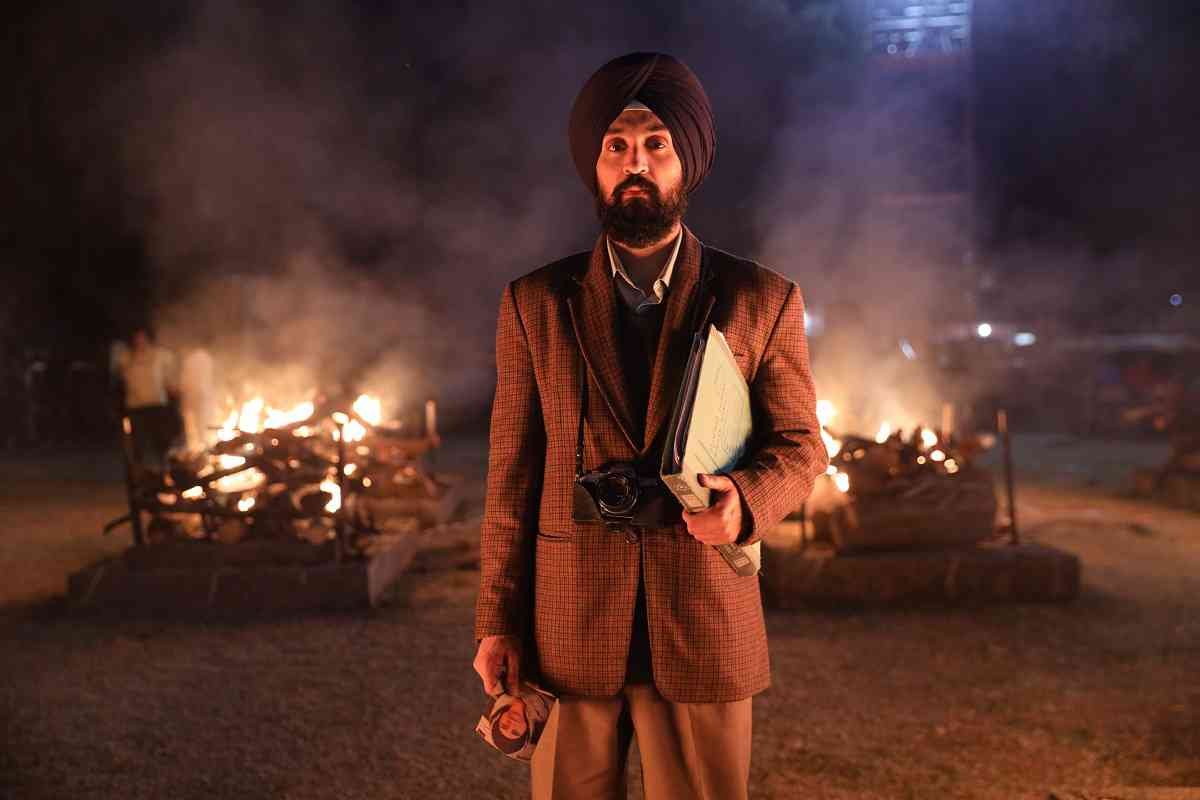
Diljit Dosanjh’s much-awaited film Satluj, based on the life of human rights activist Jaswant Singh Khalra, has been removed from ZEE5 just two days after its release in India. The streaming platform took down the film on July 5, shortly after it premiered on July 3, citing “current developments” without providing further details.
The move has reignited debate over the film’s controversial subject, its long battle with censorship, and its portrayal of one of the most sensitive chapters in Punjab’s history.
Why Was Satluj Removed From ZEE5?
In an official statement, ZEE5 said:
“In light of the current developments, Satluj will be unavailable in India until further notice. We remain committed to exploring every appropriate avenue through due process to bring the film back to our audiences at the earliest opportunity.”
As of now, the platform has not disclosed the exact reason behind the removal.
Directed by Honey Trehan and produced by Ronnie Screwvala’s RSVP Movies along with MacGuffin Pictures, Satluj stars Diljit Dosanjh in the lead role alongside Kanwaljeet Singh, Arjun Rampal, Suvinder Vicky, and Geetika Vidya Ohlyan.
Why Is Satluj Controversial?
The controversy stems from the film’s depiction of alleged human rights violations during Punjab’s insurgency in the late 1980s and early 1990s.
Originally titled Ghallughara and later renamed Punjab ’95, the film reportedly faced objections from the Central Board of Film Certification (CBFC), which is said to have recommended 127 cuts before certification.
The filmmakers challenged the decision in the Bombay High Court but later withdrew the case. The film was also removed from the 2023 Toronto International Film Festival lineup before eventually releasing on ZEE5 in 2026 under the title Satluj.
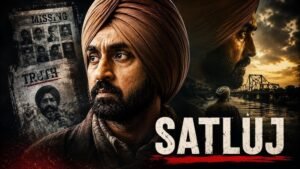
What Is Satluj About?
Satluj is a biographical drama inspired by the life of Jaswant Singh Khalra, a Punjab-based human rights activist who investigated allegations of enforced disappearances, custodial killings, and secret cremations during the state’s insurgency period.
The film follows Khalra’s efforts to uncover official records that allegedly documented thousands of unidentified cremations carried out without informing victims’ families.
Rather than focusing only on historical events, the film raises broader questions about accountability, justice, and human rights during periods of conflict.
Who Was Jaswant Singh Khalra?
Jaswant Singh Khalra was born in 1952 in Khalra village in Punjab’s Amritsar district. Before becoming a human rights activist, he worked as a bank employee.
Following Operation Blue Star (1984), the assassination of former Prime Minister Indira Gandhi, and the 1984 anti-Sikh riots, Khalra began documenting cases in which families alleged that relatives had disappeared after being detained by Punjab Police on suspicion of militant links.
His research eventually brought national and international attention to allegations of enforced disappearances and extrajudicial killings in Punjab.
The Alleged 25,000 Secret Cremations
According to reports, Khalra examined municipal records in Amritsar and claimed they contained details of thousands of unidentified bodies allegedly cremated without the knowledge of their families.
The film references allegations involving approximately 25,000 unidentified cremations and also mentions claims related to violence against police personnel during the insurgency period.
These allegations remain central to the film’s narrative and are among the reasons it has attracted significant public and political attention.
Jaswant Singh Khalra’s Disappearance and Court Verdict
In September 1995, Jaswant Singh Khalra disappeared outside his home in Amritsar.
The Central Bureau of Investigation (CBI) later concluded that he had been abducted by Punjab Police personnel. The agency recommended prosecution against several officers.
In 2007, the Punjab and Haryana High Court upheld convictions and awarded life imprisonment to four former police personnel in connection with Khalra’s kidnapping and murder, marking a landmark judgment in the case.
Diljit Dosanjh Reacts After Film Removal
After Satluj was removed from ZEE5, Diljit Dosanjh shared a clip from the film on social media along with a message paying tribute to Jaswant Singh Khalra.
Using the hashtag #IChallengeTheDarkness, the actor wrote that the film had faced circumstances similar to those experienced by Khalra, drawing attention to the challenges surrounding the project’s release.
Political Reactions
The removal of Satluj has also triggered political reactions.
Former Rajya Sabha MP Saket Gokhale said he had written to Union Minister Ashwini Vaishnaw, urging the government to reconsider what he described as the effective banning of an important historical film.
In a post on X, Gokhale said that the country should confront difficult chapters of its history rather than avoid discussions about them.
Also Read: 12-Year-Old Girl Found Dead in Sack Near Kolkata; Four Arrested, Suspect Lynched by Mob
Why Satluj Matters
Beyond its censorship controversy, Satluj has become a focal point in discussions about freedom of expression, film certification, historical memory, and human rights in India.
Its removal from ZEE5 has further amplified public interest in Jaswant Singh Khalra’s legacy and the unresolved debates surrounding Punjab’s insurgency era.
BY JESSICA SABHARWAL