A year after the Leh violence, Wangchuk’s wife Gitanjali J. Angmo has urged people in Ladakh not to let the Ladakh Festival overshadow remembrance of those killed, injured or jailed during the unrest.
BY PC Bureau
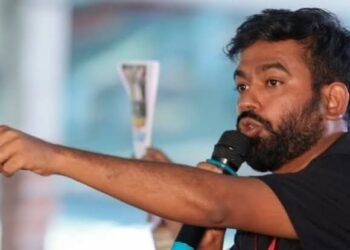
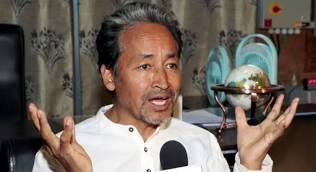
NEW DELHI/September 26: Climate activist and education reformer Sonam Wangchuk on Friday apologised to the Tibetan community after facing criticism for comparing last year’s violence in Leh with Chinese repression in Tibet.
In a post on X, Wangchuk said the comparison had upset several Tibetan friends and clarified that he had intended to compare only a specific incident in Leh with a particular aspect of the situation in Tibet, not with decades of suffering experienced by Tibetans.
“First of all I was only comparing a specific incident on a particular day and of course not with decades of sufferings that Tibetan people have gone through,” he wrote.
He added that he had “no intentions whatsoever to cause any hurt to anyone least my dear Tibetan friends” and said his purpose was only to convey the gravity of what Leh experienced on September 24 last year.
“If that has hurt anyone, I deeply apologise from the core of my heart,” Wangchuk said.
The apology followed an earlier post in which Wangchuk defended his comparison while responding to criticism over whether it was appropriate. He said he had always opposed Chinese repression in Tibet but argued that the events in Leh deserved to be understood in their own context.
“I understand the sufferings of Tibetan friends & have always opposed Chinese repression,” he wrote, adding that those who had witnessed what people in Leh experienced that day “might not disagree” with his comparison.
Wangchuk also referred to an internet shutdown that he said continued for weeks following the September 24 violence, arguing that this prevented people outside Ladakh from fully understanding what had happened.
He described the incident as the worst episode in six difficult years for the region, saying four people were killed, one person died by suicide, around 80 were injured and 75 were arrested on charges including attempted murder. He also alleged that the violence occurred without proper firing orders and was widely believed to have been stage-managed. These claims have been disputed and should be distinguished from established facts.
READ: Wangchuk Says India Worse Than China in Ladakh, Draws All-round Flaks
Wangchuk further drew a comparison with the political response in Delhi, where Parliament had been disrupted over demands for Union Home Minister Amit Shah’s resignation following the use of pellet guns and a lathi charge at Jantar Mantar. He questioned whether similar accountability was warranted over the Leh violence and shared a video showing police action against people on a hunger strike.
I see many of our Tibetan friends are disturbed by this comparison. First of all I was only comparing a specific incident on a particular day and of course not with decades of sufferings that Tibetan people have gone through. Secondly I have no intentions whatsoever to cause any…
— Sonam Wangchuk (@Wangchuk66) September 25, 2026
Separately, Wangchuk’s wife, Gitanjali J. Angmo, issued an appeal to people in Ladakh ahead of the first anniversary of the violence.
Angmo noted that September 24 to 26 mark the anniversary of last year’s violence as well as Wangchuk’s detention, which she described as illegal. She said the dates carried memories “far heavier than any festival”.
Four people were killed and many others injured during the unrest, while scores were arrested. “A year is not long enough for memory to become comfortable,” Angmo wrote.
She urged people not to allow the Ladakh Festival to overshadow remembrance of those who died, were injured or spent months behind bars. Instead, she called for the anniversary to be observed with solidarity around demands for constitutional safeguards, environmental protection, Ladakhi identity and democratic rights.
Angmo warned against allowing celebrations to “become an opium that numbs memory”.
The statements come a year after the September 24, 2025 violence in Leh, which remains a contentious episode in Ladakh’s recent political history. Wangchuk’s apology marks a shift from his earlier defence of the comparison, while his wife’s appeal keeps the focus on remembrance and Ladakh’s continuing political demands.