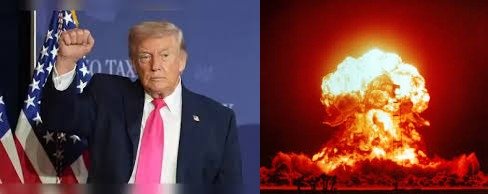
Iran’s plan to prioritize restoring shipping through the Strait of Hormuz before discussing nuclear issues has been dismissed by Washington, which insists nuclear constraints must form the core of any agreement.
BY PC Bureau
April 2026: U.S. President Donald Trump is reportedly dissatisfied with a fresh Iranian proposal aimed at easing tensions around the strategically vital Strait of Hormuz, objecting primarily to Tehran’s decision to defer negotiations over its nuclear program.
“He doesn’t love the proposal,” a U.S. official said on condition of anonymity, underscoring the administration’s unease with what it views as a flawed framework for de-escalation.
The Iranian initiative, introduced earlier this week, focuses on the immediate reopening of the Strait of Hormuz to commercial shipping, a move designed to stabilize global energy flows and ease mounting economic pressure. However, it deliberately postpones talks on Iran’s nuclear activities until after maritime tensions subside and the broader confrontation cools.
READ: Amid War Cloud, Iran Defeats India 44–31 to Win Beach Kabaddi Gold
Iranian officials have framed the proposal as a practical, phased approach—prioritizing urgent economic concerns before tackling more complex geopolitical disputes. But Washington has rejected this sequencing outright.
Senior U.S. officials insist that Iran’s nuclear ambitions remain the central issue and must be addressed at the outset of any negotiations. From the White House perspective, separating nuclear discussions from maritime security risks granting Tehran leverage without securing meaningful concessions.
High-Level Deliberations in Washington
Trump convened his top national security advisers to review the proposal, reflecting the seriousness with which the administration views the escalating standoff. The U.S. continues to regard Iran’s nuclear program as a direct threat to regional stability and global security, and officials have reiterated that any agreement must include verifiable limits on uranium enrichment and oversight mechanisms.
Global Energy Stakes Rising
The impasse has significant implications for international energy markets. The Strait of Hormuz handles nearly 20% of the world’s oil shipments, making it one of the most critical chokepoints in global trade. Even limited disruptions have already driven up shipping insurance premiums, reduced tanker traffic, and fueled volatility in oil prices.
Energy analysts warn that a prolonged standoff could tighten supply chains further, potentially triggering sustained price increases and economic ripple effects far beyond the region.
🇺🇸🇮🇷 A U.S. official told Reuters that President Trump is unhappy with the recent Iranian proposal because it did not address Iran’s nuclear program, adding, “He doesn’t love the proposal.” pic.twitter.com/kIsWkYD7LW
— RusWar (@ruswar) April 28, 2026
Backchannel Diplomacy Continues
Despite the hardening positions, diplomatic efforts have not completely collapsed. Sources indicate that intermediaries, including officials in Pakistan, are continuing quiet backchannel communications in an attempt to narrow differences and keep dialogue alive.
However, hopes for a near-term breakthrough have dimmed. Over the weekend, Trump canceled a planned visit to Islamabad by his special envoy Steve Witkoff and senior adviser Jared Kushner—a trip that had been widely viewed as a potential opportunity to advance indirect talks.
Entrenched Positions, Uncertain Path Forward
At the core of the deadlock lies a fundamental disagreement: Iran seeks immediate economic relief and freedom of navigation, while the United States demands upfront commitments on nuclear constraints and regional behavior.
With both sides holding firm to their red lines, mediators face a narrowing window to prevent further escalation. For now, the standoff remains unresolved, with the fate of one of the world’s most critical maritime corridors—and broader regional stability—hanging in the balance.