Navin Upadhyay
Imphal, May 3, 2026 — Three years after the outbreak of ethnic violence in Manipur, some of the most brutal killings of the conflict remain unresolved, with no arrests, no prosecutions, and little clarity from investigators.
Among the most disturbing cases is the killing of David Thiek, a 31-year-old Kuki-Zo man who was brutally tortured and beheaded during an armed attack on July 2, 2023. Thiek had been serving as a volunteer village guard in Langza, near the Bishnupur–Churachandpur border, when attackers reportedly stormed the area before dawn.
According to the complaint filed by his family, Thiek was captured alive and subjected to extreme torture. His right eye was gouged out, his arms were severed, and he was eventually beheaded. His body was allegedly set on fire. Images and videos that circulated widely in the aftermath appeared to show his severed head displayed on a bamboo fence—visuals that triggered outrage across the country.
An FIR was registered the same day at Churachandpur Police Station, naming unidentified armed assailants and alleging the involvement of organised groups. However, the case was later transferred to Kumbi Police Station in Bishnupur district, a move that drew sharp criticism from Kuki-Zo organisations, who questioned the neutrality of the investigation. Despite the graphic nature of the evidence and public identification of alleged suspects in social media discourse, no arrests have been made, and no official findings have been disclosed.

Another case that continues to haunt the state is the killing of Letminthang Haokip, a 26-year-old Kuki-Zo man who was burned alive in Imphal in the early days of the violence. On May 4, 2023, as tensions escalated, Haokip was reportedly dragged from his vehicle by a mob, assaulted, and set on fire in broad daylight.
His body, severely charred, was later recovered from a public area and taken to the Jawaharlal Nehru Institute of Medical Sciences morgue in Imphal East. The burns had destroyed most identifying features, and family members were forced to rely on a wristwatch and fragments of clothing to confirm his identity. Due to the breakdown of security and ethnic segregation in the state capital, his family was unable to retrieve the body for months.
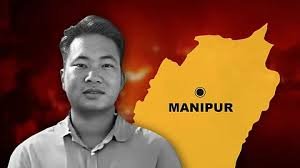
Despite the brutality of the killing and its occurrence in a public space, no suspects have been identified, and no arrests have been made. The case has come to symbolise both the scale of mob violence during the conflict and the inability—or unwillingness—of authorities to pursue accountability.
Serious concerns have also been raised over alleged extrajudicial killings in Jiribam district, where families and community organisations have accused security forces of staging “fake encounters.” In one such case, two Hmar men were reportedly detained and later killed under disputed circumstances.
According to family accounts and local testimonies, the bodies bore signs of severe torture, including gouged eyes and injuries inconsistent with a conventional armed exchange. Relatives allege that the victims had been in custody prior to their deaths, raising questions about whether they were executed rather than killed in combat.
Despite the gravity of these allegations, there has been no transparent, independent inquiry that has publicly established the facts. No security personnel have been held accountable, and official versions of events remain contested.
These cases—of David Thiek, Letminthang Haokip, and the alleged fake encounters in Jiribam—are emblematic of a wider breakdown in the rule of law during and after the Manipur conflict. Hundreds of FIRs were filed in connection with killings, sexual violence, and disappearances, yet many have seen little investigative progress.

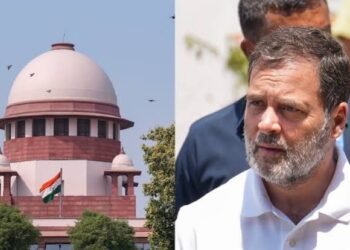
The Supreme Court of India had in 2023 described the situation as a “complete breakdown of constitutional machinery,” leading to the transfer of select cases to central agencies such as the Central Bureau of Investigation. However, families of victims say that even in high-profile cases, there has been no meaningful movement.
Similarly, not a single arrest has been made in the gang rape and murder of two young Kuki women in Imphal, raising serious questions about accountability and justice.
The crime, which took place on May 4, 2023—just a day after violence first erupted—remains a stark reminder of institutional inaction. Despite credible allegations that nearly 100 individuals were involved, investigators have yet to name a single suspect. For the victims’ families and the wider Kuki-Zo community, the prolonged silence has deepened a sense of abandonment and mistrust.
𝗠𝗮𝗻𝗶𝗽𝘂𝗿: 𝗧𝗵𝗲 𝗲𝘃𝗲𝗻𝘁𝘀 𝗼𝗳 𝟮 𝗠𝗮𝘆 𝟮𝟬𝟮𝟯 𝗱𝗶𝗱 𝗻𝗼𝘁 𝗼𝗰𝗰𝘂𝗿 𝗶𝗻 𝗶𝘀𝗼𝗹𝗮𝘁𝗶𝗼𝗻—𝘁𝗵𝗲𝘆 𝗿𝗲𝗳𝗹𝗲𝗰𝘁𝗲𝗱 𝗮 𝗽𝗮𝘁𝘁𝗲𝗿𝗻 𝗮𝗹𝗿𝗲𝗮𝗱𝘆 𝘂𝗻𝗳𝗼𝗹𝗱𝗶𝗻𝗴. 𝗧𝗵𝗲 𝘃𝗶𝗼𝗹𝗲𝗻𝗰𝗲 𝗱𝗶𝗱 𝗻𝗼𝘁 𝘀𝘂𝗱𝗱𝗲𝗻𝗹𝘆 𝗯𝗲𝗴𝗶𝗻 𝗼𝗻 𝗠𝗮𝘆 𝟯; 𝗶𝘁… pic.twitter.com/LwKJUVs68k
— 𝗞𝗶𝗺 𝗛𝗮𝗼𝗸𝗶𝗽 (@haokipkim128) May 2, 2026
The two women, aged 21 and 24, were working as caretakers at a car wash in Imphal East and lived in a rented room in Porompat’s Konung Manang locality. Originally from B. Phainom village in Kangpokpi district, they had stayed back in the valley as tensions escalated.
On the evening of May 4, a large mob allegedly stormed their residence. Eyewitnesses reported that the attackers assaulted the women for over an hour. Their mutilated bodies were later found at the scene, with visible physical evidence including hair strands and bloodstains.
Yet, despite the gravity of the crime, there has been no visible progress. No postmortem report has been shared with the families. No forensic findings have been made public. No arrests have been carried out.
The families initially filed a First Information Report (FIR) at Saikul police station in Kangpokpi. However, the case was transferred to Porompat police station in Imphal East more than a month later, a delay that has drawn criticism from community leaders and rights groups.
Our statement on 3 years of Manipur Violence:
The manner in which Manipur has been treated is not just heartbreaking but, in many ways, an insult to its people. It appears that the pain and suffering of the people of Manipur hold little value for the Government of India. The… pic.twitter.com/h7MjuIBsSq
— Meitei Heritage Society (@meiteiheritage) May 2, 2026
The case gained national attention when the Supreme Court of India took suo motu cognisance of gendered violence during the conflict in July 2023. Then Chief Justice D. Y. Chandrachud flagged the slow pace of investigations, noting that only a fraction of FIRs had led to arrests. The Court later termed the state’s handling of the violence a “systemic failure.”
Subsequently, an oversight panel headed by Gita Mittal was formed, with former police commissioner Dattatray Padsalgikar supervising select cases. The probe into this case was handed over to the Central Bureau of Investigation. However, even under central oversight, there has been no breakthrough.
READ: Major Drug Bust in Imphal East: Woman Held with 5.5 Kg Opium
Women’s rights organisations and civil society groups have repeatedly demanded a time-bound investigation and transparency in the case. Their appeals, however, have gone unanswered.
Three years on, these unresolved killings continue to cast a long shadow over Manipur. For the families, the absence of arrests or answers has deepened grief into a lasting sense of injustice—one that underscores a stark reality: that even the most brutal crimes may go unanswered.
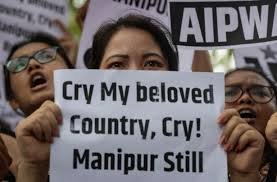
As the state struggles to recover, many residents say the sense of abandonment has grown sharper. Families continue to mourn, survivors continue to wait for justice, and entire communities remain displaced or divided. While Manipur burns and its people cry out for accountability, there is a growing perception among locals that their voices are not being heard in mainland India.
For many in the state, the crisis is no longer just about violence—it is about neglect. The wounds of conflict remain open, and without meaningful intervention, justice, and reconciliation, they risk becoming permanent scars.