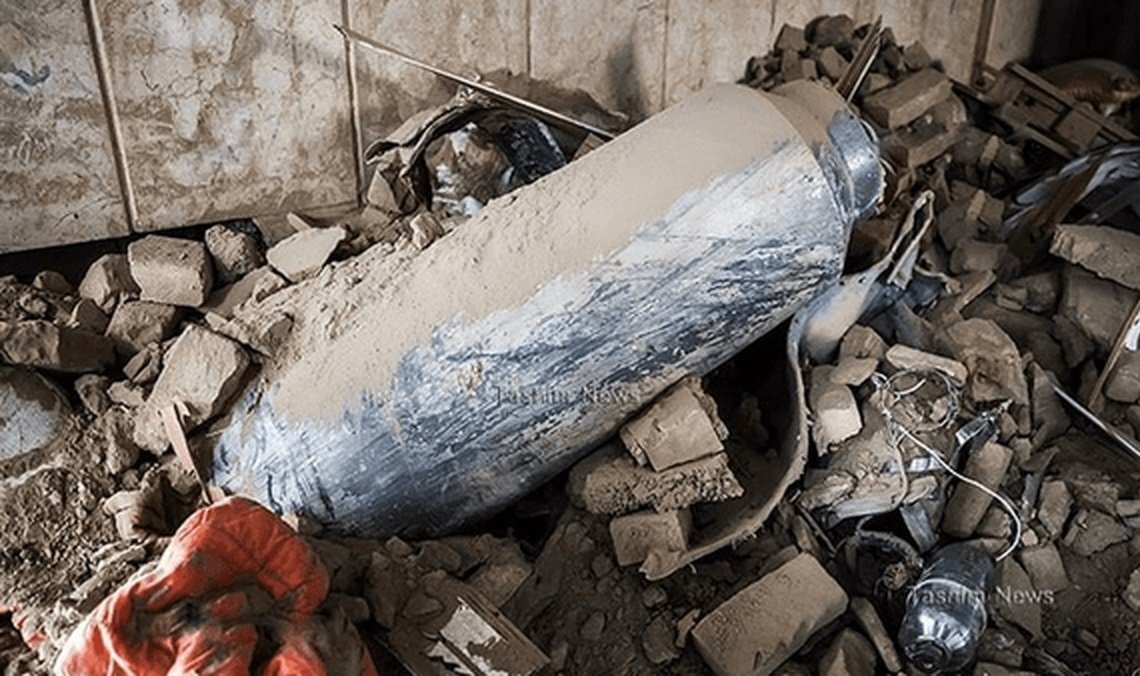
According to Iran officials, the blast was triggered by an unstable device, highlighting the extreme risks faced by bomb disposal teams in post-conflict zones.
BY PC Bureau
May 3, 2026 — A powerful explosion in northwestern Iran’s Zanjan province killed 14 members of the Islamic Revolutionary Guard Corps (IRGC) and injured two others during a high-risk ordnance clearance operation, officials said.
The blast struck a specialised demolition team from the IRGC’s Ansar al-Mahdi unit as they attempted to neutralise unexploded ordnance (UXO) believed to have been left behind after recent U.S.-Israeli airstrikes. Provincial IRGC authorities and state-linked media, including Fars News Agency and Press TV, said the explosion was likely triggered by an unstable or unidentified device.
The incident comes weeks after a ceasefire on April 7 ended roughly 40 days of hostilities, during which cluster munitions, bomblets and air-dropped mines were reportedly used. Such weapons are known to leave behind unexploded remnants that can detonate unpredictably long after fighting ceases.
READ:
📍Zanjan, Iran
14 members of the IRGC’s Ansar al-Mahdi (aj) unit of Zanjan Province ascended to martyrdom when an unidentified unexploded munition detonated during a disposal operation.https://t.co/aGVIhj8Y9e https://t.co/9XFLoNxbng pic.twitter.com/BUHs6yCWVA— not𝙲ioran (@imnotcioran) May 1, 2026
Read: Major Drug Bust in Imphal East: Woman Held with 5.5 Kg Opium
Authorities say more than 1,200 hectares of land in Zanjan—much of it agricultural—remain contaminated by unexploded munitions. IRGC teams have so far identified and safely disposed of over 15,000 such devices, underscoring the scale and danger of the ongoing clearance effort.
Casualties include senior officer
Among those killed was senior IRGC commander Ali Mousavi-Havaei, described as a veteran explosive ordnance disposal (EOD) specialist. The incident marks one of the deadliest single-day losses for IRGC personnel since the ceasefire.
Iranian officials have attributed the explosion to the hazards posed by leftover munitions from foreign airstrikes. However, the incident has prompted speculation in some international commentary about possible alternative causes, including sabotage or sensitive site involvement. No credible evidence has emerged to support such claims, and authorities maintain it was a clearance accident.
Continuing dangers
The blast highlights the persistent risks posed by unexploded ordnance in post-conflict zones. Despite the cessation of hostilities, demining operations remain fraught with danger for both military personnel and civilians.
IRGC leadership has expressed condolences to the families of those killed and reaffirmed its commitment to ongoing clearance operations. Officials say efforts will continue to map and neutralise remaining threats, even as the incident underscores the long-term human cost of modern warfare.