

The shutdown will cover Siang, Upper Siang and East Siang districts in Arunachal Pradesh as indigenous groups protest arrests and the deployment of security forces for survey work.
BY PC Bureau
November 1: Opposition to the proposed 11,200 MW Siang Upper Multipurpose Project (SUMP) is set to intensify in Arunachal Pradesh, with the Siang Upper Multipurpose Project Affected Area Youth Association (SAAYA) calling for a shutdown across Siang, Upper Siang and East Siang districts on November 2.
The protest follows the arrest of people opposing the project and the deployment of Central Armed Police Forces (CAPF) in areas earmarked for preliminary survey work.
SAAYA has written to the Bogum Bokang Welfare Society (BBWS), which represents the Bogum Bokang-Tuting area, seeking its support for the shutdown. In its letter to the BBWS president, the association said an emergency executive meeting held on October 29, attended by representatives of affected villages, had unanimously endorsed the decision.
The shutdown will be organised in coordination with the Siang Indigenous Farmer Forum (SIFF), other community-based organisations, youth groups and residents of project-affected areas.
SAAYA said the arrests were linked to the movement against what it described as forced survey operations. It accused the authorities of using arrests and the deployment of security personnel to suppress opposition from indigenous communities. The association appealed to BBWS to support the agitation while ensuring that the protest remained peaceful and democratic.
The organisation said its campaign was aimed at protecting ancestral land, the Siang River and the interests of future generations. .It described the struggle as inseparable from the preservation of Adi identity, customary practices and traditional livelihoods in Arunachal Pradesh
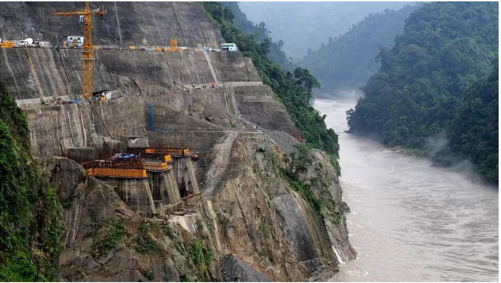
The proposed project has faced resistance from sections of the indigenous Adi community, which fears that the dam could submerge villages, agricultural land and forests, displace residents and disrupt traditional livelihoods. Reports suggest that 27 villages could be submerged, with several dozen others also facing the impact of the project.
The project has strategic significance for the Centre amid China’s plans for a massive hydropower facility on the Yarlung Tsangpo River in Tibet. The river enters India as the Siang before flowing into the Brahmaputra.
READ: A Riot of Colours, Turbans and Tribal Traditions: India’s Diversity on Display at Ramlila Maidan
Tensions escalated in September and October as preparations began for pre-feasibility report (PFR) surveys. Residents objected to the deployment of security personnel to facilitate the exercise, maintaining that the affected communities had not given their consent. Incidents of violence, including attacks on vehicles and public property, followed. The administration subsequently made arrests and preventive detentions and strengthened its security presence in the area.
On October 11, the Upper Siang district administration imposed prohibitory restrictions on public gatherings amid the growing unrest.
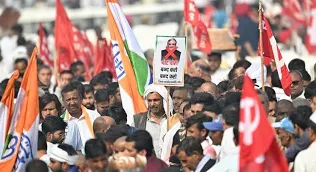
Protests in Arunachal Pradesh are centered around intense opposition to the proposed 11,200 MW Siang Upper Multipurpose Project (SUMP) and related hydroelectric developments. Due to which people protest outside of Arunachal Bhawan Delhi. https://t.co/pR856Pa3Lz
— Praveen Gavit (@praveengavit11) November 1, 2026
Several organisations have demanded the release of detained activists, withdrawal of security forces from the affected areas and suspension of survey work.
The Arunachal Pradesh government has maintained that the ongoing exercise is only a preliminary feasibility assessment and does not amount to a final decision to construct the dam. The Centre informed Parliament in August 2024 that the project remained at the preliminary investigation stage and that construction would require the necessary environmental clearances.
SAAYA’s shutdown call marks a further escalation of the agitation, as community organisations seek to consolidate opposition across the three districts over the proposed project, the survey exercise and the arrests of protesters.