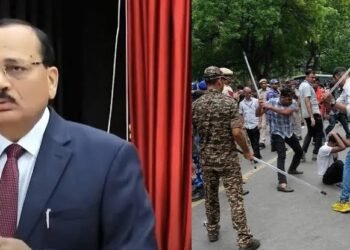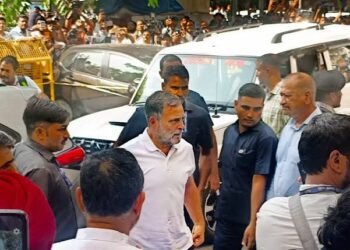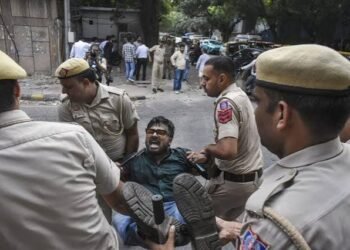
The contempt proceedings stem from allegations that Metro stations remained shut despite the Supreme Court’s directions to reconsider restrictions imposed ahead of protests demanding Chief Election Commissioner Gyanesh Kumar’s resignation over the electoral rolls revision exercise.
BY PC Bureau
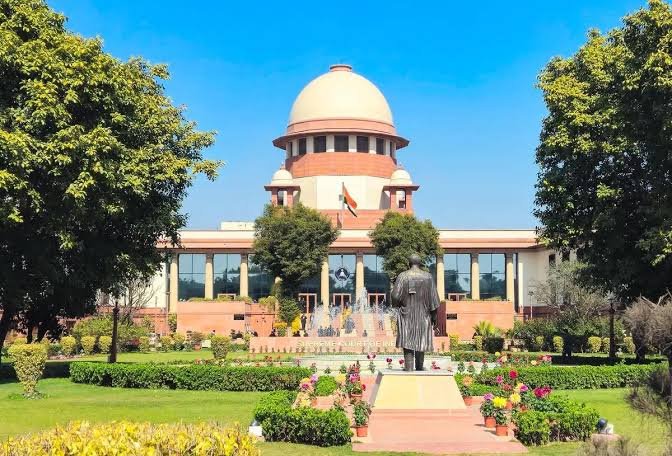
New Delhi: The Supreme Court has found a prima facie case of contempt over the alleged defiance of its directions on restrictions on Delhi Metro and railway services during protests on October 10, issuing notices to senior government and police officials and the head of the Delhi Metro Rail Corporation (DMRC).
A Bench of Justices Joymalya Bagchi and V. Mohana recorded the finding in a written order during a special Sunday hearing on a contempt petition filed by advocate Shailendra Mani Tripathi. The petition named Union Home Secretary Govind Mohan, Delhi Police Commissioner Anurag Kumar and DMRC Chairperson D. Thara as alleged contemnors.
“Having considered the submissions of the learned counsel for the parties and perused the averments in the Contempt Petition, we are of the opinion that the petitioners have made out a prima facie case. Accordingly, we issue notice upon the alleged contemnors,” the Bench said.
The respondents have been directed to submit counter-affidavits and a report detailing their compliance with the October 9 order by October 13. The Court has, for now, dispensed with their personal appearance.
The contempt petition alleged that authorities continued to restrict public transport despite the Supreme Court’s directions against a blanket shutdown of Metro and railway services during protests demanding the resignation of Chief Election Commissioner Gyanesh Kumar. The demonstrations were directed against the Election Commission of India’s Special Intensive Revision (SIR) of electoral rolls.
READ: Manipur: Naga Group Sets 48-hour Deadline for Return of Victim’s Head
On October 9, the Supreme Court had expressed concern that proposed restrictions on public transport ahead of the protests appeared excessive. It directed the authorities to reconsider plans to close 57 Metro stations, ensure regulated train operations and widely publicise revised arrangements to minimise inconvenience to commuters.
A contempt petition was subsequently filed on October 10, alleging that Metro stations remained closed in violation of the Court’s directions.
During Sunday’s hearing, Solicitor General Tushar Mehta disputed the allegation of non-compliance. He submitted that Delhi Metro services had operated normally, although 45 of the network’s 303 stations were closed on law-and-order grounds. According to his submissions, all stations had reopened by 10 pm on October 10, train operations were normal and internet connectivity had been restored.
The Supreme Court also took up a separate petition alleging the illegal detention of thousands of protesters, including opposition leaders. It issued notice on the habeas corpus plea.
The contempt proceedings, the detention petition and connected matters, including intervention applications, will be heard on October 13.
CJI declines meeting request from Rahul Gandhi, Kharge
In a related development, Chief Justice of India Surya Kant has declined a request from Congress leaders Rahul Gandhi, Mallikarjun Kharge and others for a meeting on Monday, October 12.
According to sources, the CJI indicated that the issues the leaders wanted to raise were already pending before the Supreme Court. He reportedly explained that the Court does not exercise administrative authority to intervene in the functioning of the government, while clarifying that the leaders remained free to approach it through the judicial process.
The related matters are scheduled to come up for hearing on Tuesday, October 13.