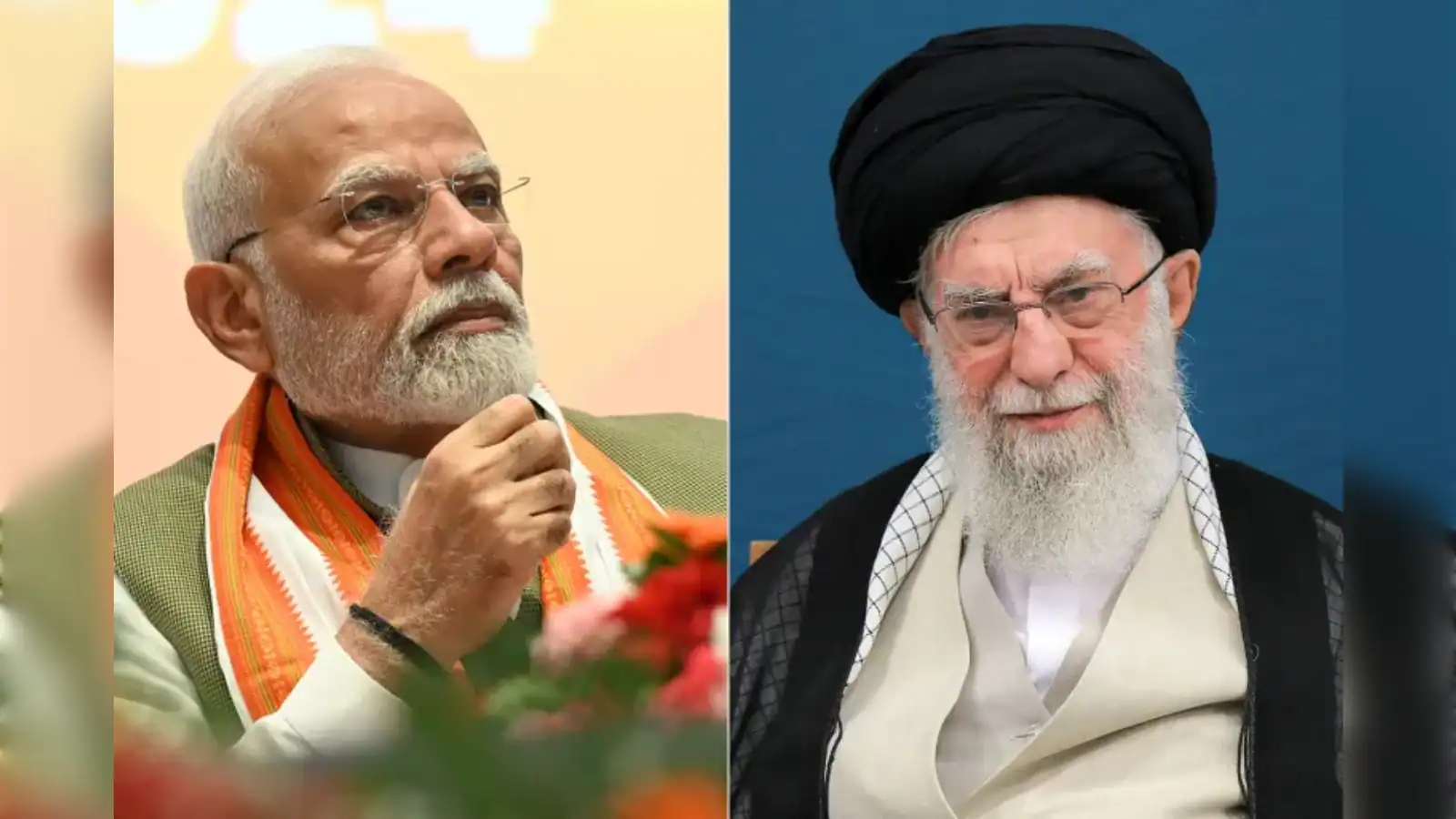
India’s deep strategic ties with Iran, Israel, and the United States make any decision on the funeral invitation politically significant. Analysts say New Delhi will seek to preserve its carefully cultivated balance in West Asia.
BY PC Bureau
New Delhi, June 24, 2026: Prime Minister Narendra Modi faces a delicate diplomatic decision after Iranian President Masoud Pezeshkian reportedly extended a formal invitation for him to attend the funeral of Iran’s former Supreme Leader, Ayatollah Ali Khamenei. The invitation places New Delhi in a sensitive position as it seeks to maintain its carefully balanced relationships across a deeply polarized West Asian landscape.
According to reports, the invitation was conveyed during a recent telephone conversation between President Pezeshkian and Prime Minister Modi, during which the two leaders also discussed the evolving security situation in the region. Funeral ceremonies for Khamenei are scheduled to commence on July 4 and conclude with his burial in Mashhad on July 9.
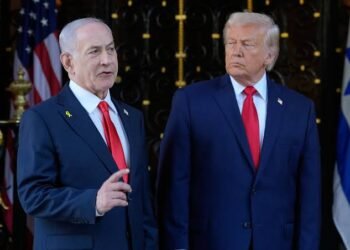
The invitation comes at a particularly challenging moment for Indian diplomacy. New Delhi has largely maintained a cautious and measured stance throughout the Iran-Israel-US confrontation, avoiding direct alignment with any of the principal actors while emphasizing regional stability and dialogue.
READ: Selective Justice? Questions Grow Over Security Operations in Manipur
Balancing Competing Strategic Interests
India’s relationship with Iran remains strategically significant. Tehran is central to New Delhi’s connectivity ambitions through the Chabahar Port project, which provides India access to Afghanistan and Central Asia while bypassing Pakistan. Iran has also historically been an important energy partner for India.
At the same time, India has significantly expanded its strategic partnership with Israel in recent years, particularly in defence, technology, agriculture, and intelligence cooperation. Relations with the United States have also deepened across multiple sectors, making Washington a key pillar of India’s foreign policy.
Against this backdrop, any decision regarding the funeral carries diplomatic implications.
“India has invested considerable effort in building strong ties with all major stakeholders in West Asia,” observed a senior diplomatic analyst. “The challenge is to maintain that balance without creating perceptions of favouritism toward one side or another.”
A Sensitive Diplomatic Calculation
Foreign policy observers note that Prime Minister Modi has not publicly commented on Khamenei’s death. While New Delhi’s restraint is consistent with its broader approach to the conflict, the absence of a public statement has attracted attention in Tehran, particularly given India’s traditionally cordial ties with Iran.
For Indian policymakers, the invitation presents several options. Modi could attend personally, send a senior cabinet minister, dispatch a special envoy, or limit representation to the ambassadorial level. Each option carries its own diplomatic messaging and consequences.
A personal visit could reassure Tehran of India’s commitment to bilateral relations but may be interpreted by some international observers as a political signal at a sensitive time. Conversely, a lower-level representation could preserve strategic flexibility but risk disappointment in Iran.
Regional and International Optics
Iranian authorities are expected to organize large-scale funeral ceremonies across several cities, including the religious centres of Qom and Mashhad. Numerous foreign dignitaries from across the Middle East, Central Asia, and the wider Islamic world are expected to attend.
The participation of regional leaders could further elevate the political significance of the event and place additional scrutiny on India’s level of representation.
The decision is also being watched closely by policymakers in Washington, Tel Aviv, and other regional capitals, all of whom have a stake in India’s evolving role as a major global power pursuing a policy of strategic autonomy.
Test of India’s Multi-Alignment Policy
For Prime Minister Modi, the invitation represents another test of India’s increasingly complex multi-alignment strategy. New Delhi has sought to maintain productive relations simultaneously with competing powers, allowing it to preserve diplomatic flexibility while advancing national interests.
Whether India chooses high-level participation or a more measured representation, the decision is likely to be interpreted as a reflection of New Delhi’s broader priorities in West Asia.
As of now, the Prime Minister’s Office has not announced any decision regarding the invitation. Diplomatic consultations are expected to continue in the coming days as India weighs the geopolitical, strategic, and symbolic implications of its response.
The outcome will offer another indication of how New Delhi intends to navigate one of the world’s most volatile regions while preserving its relationships with all major stakeholders.