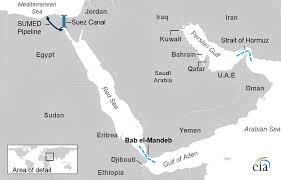
Senior Iranian official Ali Akbar Velayati said the “Resistance front” now treats Bab al-Mandeb and the Strait of Hormuz as unified strategic levers.
BY PC Bureau
April 5, 2026: Minutes after Donald Trump used expletives to address Iran—reportedly telling them to “open the f***ing strait” and calling them “crazy bastards”—Tehran issued a sharp and calculated warning of its own, threatening to disrupt global energy supplies and trade routes in response to any further escalation.
In a strongly worded statement, Ali Akbar Velayati, a senior advisor to Supreme Leader Ali Khamenei, said the “Resistance front” now treats the Bab al-Mandeb Strait and the Strait of Hormuz as equivalent strategic levers. He warned that any “foolish mistake” by Washington could result in the immediate disruption of global energy flows and international trade “with a single move.”
READ: “Open the Fuckin’ Strait, You Crazy Bastards”: Trump to Iran
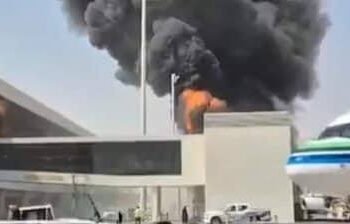
The timing of the statement underscores the rapidly escalating confrontation. Trump’s inflammatory remarks came amid rising tensions over control of key maritime corridors, while Iran has simultaneously intensified military pressure across the region. Over the past 48 hours, Iranian drone and missile strikes have targeted critical infrastructure in multiple Gulf countries, including power plants, desalination facilities, and petrochemical complexes.
#BREAKING
Ayatollah Khamenei’s advisor, Ali Akbar Velayati, warns US ‘stupid mistakes’ will see global energy, trade halted ‘with one gesture’ pic.twitter.com/4wLR1WOwn7— Tehran Times (@TehranTimes79) April 5, 2026
Velayati’s reference to a “unified command” suggests a coordinated strategy involving Iran and allied groups across the region, particularly around two of the world’s most critical chokepoints. The Strait of Hormuz carries a significant share of global oil and gas shipments, making it one of the most vital arteries of the global energy market. Meanwhile, the Bab al-Mandeb Strait controls access to the Red Sea and the Suez Canal, a key route linking Asia and Europe.
Analysts warn that any disruption in these waterways—especially if coordinated—could trigger a severe global economic shock. Oil prices would likely spike immediately, shipping routes could be forced to reroute around Africa, and insurance costs for vessels transiting the region could surge. The ripple effects would be felt far beyond the Middle East, impacting energy-importing nations and global supply chains.
Velayati, a veteran diplomat and one of Tehran’s most influential strategic voices, is widely seen as articulating positions aligned with Iran’s highest leadership. His statement signals that Tehran views threats to these maritime corridors as a red line—and is prepared to respond asymmetrically.
With both sides escalating rhetoric and military activity, the standoff has entered a more dangerous phase, where control over global trade lifelines is emerging as a central pressure point.