BY PC Bureau
April 5, 2026: Iranian drone and missile strikes targeting energy and critical infrastructure across the Gulf have intensified sharply in recent days, marking a significant escalation in the ongoing conflict.
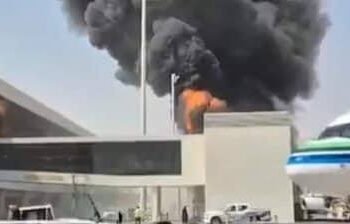
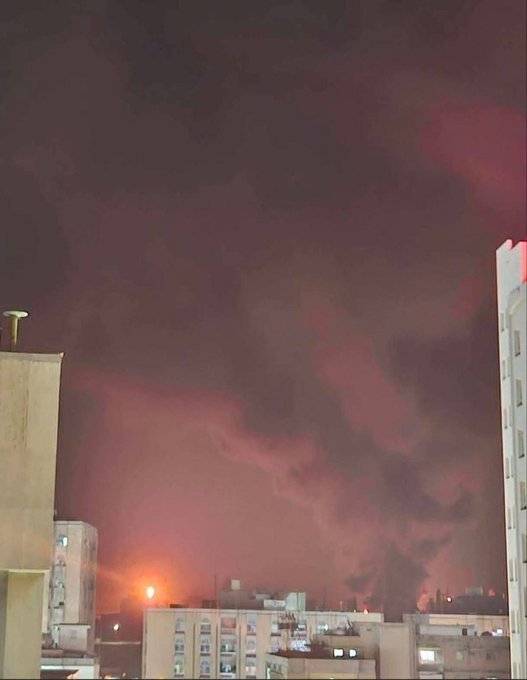
Kuwait has been among the hardest hit over the past 24 hours. The country’s Ministry of Electricity, Water and Renewable Energy said two major power generation and water desalination plants were directly struck, causing substantial damage and forcing the shutdown of key electricity units. These facilities are crucial to Kuwait’s energy and water supply, with desalination plants accounting for nearly 90% of the country’s drinking water. Additional strikes triggered fires at the Shuwaikh Oil Sector Complex, operated by the Kuwait Petroleum Corporation, and damaged a government office complex, though no casualties were reported.
Elsewhere in the Gulf, attacks have also targeted vital infrastructure. In Bahrain, drone strikes hit operational units of Gulf Petrochemical Industries Company and sparked a fire at an oil storage tank linked to Bapco Energies. The blaze was later brought under control, but the incident underscored the vulnerability of energy facilities.
#BREAKING
IRGC said its Naval and Aerospace forces carried out a joint “retaliatory operation” targeting energy infrastructure and US-linked facilities across the region, as part of Wave 96 of Operation True Promise 4. pic.twitter.com/Ca8AVg0l64— Tehran Times (@TehranTimes79) April 5, 2026
READ: “Open the Fuckin’ Strait, You Crazy Bastards”: Trump to Iran
In the United Arab Emirates, debris from intercepted Iranian missiles caused fires at the Borouge petrochemicals plant in Ruwais Industrial City near Abu Dhabi, leading to a temporary halt in operations. Earlier incidents also resulted in injuries after falling debris struck populated and industrial areas.
Saudi Arabia has likewise faced a series of missile and drone threats aimed at energy installations and other infrastructure, with authorities confirming that several incoming projectiles, including a cruise missile, were successfully intercepted.
The wave of attacks is widely seen as part of Iran’s retaliatory campaign against Gulf states perceived to be supporting or hosting U.S. military operations. By focusing on energy, petrochemical, and utility infrastructure, the strikes have raised concerns about disruptions to electricity and water supplies, as well as potential impacts on global oil markets.
While officials across the region have reported no fatalities in the latest round of attacks, the material damage has been significant, and operations at several key facilities have been halted or reduced as a precaution. The situation remains fluid, with heightened alerts and increased air defense activity reported across multiple Gulf states.