BY PC Bureau
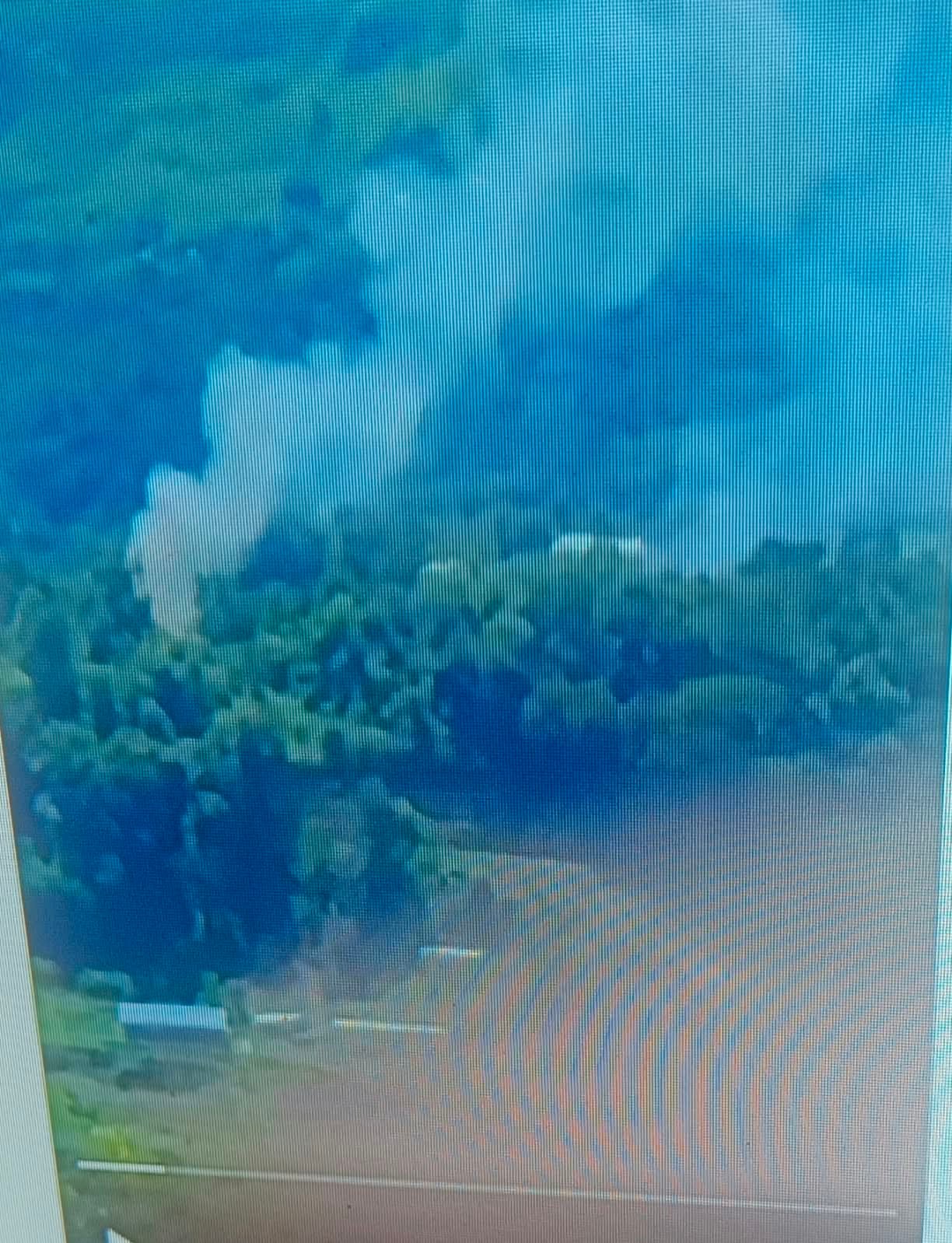
August 10: Fresh violence in Manipur’s hills has raised renewed concerns over the fragile peace process in the state after a Kuki village in Kangpokpi district was reportedly set on fire on Monday in an attack allegedly carried out by armed cadres linked to the NSCN-IM and the Zeliangrong United Front (ZUF-K).
The incident was reported from Kailenjang, a Kuki-majority settlement in the Kangpokpi area, where local accounts said several houses were torched. Some reports put the number of houses destroyed at at least three, although the full extent of the damage could not be independently verified.
There were no confirmed reports of casualties at the time of publication. Details about possible injuries, the number of residents affected and the circumstances surrounding the alleged attack were also still emerging.
The reported arson has caused concern because it came amid renewed government efforts to advance reconciliation and restore security in violence-hit areas.
On Saturday, Chief Minister Yumnam Khemchand Singh and Deputy Chief Minister Nemcha Kipgen held discussions focused on peace and reconciliation. On Monday, Deputy Chief Minister Losii Dikho and Home Minister Govindas Konthoujam led a separate delegation as part of the government’s efforts to address the continuing security challenges.
The reported attack in Kailenjang, however, has prompted questions over the effectiveness of security arrangements in vulnerable hill settlements.
Posts circulating on social media accused armed groups of targeting civilians and questioned the absence of security forces in the area. Some users also tagged the Union Home Ministry and the Prime Minister’s Office, asking how such incidents could occur while the government was pursuing peace initiatives.
READ: Kuki Armed Groups Deny Signing Revised SoO Pact with MHA
Pattern of attacks raises concern
Kailenjang is a relatively small Kuki-majority village in the Kangpokpi region. Available older demographic records indicate a population of roughly 160-190 people, although the present population may differ.
The reported incident comes against the backdrop of growing tensions between Kuki and Naga groups in parts of Manipur’s hill districts. Villages in Kangpokpi, Senapati, Ukhrul and Kamjong have witnessed violence, including reported arson, killings and abductions during the latest phase of conflict.
Kuki civil society organisations have previously accused cadres associated with NSCN-IM and ZUF factions of involvement in attacks on Kuki settlements, including incidents reported in K. Songlung, Kharam Vaiphei and Loibol Khullen.
In some cases, armed groups have alleged that their operations were aimed at tackling illegal poppy cultivation, encroachment or narcotics-related activities. Kuki organisations have rejected such explanations, arguing that they are being used to justify attacks on civilian settlements.
The competing claims have added another layer to Manipur’s already complex security situation.
READ: Kuki Armed Groups Deny Signing Revised SoO Pact with MHA
Peace efforts face renewed test
Manipur has remained divided since large-scale Meitei-Kuki violence erupted in May 2023. While the immediate conflict was initially concentrated around the two communities, tensions involving Naga and Kuki groups have also intensified in parts of the hill districts.
How long will the KUKI innocent civilians suffer under Narco-terrorist NSCN-IM & ZUF-K groups.
Today they burned down the KUKI village, Kailenjang under Kangpokpi district.
Where are Security forces?
Where is your promise to hunt down the terrorist @crpfindia @adgpi @KonthoujamG pic.twitter.com/5t6S5GxeKX— GalngamLen (@GalngamLenkips) August 10, 2026
The state government, reconstituted in February 2026 under Chief Minister Yumnam Khemchand Singh, has repeatedly stressed reconciliation, restoration of normalcy and stronger security in vulnerable areas. The administration includes deputy chief ministers representing different communities, in an effort to broaden political representation.
Large numbers of central security personnel also remain deployed across the state.
The reported burning of Kailenjang nevertheless highlights the difficulties facing the administration in protecting remote settlements, particularly those located in areas where armed groups continue to operate.
Authorities now face pressure to establish what happened at Kailenjang, identify those responsible and ensure the safety of residents in neighbouring villages. Any failure to contain such attacks could further undermine confidence in the government’s reconciliation efforts and risk opening another front in Manipur’s prolonged cycle of violence.
For civilians living in remote hill settlements, the immediate concern remains basic security, as recurring attacks threaten to deepen displacement, fear and mistrust even as political leaders attempt to revive a fragile peace process.