Why are the NSCN-K/AM and NSCN-IM talking now? Both face a changing security environment in Myanmar and continuing political uncertainty over the Naga issue. Cooperation could strengthen their bargaining positions and logistical networks.
BY PC Bureau
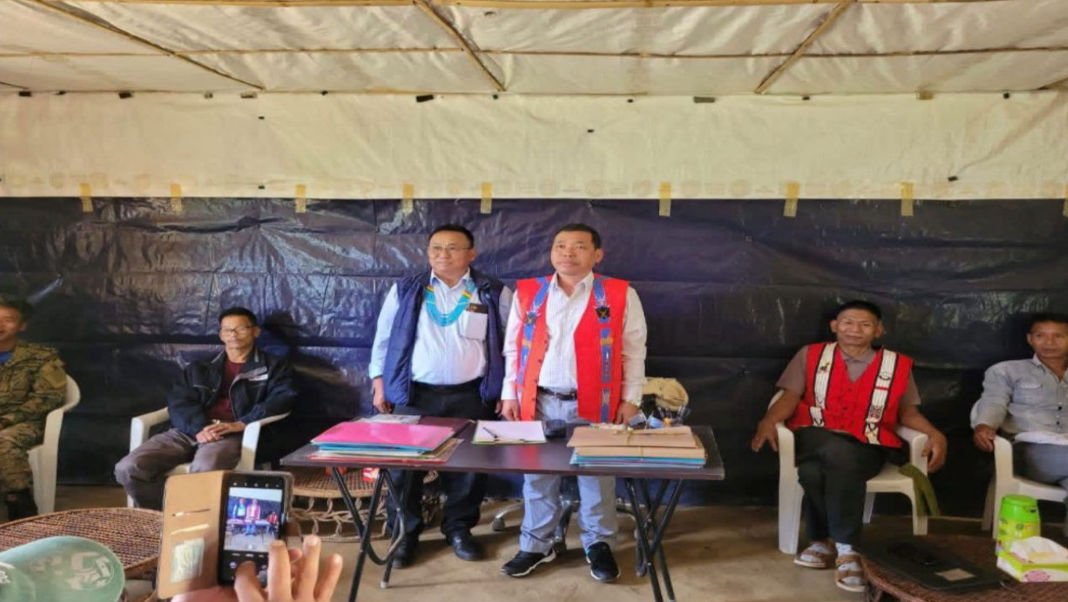
October 6: Senior leaders of the NSCN-K/Ang Mai (NSCN-K/AM) and the NSCN-Isak Muivah (NSCN-IM) met on September 29 in Myanmar’s Naga Self-Administered Zone in Sagaing Region, opening a potentially significant channel between two Naga organisations that have long operated on different sides of the Indo-Myanmar border.
The meeting, held at an NSCN-K/AM base, was attended by NSCN-K/AM Chairman Maj. Gen. (Retd.) Ang Mai and Vice Chairman Nyeiton (Naitan) Konyak, while the NSCN-IM delegation was led by Vice Chairman and Collective Leadership Member Maj. Gen. (Retd.) Ramkathing Varah.
The discussions reportedly covered peace affairs and other issues of mutual interest, including security along the Indo-Myanmar border and political matters. The two sides are also discussing the possibility of bringing their organisations closer together, although there is no indication that a merger has been agreed.
NSCN-K/AM is the National Socialist Council of Nagaland–Khaplang/Ang Mai, a Myanmar-based Naga armed faction led by Maj. Gen. (Retd.) Ang Mai. It grew out of the NSCN-K, formed in 1988 by S.S. Khaplang, and became a separate group on July 2, 2023, after further splits following Khaplang’s death. Based in Sagaing Region’s Naga Self-Administered Zone, it has held peace talks with Myanmar and engaged India, while still stating the wider Naga aim of cross-border unity and an independent Naga nation.
U Chin Maung, chairman of the NSCN-K/AM Peace-making Committee, told CNI News that negotiations for a merger were under way but remained at an early stage. The immediate objective, he said, was to promote unity among Naga armed groups and coordinate activities between Nagas in India and Myanmar.
“If these two groups unite,” he said, there would be a stronger possibility of prioritising the peace process with the Myanmar government and taking the lead in regional development. But he stressed that the organisations had not yet merged.
The timing of the contact is important. Both organisations have reasons to reconsider prolonged division.
For the NSCN-IM, the Myanmar side of the Naga movement remains strategically important. Its long-running political negotiations with New Delhi have not produced the comprehensive settlement it has sought, while its traditional military and logistical space in Myanmar has become increasingly complicated by the civil war and the presence of other armed organisations. Maintaining channels with Naga groups operating inside Myanmar could therefore give the NSCN-IM greater room for manoeuvre.
For the NSCN-K/AM, closer relations with the NSCN-IM could provide something equally valuable: political weight and wider Naga legitimacy. The group is engaged in peace discussions with Myanmar authorities, but it operates in a fragmented Naga political landscape in which several armed organisations claim to represent Naga interests. A relationship with the NSCN-IM could strengthen its bargaining position while reducing the possibility of Naga groups working at cross-purposes.
There is also a broader security calculation. The Indo-Myanmar border cuts across Naga-inhabited areas, while the region has become increasingly militarised because of Myanmar’s civil war. Several Naga and other ethnic armed organisations operate in or around the area. Cooperation over security, movement, communications, personnel and logistics could therefore be useful even if the two organisations remain politically separate.
That may explain why the language of “unity” is being used alongside practical discussions on security and peace. A formal merger would require agreement on leadership, political objectives, command structures, territorial influence and relations with both New Delhi and Myanmar’s authorities. Those are considerably more difficult questions than establishing a working relationship.
The two organisations also face a crowded and divided Naga landscape. NSCN-K/Yung Aung, NSCN-IM/Hansi Ramson, the Eastern Naga National Organisation/Eastern Naga Defense Army and Naga PDF forces remain active, while Manipuri and Assamese armed groups also operate in the wider region. Some Naga factions are engaged in negotiations with Myanmar authorities, while others remain involved in armed conflict.
The September 29 meeting therefore appears less like an imminent merger and more like an attempt to test whether cooperation is possible despite years of organisational and political divisions.
Will the talks succeed?
A limited form of cooperation is considerably more likely than a full merger.
The two groups have a common interest in reducing intra-Naga hostility, maintaining access and influence across the border and preventing other armed organisations from filling the political and military space available to them. They also share an interest in keeping the broader Naga issue alive while dealing with governments in New Delhi and Naypyidaw.
A formal merger, however, would be much harder. The organisations have different histories, leadership structures, constituencies and relationships with the Indian and Myanmar governments. Other Naga groups would also have to be brought into any meaningful process if “Naga unity” is to mean more than an agreement between two factions.
The September 29 meeting is therefore best viewed as an opening rather than a breakthrough. If the two sides can establish regular dialogue, coordinate security and peace initiatives and gradually bring other Naga organisations into the process, the meeting could become the beginning of a broader Naga consolidation. If leadership, territorial control and political strategy remain unresolved, however, the talks are likely to stop at tactical cooperation.
For now, the incentive to cooperate is stronger than the incentive to merge. That distinction will determine whether the September initiative develops into a genuine Naga unity process or remains another episode of tactical accommodation among divided armed groups.
Senior leaders of the NSCN-K/Ang Mai (NSCN-K/AM) and the NSCN-Isak Muivah (NSCN-IM) met on September 29 in Myanmar’s Naga Self-Administered Zone in Sagaing Region, opening a potentially significant channel between two Naga organisations that have long operated on different sides of the Indo-Myanmar border.
The meeting, held at an NSCN-K/AM base, was attended by NSCN-K/AM Chairman Maj. Gen. (Retd.) Ang Mai and Vice Chairman Nyeiton (Naitan) Konyak, while the NSCN-IM delegation was led by Vice Chairman and Collective Leadership Member Maj. Gen. (Retd.) Ramkathing Varah.
The discussions reportedly covered peace affairs and other issues of mutual interest, including security along the Indo-Myanmar border and political matters. The two sides are also discussing the possibility of bringing their organisations closer together, although there is no indication that a merger has been agreed.
U Chin Maung, chairman of the NSCN-K/AM Peace-making Committee, told CNI News that negotiations for a merger were under way but remained at an early stage. The immediate objective, he said, was to promote unity among Naga armed groups and coordinate activities between Nagas in India and Myanmar.
“If these two groups unite,” he said, there would be a stronger possibility of prioritising the peace process with the Myanmar government and taking the lead in regional development. But he stressed that the organisations had not yet merged.
The timing of the contact is important. Both organisations have reasons to reconsider prolonged division.
For the NSCN-IM, the Myanmar side of the Naga movement remains strategically important. Its long-running political negotiations with New Delhi have not produced the comprehensive settlement it has sought, while its traditional military and logistical space in Myanmar has become increasingly complicated by the civil war and the presence of other armed organisations. Maintaining channels with Naga groups operating inside Myanmar could therefore give the NSCN-IM greater room for manoeuvre.
For the NSCN-K/AM, closer relations with the NSCN-IM could provide something equally valuable: political weight and wider Naga legitimacy. The group is engaged in peace discussions with Myanmar authorities, but it operates in a fragmented Naga political landscape in which several armed organisations claim to represent Naga interests. A relationship with the NSCN-IM could strengthen its bargaining position while reducing the possibility of Naga groups working at cross-purposes.
READ: Manipur Sexual Violence Trial: The Next Test Is Whether Victims Can Speak Safely
There is also a broader security calculation. The Indo-Myanmar border cuts across Naga-inhabited areas, while the region has become increasingly militarised because of Myanmar’s civil war. Several Naga and other ethnic armed organisations operate in or around the area. Cooperation over security, movement, communications, personnel and logistics could therefore be useful even if the two organisations remain politically separate.
That may explain why the language of “unity” is being used alongside practical discussions on security and peace. A formal merger would require agreement on leadership, political objectives, command structures, territorial influence and relations with both New Delhi and Myanmar’s authorities. Those are considerably more difficult questions than establishing a working relationship.
The two organisations also face a crowded and divided Naga landscape. NSCN-K/Yung Aung, NSCN-IM/Hansi Ramson, the Eastern Naga National Organisation/Eastern Naga Defense Army and Naga PDF forces remain active, while Manipuri and Assamese armed groups also operate in the wider region. Some Naga factions are engaged in negotiations with Myanmar authorities, while others remain involved in armed conflict.
The September 29 meeting therefore appears less like an imminent merger and more like an attempt to test whether cooperation is possible despite years of organisational and political divisions.
Will the talks succeed?
A limited form of cooperation is considerably more likely than a full merger.
The two groups have a common interest in reducing intra-Naga hostility, maintaining access and influence across the border and preventing other armed organisations from filling the political and military space available to them. They also share an interest in keeping the broader Naga issue alive while dealing with governments in New Delhi and Naypyidaw.
A formal merger, however, would be much harder. The organisations have different histories, leadership structures, constituencies and relationships with the Indian and Myanmar governments. Other Naga groups would also have to be brought into any meaningful process if “Naga unity” is to mean more than an agreement between two factions.
The September 29 meeting is therefore best viewed as an opening rather than a breakthrough. If the two sides can establish regular dialogue, coordinate security and peace initiatives and gradually bring other Naga organisations into the process, the meeting could become the beginning of a broader Naga consolidation. If leadership, territorial control and political strategy remain unresolved, however, the talks are likely to stop at tactical cooperation.
For now, the incentive to cooperate is stronger than the incentive to merge. That distinction will determine whether the September initiative develops into a genuine Naga unity process or remains another episode of tactical accommodation among divided armed groups.