The Village Volunteer Eastern Zone (VVEZ) has claimed responsibility for a limited retaliatory operation against the NSCN-IM Eastern Flank following the alleged burning of a Kuki village in Kamjong district, while stressing it does not seek confrontation with any community.
BY PC Bureau
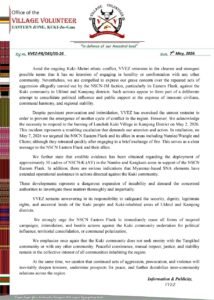
May 7, 2026: In a fresh escalation of the ongoing ethnic and armed tensions in Manipur, the Village Volunteer Eastern Zone (VVEZ), representing Kuki-Zo-Gam interests, has issued a press statement acknowledging what it described as a limited retaliatory operation against the NSCN-IM Eastern Flank, following the alleged burning of a Kuki village in Kamjong district.
The group, in its statement issued on May 7, 2026, clarified that it has “no intention of engaging in hostility or confrontation with any other community,” but expressed “grave concern” over what it termed repeated attacks by NSCN-IM Eastern Flank cadres in Ukhrul and Kamjong districts.
Allegations and Claimed Timeline
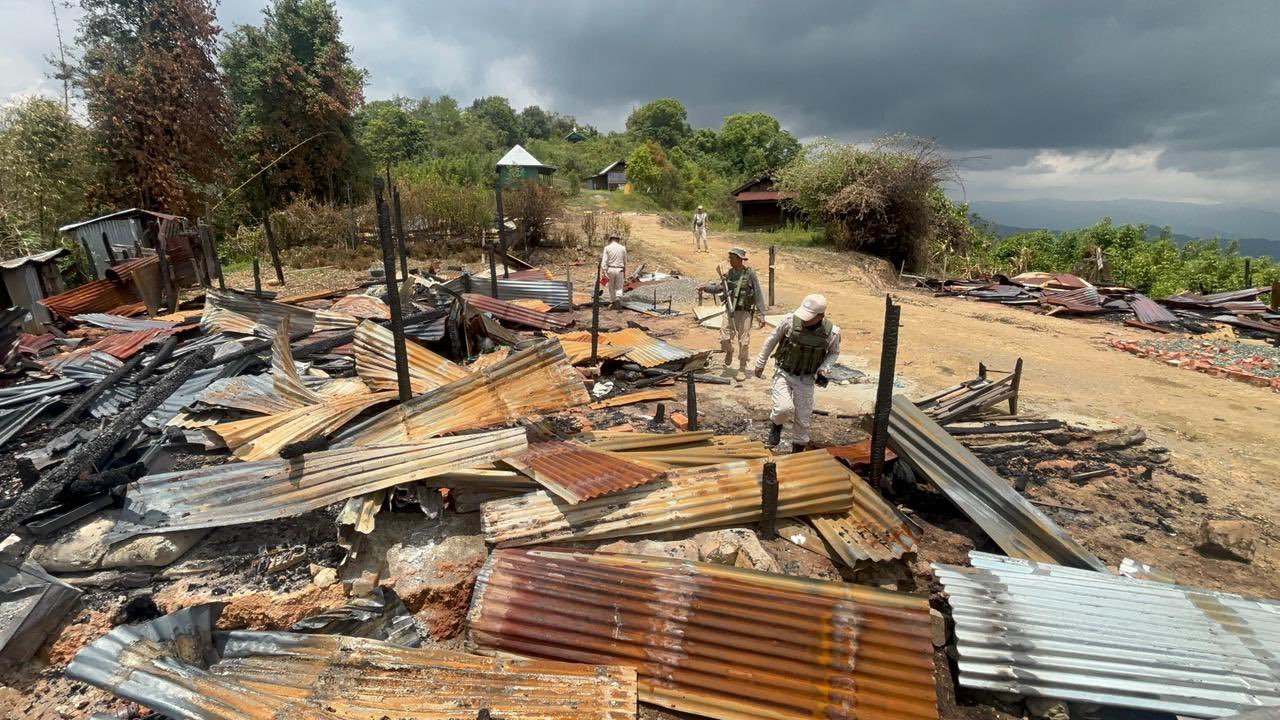
According to VVEZ, the immediate trigger was the reported burning of Lanchah Kuki Village in Kamjong district on May 2, 2026, which it described as a “serious escalation” requiring response.
In retaliation, the group stated that on May 7, its volunteers conducted a targeted operation against positions of the NSCN Eastern Flank and associated elements in areas including Namlee/Wangle and Choro. It claimed that following a “brief exchange of fire,” opposing forces retreated. No casualty figures were disclosed.
The statement further alleged the presence of approximately 30 cadres of NSCN-K (AY) operating in the Namlee and Kangkum areas in coordination with the NSCN-IM Eastern Flank. It also claimed, without providing evidence, that Myanmar-based SNA (Sino-Naga Army) elements may have extended operational support in actions targeting Kuki areas.
READ: Manipur: KNA-B Denies Role in Kamjong Arson Attacks
Continuing Ethnic and Armed Tensions
Manipur has remained under severe ethnic strain since the outbreak of large-scale violence in 2023, which has resulted in hundreds of deaths and widespread displacement. The conflict has primarily centered on tensions between the Meitei community in the valley and Kuki-Zo groups in the hill districts, alongside long-standing Naga-Kuki and Naga-Meitei fault lines.
These are the houses burned by Tangkhul-led NSCN militants in Lanchah #Kuki village, #Kamjong district, Manipur. The incident has caused immense suffering and displacement among innocent villagers. Such acts of violence and destruction deepen communal tensions and disturb peace… pic.twitter.com/FxJgcg7RLl
— Hol Thangminjoy Kuki (@KukiMinjoy) May 7, 2026
Ukhrul and Kamjong districts—home largely to Tangkhul Naga and Kuki populations—have witnessed intermittent clashes, shifting alliances, and armed group activity linked to the broader insurgency landscape in the region.
VVEZ framed its actions as defensive, stating that it had exercised “utmost restraint” despite what it called “persistent provocation and intimidation,” and said its primary objective remains the protection of “security, dignity, legitimate rights, and ancestral lands” of the Kuki community.
“Amid the ongoing Kuki–Meitei ethnic conflict, VVEZ reiterates in the clearest and strongest possible terms that it has no intention of engaging in hostility or confrontation with any other community,” the statement said.
Appeal for De-escalation and Investigation
While justifying its actions as retaliatory, the group urged the NSCN Eastern Flank to immediately cease what it described as “targeted campaigns and hostile actions” against Kuki villages.
It also clarified that the Kuki community does not seek enmity with the Tangkhul or any other community, emphasizing that “peaceful coexistence, mutual respect, justice, and stability remain in the collective interest.”
VVEZ called on authorities to conduct a “thorough and impartial investigation” into the incidents and warned that continued violence could further destabilize an already fragile inter-community environment.
As of now, there has been no official confirmation from the NSCN-IM, Manipur state authorities, or central security agencies regarding the reported clash or the allegations made in the statement.
Security analysts caution that retaliatory operations between armed groups in Manipur’s hill districts risk escalating into wider cycles of violence, particularly given the presence of multiple insurgent factions operating across the Indo-Myanmar border.
The mention of NSCN factions and alleged Myanmar-based involvement highlights the increasingly complex and transnational nature of armed dynamics in the region.
VVEZ concluded its statement reaffirming what it described as its defensive mandate, stating its commitment to act “in defence of our ancestral land.”