



The contrast with the response of the Manipur Govt to the October 19 killing of three vt Meitei civilians raises serious questions about selective urgency, the allocation of security resources and equal protection under the law.
By PC Bureau
November 3, 2025: Three days after five Kuki-Zo men were killed in two separate incidents in Manipur hill districts, no arrests have been made, and there is no search operation comparable to the one launched after the October 19 killing of three Meitei civilians. Where are the drones, helicopters, sniffer dogs and rapid-response teams this time?
The contrast is hard to ignore.
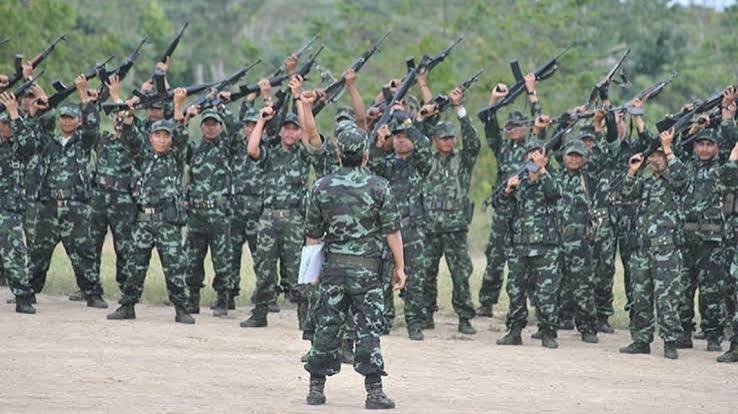
After the October 19 killings, the state machinery moved at speed. Sniffer dogs, helicopters and drones were deployed, and search operations swept across the affected areas. Within 24 hours, three youths had been arrested. Security forces also raided a Kuki-Zo Suspension of Operations (SoO) camp at Senai and detained 17 people.
The raid appeared to serve a purpose beyond the investigation. Facing pressure from Meitei and Naga protesters, the state government used the killings to be seen acting against a Kuki-Zo armed group’s designated camp. Whatever the intent, the message was unmistakable: the killings demanded an immediate, all-out response, and every available resource was placed at the investigators’ disposal.
Now compare that with the killing of five Kuki-Zo men. No arrests have been reported. There has been no intensive search, aerial surveillance or coordinated raids, and the authorities have offered little to suggest the investigation is moving with the same urgency or on the same scale.
The silence is more troubling given what Kuki-Zo groups have long alleged. They have repeatedly accused the NSCN (I-M) of involvement in the killing of their people. They also say the group runs illegal camps in Manipur’s hills. Yet the state government has shown no comparable appetite for a crackdown on these camps. A government willing to raid one community’s designated camp within hours, but not to act against camps another community’s groups call unlawful, invites the charge of selective enforcement.
Manipur on the brink: The state’s war against Kuki minorities!
Five Kuki civilians killed in Kangpokpi amid protests by Indian security forces.This is state’s war against Manipur’s Christian and tribal minorities.
No security force or political leader has the right to kill innocent Kukis.Manipur cannot survive another minority massacre.
— Roshni Haokip (@RoshniHaokipIN) November 2, 2026
The Manipur government and the Police have displayed a similar lack of urgency in investigating the killings of around 35 Kuki-Zo people, including women and children, over the past six months. The absence of visible investigative action, swift arrests or sustained search operations in these cases has further fuelled allegations of selective policing and unequal treatment of victims based on their community.
READ: In Volatile Manipur, Kuki-Zo Villagers Release Two Detained Naga Youths
This raises an uncomfortable question: does the identity of the victims, and of the suspected perpetrators, determine how urgently the Manipur government and police respond?
The issue is not whether the police should have acted forcefully in the case of the Meitei victims. They should have. The issue is why the same urgency, resources and investigative determination are not equally visible when Kuki-Zo civilians are killed.
Five deaths cannot be treated as a routine law-and-order matter, and the absence of arrests cannot be dismissed as a procedural detail. The victims’ families deserve answers: what steps have been taken, whether suspects have been identified, and what is stopping the police from making arrests.
Manipur has already paid a terrible price for the collapse of trust between its communities. Since May 2023, the conflict has deepened divisions, displaced thousands and left families across the state mourning their dead. In such a climate, even the appearance of selective policing can have dangerous consequences.
The government cannot claim neutrality by issuing statements about peace and normalcy. It must prove impartiality through its actions. The law must apply equally, and every civilian death must command the same investigative commitment, whether the victim is Meitei, Kuki-Zo, Naga or from any other community. So must every armed group, whichever community it belongs to.
The police must now disclose how the investigation into the five killings is progressing. They must also say whether the NSCN (I-M) allegations are being investigated. If drones, helicopters, canine units and large-scale searches were deemed necessary in the earlier case, the authorities must explain what has been done this time, and why.
Whether the state can mobilise its resources is not in doubt. It has already shown that it can.
The real question is why five Kuki-Zo lives have not triggered the same urgency.
Where are the drones, the sniffer dogs and the choppers, Manipur Police?





Comments 1