The complaints were reportedly submitted to JNU’s Internal Committee in May. With no findings publicly announced, ABVP has questioned the delay and sought clarity on the status of the inquiry.
BY PC Bureau
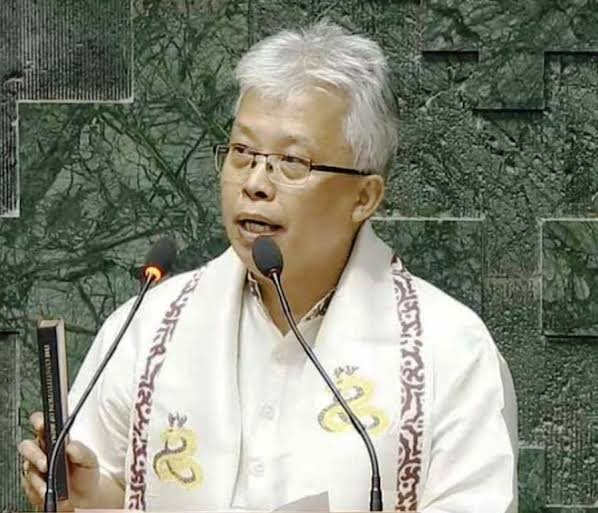
New Delhi/ September 18, 2026: : Four months after complaints were reportedly submitted to Jawaharlal Nehru University’s Internal Committee, the controversy surrounding allegations against Congress MP and JNU professor Angomcha Bimol Akoijam returned to the campus on September 18, with ABVP activists demanding a time-bound inquiry.
The ABVP said 11 women students had approached the university’s Internal Committee with complaints against Akoijam, who represents Inner Manipur in the Lok Sabha and is a professor at JNU. The complaints were reportedly filed in May, and the university’s inquiry is still underway, with no findings made public.
For th first time, the JNU Vice-Chancellor has confirmed that the university’s Internal Committee is examining sexual-harassment complaints against Congress MP and professor Bimol Akoijam.
The student organisation’s central demand was that the complaints be examined promptly and independently through the university’s established mechanism. It also questioned what it described as the delay in the proceedings and asked the JNU administration to clarify the status of the inquiry.
The ABVP also questioned what it described as the limited public response from Congress, NSUI and Left student organisations, particularly given Akoijam’s political position. The organisation has alleged that the inquiry should remain free from political considerations.
READ: ‘No Village Safe, No Civilian Safe’: Kuki-Zo Women’s Forum Seeks President’s Rule in Manipur
The allegations against Akoijam have not been established. JNU’s Internal Committee is examining the complaints, and the university has not announced findings.
Akoijam has rejected the allegations, describing reports about them as “unverified, intentional, unethical and illegal”. He has said the matter would be addressed through legal proceedings and that the truth would emerge through the appropriate legal process.
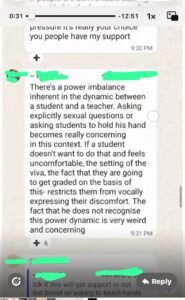
Reports about the complaints have included allegations of inappropriate conduct and sexually suggestive remarks during academic interactions. Some reports have also carried allegations concerning offers of higher marks in exchange for sexual favours. These remain allegations and are subject to the university inquiry.
The Delhi Commission for Women has also taken suo motu cognisance of the allegations and sought information from JNU on the complaints, the action taken and measures for student safety.
The dispute has therefore shifted, for the moment, from competing claims about the allegations to questions over the progress and timeline of the institutional inquiry. The facts of the complaints and any responsibility arising from them will ultimately depend on the findings of the competent authorities.