India is not automatically hit with a 100% tariff, but Trump now has statutory authority to impose punitive duties on countries that remain major purchasers of Russian crude and natural gas.
BY PC Bureau
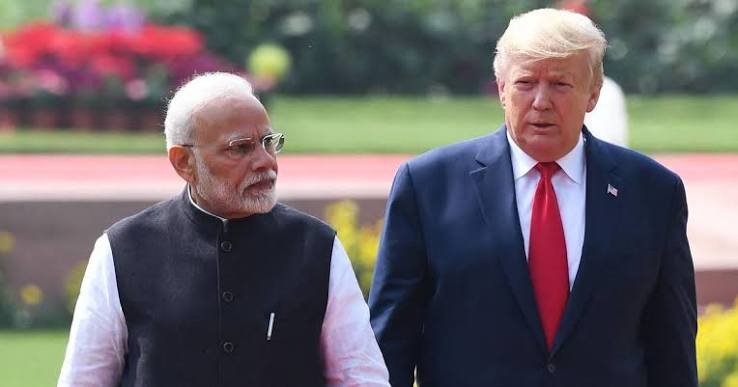
New Delhi/ September 19: India is once again in the crosshairs of Washington’s Russia sanctions strategy, with President Donald Trump signing a new law that gives him sweeping powers to impose tariffs of up to 100 per cent on countries buying Russian oil and gas.
The Lindsey O. Graham Sanctioning Russia and Iran Act of 2026, signed by Trump on Friday, does not automatically impose the 100 per cent duty on India. But it gives the US President a powerful new weapon to target major purchasers of Russian energy — with India and China potentially among the countries affected.
The legislation comes as India remains one of the world’s biggest buyers of Russian crude, which has become an important source of discounted energy since the Ukraine war and the imposition of Western sanctions on Moscow.
🚨 JUST IN — IT’S OFFICIAL: President Trump has signed the Russia Sanctions Bill into LAW
POTUS can now impose 100% TARIFFS on India, China, and any other countries in the Top 5 of those who import Russian oil or natural gas
And NOBODY can challenge him on it.
I regret to… pic.twitter.com/UeSxDPaiqi
— John f Kennedy Jr (@Real_Jfkennedjr) September 18, 2026
Under the new law, Trump can impose additional duties of up to 100 per cent on imports from countries that are among the five largest purchasers of Russian crude oil or natural gas. The law also provides for tariffs of up to 500 per cent on imports from Russia itself.
The immediate question for New Delhi is whether Trump will use the new powers against India — and, if so, at what level.
The legislation leaves that decision to the President. Trump can impose the tariffs, delay their implementation or waive them. India therefore faces a fresh tariff threat, but not an automatic 100 per cent levy.
The House of Representatives approved the Senate-amended legislation 262-159 on September 16, paving the way for Trump’s signature two days later.
Beyond tariffs, the law significantly expands the US sanctions architecture against Moscow. It targets Russian officials, banks, energy networks and vessels and companies linked to the so-called shadow fleet, which Washington says has helped Russia circumvent restrictions on its oil exports.
The legislation also extends existing US sanctions against Iran.
For India, however, the Russia-related tariff provision is likely to be the most consequential. A decision by Washington to impose punitive duties on Indian exports could put further pressure on already complicated India-US trade relations.
The signing also gives Trump greater leverage over countries that have continued buying Russian energy despite Western efforts to squeeze Moscow’s oil revenues.
The law is named after Republican Senator Lindsey Graham, a prominent congressional advocate of tougher measures against Russia and a strong supporter of Ukraine. Graham died in July shortly after returning from Kyiv.
With Trump’s signature, the tariff weapon is now legally available. Whether Washington pulls the trigger against India is the next big question.