The Jharkhand government has decided to scrap TDPL-linked examinations and the JSSC CGL examination, while the CID will investigate recruitment tests conducted across the state over the past 12 years.
BY PC Bureau
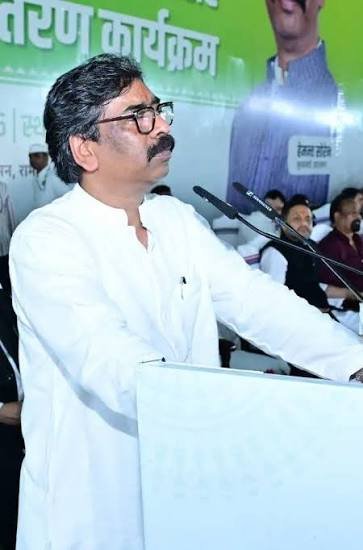
RANCHI: Jharkhand Chief Minister Hemant Soren on Monday announced sweeping changes to the state’s recruitment system, scrapping a series of examinations and recruitment processes amid weeks of protests by job aspirants over alleged irregularities and ordering a wider probe into examinations conducted over the past 12 years.
The Cabinet’s decision includes cancellation of all examinations and recruitment activities conducted through Lucknow-based TSR Data Processing Pvt Ltd (TDPL) since 2014, along with the Jharkhand Staff Selection Commission’s Combined Graduate Level (JSSC-CGL) examination. The government has also decided to annul the 14th Jharkhand Public Service Commission (JPSC) Combined Civil Services examination.
Soren’s announcements came against the backdrop of a sustained student agitation demanding action over alleged manipulation and other irregularities in recruitment examinations. The controversy has already led to arrests in the JPSC case, including employees and officials linked to the examination process, while a CID-led Special Investigation Team is probing the allegations.
“लड़े हैं तो जीते हैं… अड़े हैं तो हक लिया है”
झारखंड के छात्रों ने कर दिखाया, पूरा भारत आज खुशी मनाएगा l
झारखंड के छात्र-छात्राओं को इस ऐतिहासिक और अभूतपूर्व जीत की ढेरों बधाई l
लंबे आंदोलन के बाद मिली यह जीत सिर्फ एक सफलता नहीं, बल्कि अन्याय के खिलाफ हमारे हौसलों की गूंज… https://t.co/cl1mty4GKc pic.twitter.com/bm6NL0HBth
— Vishal M. Yadav (@VishalMYadav_) August 17, 2026
The Chief Minister said the government would not restrict its scrutiny to the examinations at the centre of the current controversy. The CID will examine examinations conducted in the state since 2014 to identify irregularities, regardless of their scale.
VIDEO | Jharkhand CM Hemant Soren says, “Today, we held a special Cabinet meeting to bring this matter to a conclusion. After considering all aspects and finding solutions to the issues, we have decided to cancel all examinations conducted by TDPL, the results published by TDPL,… pic.twitter.com/vPGtEHLSzK
— Press Trust of India (@PTI_News) August 17, 2026
The government has also decided to constitute a committee headed by IAS officer Amitabh Kaushal to recommend reforms in the recruitment and examination system. Soren said the administration was conscious of the concerns of protesting aspirants and would bring legislation aimed at strengthening safeguards in recruitment at the earliest.
Five major decisions
1. TDPL-linked examinations cancelled
The government has decided to cancel examinations and recruitment processes conducted through TDPL since 2014. The decision extends beyond a single disputed examination and covers the agency’s involvement in recruitment over the period under review.
2. JSSC-CGL scrapped
The Jharkhand Staff Selection Commission Combined Graduate Level examination has also been cancelled following demands from protesting aspirants.
3. Probe into exams since 2014
The CID will investigate alleged irregularities in examinations conducted in Jharkhand since 2014. The scope is intended to cover both major and relatively minor discrepancies rather than being limited to the examinations that triggered the latest protests.
4. Recruitment reforms committee
A committee headed by IAS officer Amitabh Kaushal will examine the existing recruitment architecture and suggest changes aimed at making examinations more transparent and resistant to manipulation.
5. New legislation promised
The government has said it will introduce stronger legal safeguards for recruitment examinations, responding to the demands of students who have been protesting against alleged irregularities.
What is TDPL’s role?
TSR Data Processing Pvt Ltd is a private examination-services agency based in Lucknow that has been associated with the conduct and processing of recruitment examinations for state bodies, including JSSC and JPSC.
Its role has come under intense scrutiny during the current controversy because it was involved in conducting examinations that are now being investigated. The agency has also faced previous blacklisting action over examination-related issues, according to reports. The Indian Express reported that JSSC had blacklisted TDPL in May 2025 over non-compliance with contractual requirements, but the agency was subsequently entrusted with examination work.
The controversy intensified after investigators began examining alleged links between people associated with the examination agency and the recruitment process. Among those arrested was Abhay Tiwari, also known as Manoj Kumar Tiwari, whom the CID has described as being associated with TDPL while also holding a government position. The allegations are under investigation and have not been established by a court.
The CID has since arrested several TDPL employees in connection with the JPSC investigation. The agency has formed an SIT to examine the alleged irregularities and identify others who may have been involved.
Why the cancellation is significant
The scale of the government’s response is notable because it goes beyond cancelling one disputed examination. By ordering a review of TDPL-linked examinations dating back to 2014, Jharkhand has effectively opened a 12-year window into the state’s outsourced examination system.
The move also places the focus on the role of private testing agencies in government recruitment. Such agencies typically provide technical and logistical services — including examination infrastructure, data processing and other operational support — while the recruiting commission remains responsible for the examination and selection process.
The TDPL controversy therefore raises a broader question: how much oversight should recruiting commissions exercise over private agencies handling sensitive examination operations?
How does Jharkhand’s approach compare with other exam reforms?
Jharkhand’s proposed overhaul is notable for combining cancellation, retrospective investigation and institutional reform rather than relying solely on a fresh examination.
Across India, states and examination bodies have increasingly responded to recruitment controversies through measures such as tighter control over question-paper custody, digital monitoring, biometric verification, CCTV surveillance, stronger vendor audits, encrypted examination material and specialised investigation teams.
READ: Smriti Irani, Vasundhara Raje Back in BJP National Team
READ: 2 More Air India Pilots Grounded After Failing First Drug Test
Jharkhand is now proposing an additional layer: a retrospective audit of examinations over several years and legislation specifically aimed at strengthening safeguards for aspirants.
The approach is also more disruptive. Cancelling examinations can protect the integrity of a selection process when serious irregularities are established or cannot be reliably isolated, but it also imposes a substantial cost on candidates who may have spent years preparing for government jobs.
That is the central challenge facing the Soren government: restoring confidence in recruitment without creating another cycle in which legitimate candidates are forced to repeatedly sit examinations because of failures in the system.
For thousands of aspirants, the credibility of the promised reforms will ultimately depend not merely on cancelling disputed examinations but on ensuring that the next recruitment cycle is demonstrably more transparent, independently monitored and protected from manipulation.