The transition from handwritten notes to a formally drafted letter, coupled with a softer negotiating stance after talks with Union ministers, has fuelled discussion over whether Wangchuk’s hunger strike has entered a new phase of engagement with the government.
BY Navin Upadhyay
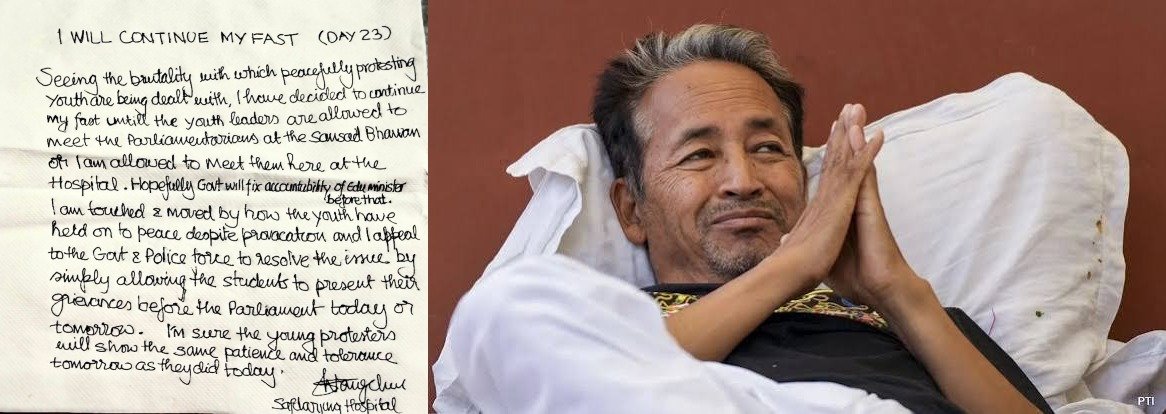
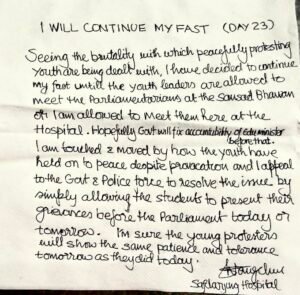
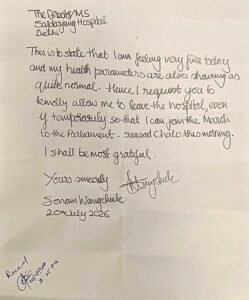
New Delhi/ July 22, 2026: After nearly a month of communicating through handwritten notes from his hospital bed, climate activist Sonam Wangchuk’s latest public message has attracted attention for a different reason—not because of what it says, but because of how it was presented.
The letter, dated July 22 and addressed to Union Ministers J.P. Nadda and Dr. Jitendra Singh, is a neatly typed, formally structured document that marks a noticeable departure from Wangchuk’s earlier handwritten messages issued during his indefinite hunger strike over alleged examination irregularities and education reforms.
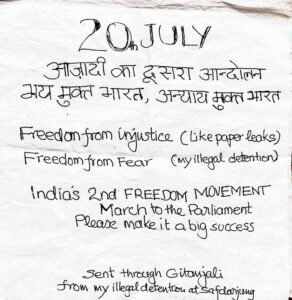
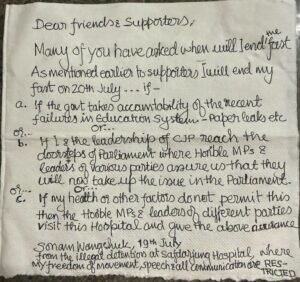
Throughout the fast, Wangchuk’s communications had been deeply personal. Written by hand, they carried an unmistakably emotional tone, detailing his health, reiterating his demands, condemning alleged police excesses against student protesters and urging continued peaceful mobilisation. Several of these notes were reportedly shared through family members and supporters while he remained under medical care.
AN APPEAL TO THE GOVERNMENT
regarding breaking my fast…
Once the assurance from govt come I will also appeal to the peacefully protesting students to halt the movement for now and enter into dialogue with the government pic.twitter.com/gR6S8woF5R— Sonam Wangchuk (@Wangchuk66) July 22, 2026
The latest letter, however, adopts a more formal and conciliatory tone. It thanks the two Union ministers for visiting him in hospital and acknowledges their assurance that the government would positively consider compensation for families of students who allegedly died by suicide following examination controversies, as well as a parliamentary discussion on accountability.
Rather than reiterating earlier demands in uncompromising terms, the letter identifies one principal condition for ending the fast: a clear assurance that no student or young protester would face retaliatory legal action for participating in the movement.
The shift in tone and presentation has prompted discussion among supporters and political observers.
Among the questions being asked is whether the change simply reflects a new phase of dialogue after direct engagement with senior members of the government. Others have noted that the letter appears professionally formatted compared with Wangchuk’s earlier handwritten notes.
READ: Sonam Wangchuk Ready to End Fast in Return for Assurances
Some observers have also wondered whether the document may have been typed with assistance from supporters, legal advisers or hospital staff—something that would not be unusual for a high-profile public figure undergoing prolonged medical treatment. There is no evidence that the letter was not written with Wangchuk’s knowledge or approval, nor has anyone associated with him suggested otherwise.
It is also common for public figures engaged in sensitive negotiations to receive assistance in drafting formal correspondence while ensuring that the final content reflects their views.
The change in language has likewise attracted attention. Earlier communications largely centred on demands such as accountability for examination irregularities and criticism of the government’s handling of student protests. The latest letter places greater emphasis on securing protection for young protesters from punitive action, while expressing appreciation for the ministers’ willingness to engage.
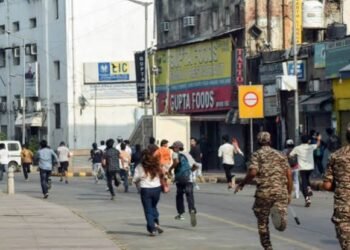
Another aspect of the letter that has drawn attention is what it does not say. Wangchuk’s earlier statement of July 20 had strongly criticised the police action against student protesters during the “Chalo Sansad” march, with organisers alleging that numerous students were injured in the crackdown and that several required hospitalisation, including claims that one young woman remained on ventilator support.
While these allegations have figured prominently in the wider debate, the July 22 letter makes no mention of action against police personnel or seeks an independent inquiry into the alleged use of excessive force.
For the moment, the format/language change has become a point of discussion alongside the substance of the message itself. Whether it ultimately marks the beginning of the end of Wangchuk’s fast—or simply another phase in an evolving dialogue between the activist and the government—will likely become clearer in the days ahead.