Residents of Gadhbar say they repeatedly alerted PWD officials after monsoon rains washed away the road, but the dangerous stretch remained unrepaired until an ambulance became trapped there during an emergency.
BY PC Bureau
AGRA — A road that residents say had been reported as dangerous for weeks became the scene of a two-hour ambulance ordeal on September 3, ending with the death of an unborn child and raising questions over whether timely repairs could have prevented the tragedy.
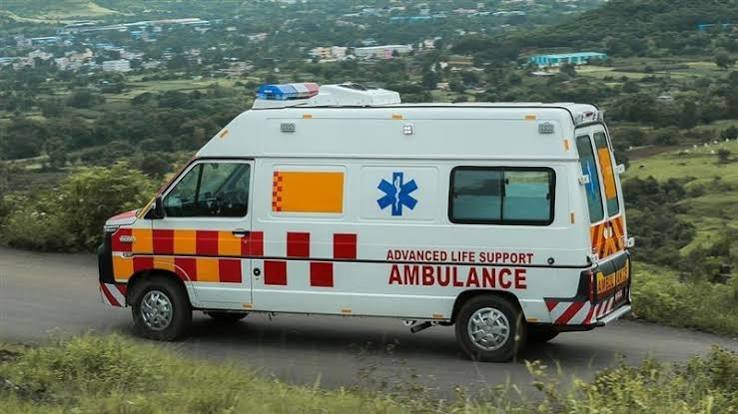
Nidhi, 25, wife of Pravendra Singh of Gadhbar village in Bah sub-division, went into active labour around 1 a.m. An ambulance reached the village soon after the emergency call. But instead of taking her swiftly to hospital, the vehicle became trapped in a large, water-filled pothole on the village link road.
The stretch connects Gadhbar to the main highway and is the only crucial road out of the village for emergency vehicles. Heavy monsoon rain had washed away part of the road about a month earlier, leaving a deep crater filled with mud and water.
The ambulance could neither move forward nor reverse. Villagers had to arrange a tractor to pull it out. Nearly two hours were lost before the vehicle could resume its journey.
Nidhi eventually reached the community health centre at about 3:30 a.m. Doctors found that the baby had died in the womb. They said obstetric complications had been compounded by the delay in reaching medical care. Emergency surgery was carried out and Nidhi survived.
In UP, ambulance gets stuck in pothole for 2 hrs; unborn baby dies
In UP’s Agra, pregnant Nidhi Singh went into labour on 2 September 2026. The family called for an ambulance which got stuck in a pothole. A tractor was called to pull the ambulance free. Two crucial hours were… pic.twitter.com/TDKyik81BA
— Piyush Rai (@Benarasiyaa) September 7, 2026
The central question now is not simply why the road collapsed during the monsoon, but why it remained in that condition after the authorities were allegedly alerted.
Residents say the damaged stretch had been brought to the attention of the local Public Works Department (PWD) junior engineer several times. They claim repeated requests for urgent repairs produced no timely intervention.
That raises questions about the maintenance of a road that had itself been repaired and constructed by the PWD only about six months earlier. If a recently completed or repaired road was damaged within months, what inspection was carried out after the monsoon damage, and why was an emergency repair not undertaken when the road became impassable?
READ: Ukraine Weighs Legalising Pornography to Raise War Chest
The consequences became stark on September 3. An ambulance — the vehicle meant to provide the fastest possible link between a remote settlement and medical care — was rendered helpless by a road defect that residents say was already known to officials.
The matter was raised again on Saturday at Sampoorna Samadhan Diwas at Bah tehsil. Villagers demanded a permanent cement-concrete road and sought accountability from officials over the death.
Bah Sub-Divisional Magistrate Vinod Kumar confirmed that the complaint had been recorded at the public hearing. PWD officials present were told that soil erosion had made the stretch dangerous. Kumar said repairs would be completed as soon as possible and that the circumstances surrounding the incident were under inquiry.
The inquiry will have to establish, among other things, when the road was first reported damaged, whether the PWD inspected it, what action was ordered, and why the stretch remained hazardous despite repeated complaints.
The tragedy also exposes a larger weakness in rural emergency healthcare. An ambulance can be available, a health centre can be functioning and doctors can be ready to treat a patient — but all three become irrelevant if the road connecting a village to the hospital fails.
For Gadhbar residents, the issue is therefore bigger than one pothole. They are asking why a road repaired only months earlier was allowed to deteriorate into an obstacle for emergency vehicles, why warnings allegedly went unanswered, and whether the loss of a child’s life could have been avoided if the road had been made motorable in time.
The promised repairs may make the road safer for the next emergency. They cannot restore the two hours lost on September 3 — or the life that was lost during them.