

At least 257 people have been killed by landmines and unexploded ammunition in Afghanistan school and streets in 2026, with children accounting for most fatalities.
BY PC bureau
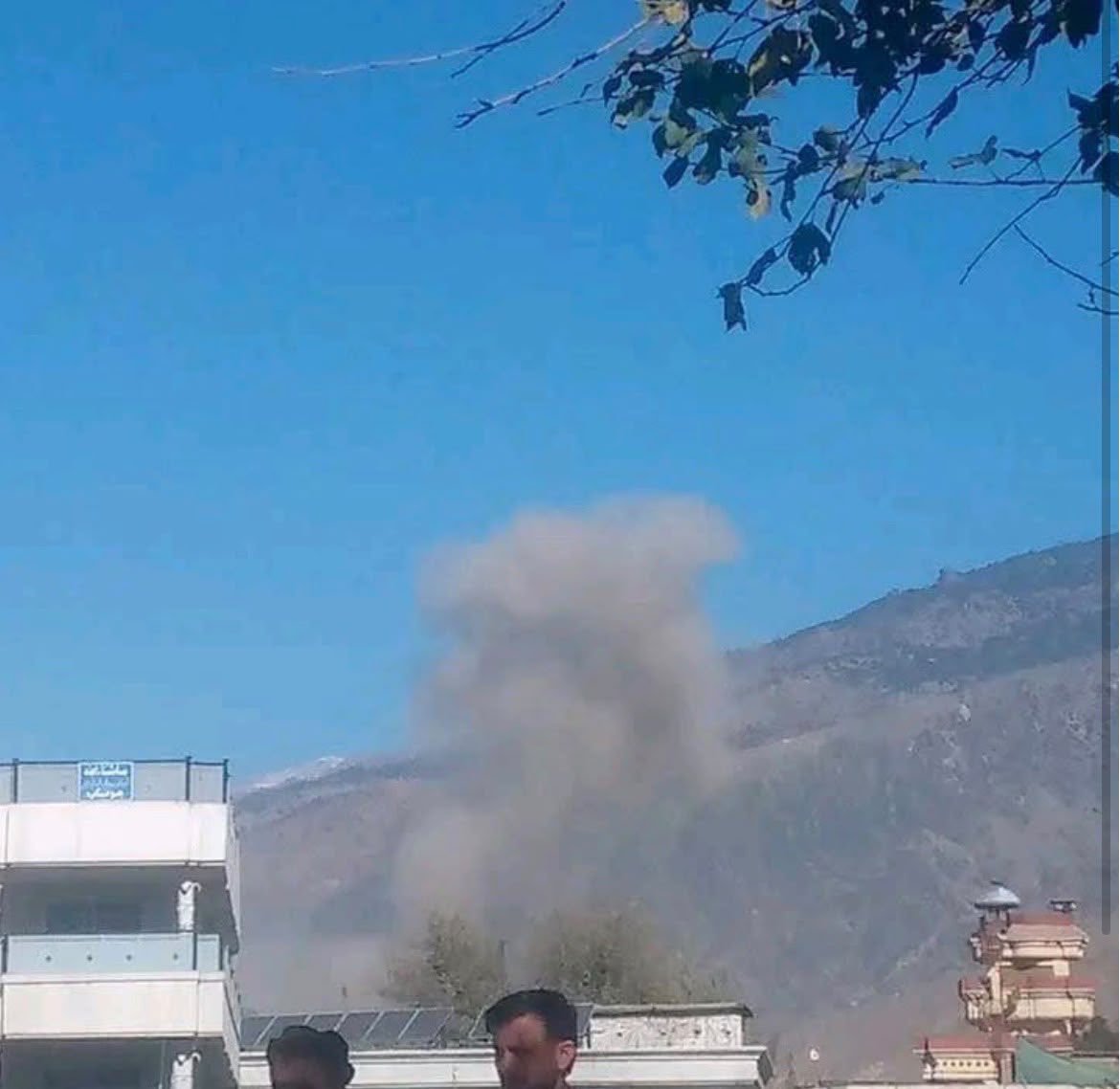
November 28, 2026: Several students were killed or injured when an explosion ripped through a middle school in Afghanistan eastern Kunar province on Saturday morning, police said. Authorities have not yet established the cause of the blast or confirmed the exact number of casualties.
Farid Dehqan, spokesperson for the Kunar Provincial Police Headquarters, said the explosion occurred at around 10 am local time at a school in the Andar Ser area. He confirmed that several students were among those killed or wounded but did not provide further details.
Investigative teams were dispatched to the scene, and authorities began examining the circumstances surrounding the explosion. There was no immediate indication whether it was caused by unexploded ammunition, an accidental detonation or a deliberate attack.
Kunar, which shares a border with Pakistan, has experienced prolonged insecurity and the effects of decades of armed conflict. The latest incident has renewed concerns over the safety of children in a country where landmines, old mortar shells, grenades and other explosive remnants continue to pose a serious threat.
Update: According to local sources, the incident was a bomb blast at a primary school. Asadabad police spokesperson in Kunar province has confirmed the explosion but has not yet released details regarding casualties. https://t.co/bseaXyOtIe
— Mahaz (@MahazOfficial1) November 28, 2026
A series of explosions involving Afghanistan’s students
The Kunar blast follows several recent incidents involving explosive devices at schools and in areas where children gather.
On November 20, an old mortar shell exploded at a religious school in Bakwah district of western Farah province, killing four students aged between 10 and 16 and injuring two others. Police said the students had found the unexploded shell during a break and taken it inside the madrassa. It detonated when younger students handled it.
🔴Children were killed and wounded in a bombing that targeted a school in Kunar province, eastern Afghanistan. https://t.co/sKGUizQny2
— Abraracursix abdala (@Abraracurs64713) November 28, 2026
On November 24, another explosion at the Mullah Najib Madrasa in Tagab district of eastern Kapisa province killed one student and injured two others. Local authorities said a student had found an old explosive device and was handling it when it detonated. One of the injured students later died in hospital.
In a separate incident on November 26, nine teenagers were injured in an explosion in Gadi village in the Hazrat Sultan district of northern Samangan province. Police said the teenagers had been playing with a hand grenade left behind from previous conflicts. They were taken to Samangan Provincial Hospital for treatment.
The incidents underline how explosive devices left behind by successive wars continue to endanger children, even in places far removed from active fighting.
READ: From Nitish to Stalin and Pawar: Congress’ Coalition Failures
Children account for most explosive-ordnance casualties
The scale of the problem is reflected in figures released by Afghanistan’s disaster management authorities. At least 257 people were killed and another 87 injured in landmine and unexploded-ordnance explosions across the country between January and November 2026.
Children accounted for 189 of the deaths and 73 of the injuries, according to figures reported by the Afghanistan National Disaster Management Authority. The authorities have also estimated that more than 900 square kilometres of land remains contaminated by mines and unexploded ammunition.
A United Nations humanitarian assessment published in October reported 324 civilian casualties from explosive ordnance between January and September. Nearly eight out of every 10 people killed or injured were children.
The assessment also identified 898 educational facilities and 209 healthcare facilities within one kilometre of known hazardous areas. It warned that contamination restricts access to schools, farmland, healthcare and other essential services.
Afghanistan has been left with extensive minefields and unexploded ammunition after more than four decades of conflict involving foreign forces and rival Afghan factions. The return of hostilities along the Afghan-Pakistani border has also created new contamination in some areas.
Kabul school explosion raised further concerns
The danger is not limited to old ammunition. In August, an explosion involving a hand grenade at an education centre in Kabul’s Dasht-e-Barchi neighbourhood injured at least 42 children aged between nine and 14.
The United Nations called for an investigation into the incident. The blast raised concerns about attacks on educational facilities as well as the wider vulnerability of children in conflict-affected communities.
A UN report covering the period from January 2023 to December 2025 documented 1,415 children killed or maimed in Afghanistan, with explosive ordnance responsible for about 80 per cent of the casualties.
Calls for expanded mine-clearance operations
Humanitarian organisations have repeatedly urged the authorities and international agencies to expand mine-clearance operations and provide children with better education about the dangers of unexploded devices in Afghanistan schools.
Groups such as The HALO Trust have been involved in mine clearance and risk-awareness programmes. However, the scale of contamination, funding shortages and continuing security concerns have made the task difficult.
The United Nations has warned that children are particularly vulnerable because they may mistake grenades, shells and other explosive objects for toys or scrap metal. Families returning to areas affected by conflict may also be unaware of the dangers around their homes and villages.
As of Saturday afternoon, Kunar police had not released a detailed casualty count or identified the cause of the school explosion. The identities of the victims and the extent of their injuries were also not immediately available.
The investigation is continuing.