

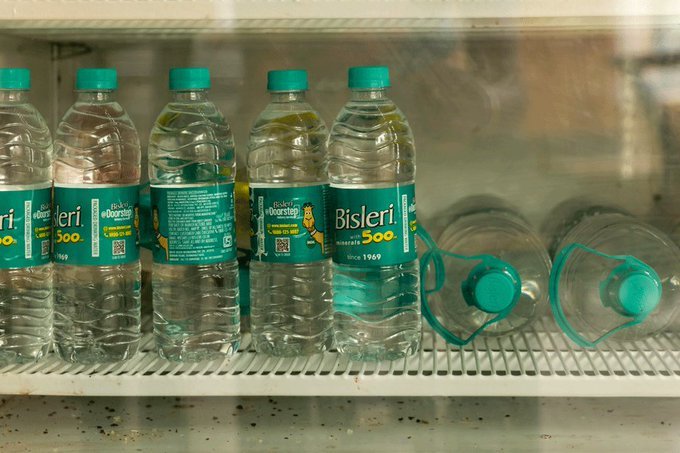
The latest action against Bisleri follows a separate prosecution approval involving a water sample from the company’s Goa facility.
BY PC Bureau
November 28: Packaged drinking water manufacturer Bisleri has come under renewed scrutiny from food safety authorities, with the Food Safety and Standards Authority of India (FSSAI) approving prosecution in a case involving a contaminated water sample from its West Bengal plant.
The sample, collected from the company’s facility in Telipara village in Jalpaiguri district, failed laboratory tests after coliform bacteria were detected. Both the primary and referral laboratories confirmed the presence of the bacteria, which can indicate contamination from sources such as sewage leaks or damaged pipelines.
On August 12, 2026, the regulator prohibited the sale of the affected Bisleri batch, identified as PB 201.
This is the second recent instance of the FSSAI approving prosecution against Bisleri. Earlier, the regulator initiated action over a sample collected from one of the company’s plants in Goa. The sample initially exceeded the prescribed bromate limits and was declared unsafe under the Food Safety and Standards Act, 2006.
After Bisleri challenged the findings, a referral laboratory also classified the sample as unsafe, citing the presence of polynuclear aromatic hydrocarbons (PAHs).
READ: Congress Hits Out at Sharad Pawar’s NCP Over Delimitation Support
Bisleri has maintained that its products are safe for consumption. The company said third-party laboratory tests found the West Bengal sample safe and that it would cooperate with the FSSAI investigation. Responses from the company and the regulator on the latest developments were not immediately available.
The action comes amid wider FSSAI surveillance of packaged drinking water and mineral water manufacturers across the country.
FSSAI CEO Rajit Punhani has said samples are being collected nationwide, with laboratory results expected within one to two months. He said the exercise was aimed at ensuring regulatory compliance and not creating panic among consumers.
The regulator has also directed state food commissioners and regional directors to step up inspections, surveillance and sampling of manufacturing units.