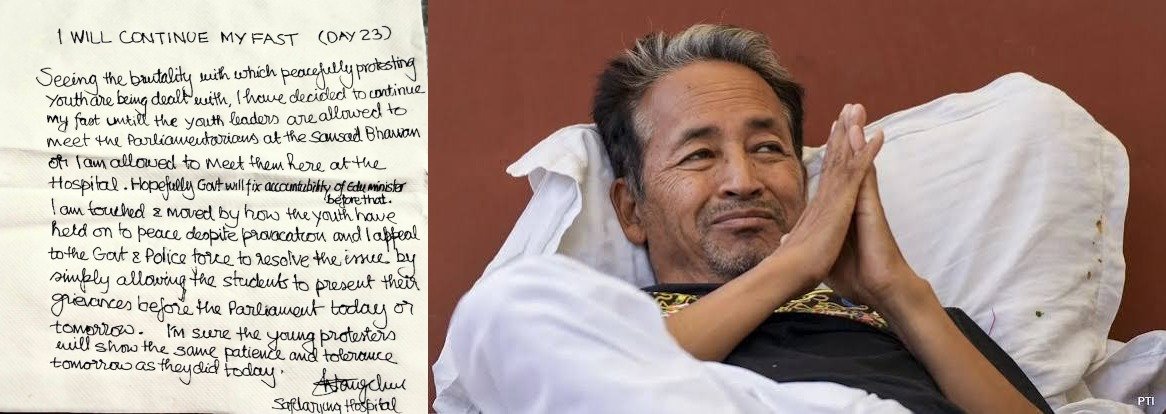
In a handwritten note, Wangchuk condemned the police crackdown on peaceful protesters marching to Parliament, calling it “brutality” and urging young demonstrators to continue their movement peacefully despite the violence.
BY PC Bureau
New Delhi, July 20: Climate activist and education reform campaigner Sonam Wangchuk on Monday vowed to continue his indefinite hunger strike from Safdarjung Hospital until student representatives are allowed to present their grievances directly to Members of Parliament at Parliament House or he is permitted to meet them at the hospital.
The announcement came on the 23rd day of his fast, hours after police cracked down on thousands of students and youth activists marching towards Parliament during the opening day of the Monsoon Session. Wangchuk, who has been admitted to Safdarjung Hospital since being taken into police custody on Saturday, said he could not end his fast while peaceful protesters were facing what he described as “brutal” treatment.
In a handwritten note released from his hospital bed, Wangchuk expressed anguish over the police action against demonstrators and declared that the struggle would continue until the voices of young people reached Parliament.
“Seeing the brutality with which peacefully protesting youth are being dealt with, I have decided to continue my fast until the youth leaders are allowed to meet the parliamentarians at the Sansad Bhawan or I am allowed to meet them here at the hospital,” he wrote.
Day #23
I’ll continue my fast……….. pic.twitter.com/rfohA8iMkx— Sonam Wangchuk (@Wangchuk66) July 20, 2026
The activist also said he hoped the government would ensure accountability from the Union Education Minister before any resolution was reached. Praising the discipline shown by the protesters despite the crackdown, he urged them to remain peaceful and patient throughout the movement. The note was signed from Safdarjung Hospital.
Earlier in the day, Wangchuk also wrote to the Medical Superintendent of Safdarjung Hospital, stating that he was “feeling very fine” and requesting temporary permission to leave the hospital to join the “Sansad Chalo” march organised by the Cockroach Janata Party (CJP). He said he wished to participate peacefully alongside students before returning for medical care.
Wangchuk has been on an indefinite hunger strike since June 28, when he launched the protest at Jantar Mantar in solidarity with the CJP-led movement demanding sweeping reforms in India’s education system. The agitation gained momentum after allegations of irregularities in competitive examinations, particularly the NEET paper leak controversy, and has since expanded into a broader campaign seeking transparency, accountability and structural reforms in public education.
The protesters are demanding the resignation of Union Education Minister Dharmendra Pradhan, a judicial probe into examination irregularities, improved conditions in government schools and comprehensive reforms aimed at restoring public confidence in the country’s education system.
Wife appeals for dialogue
Wangchuk’s wife, Gitanjali J. Angmo, appealed to the Centre to open talks with the protesters, saying the movement now reflected the aspirations of millions of young Indians.
Claiming that nearly 25 lakh young people across the country had expressed support for the campaign, she said the protest highlighted deep-rooted problems in education policy and governance.
“Good governance means listening to the voices of the youth and resolving this matter without delay,” she said.
She reiterated the three conditions laid down by Wangchuk for ending his fast:
- The Union Education Minister must accept responsibility and step down.
- The government must assure that education-related issues will be discussed during the ongoing Monsoon Session of Parliament.
- Concrete action must be initiated on the memorandum submitted by the protesters, including measures to address the NEET paper leak, improve government schools and implement broader educational reforms.
Hospital stay sparks controversy
Wangchuk and his supporters have alleged that his transfer from the protest site to Safdarjung Hospital amounted to an “illegal detention”, claiming that restrictions have been imposed on his movement and communication despite his stable medical condition.
Doctors are continuing to monitor his health closely. Although hospital sources have reported that his condition remains stable, they have also noted significant weight loss after more than three weeks without food and said continuous medical supervision remains necessary.
READ: No Breakthrough in Talks, CJP Vows to Continue Protest
Parliament march faces police action
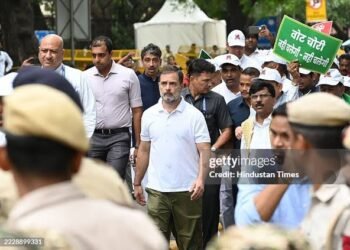
The CJP’s “Sansad Chalo” march, organised to coincide with the first day of the Monsoon Session, witnessed a massive turnout of students and youth activists from across the country. Protesters attempted to march towards Parliament to press MPs to take up the education crisis.
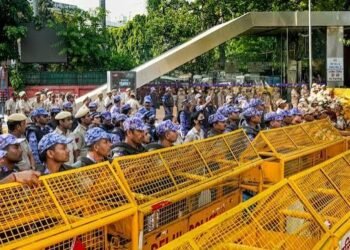
The demonstration, however, was met with heavy police deployment, barricades and restrictions in central Delhi. Clashes broke out at several locations as security personnel prevented marchers from advancing towards Parliament, with reports of detentions, baton charges and the use of tear gas against sections of the crowd.
Throughout his fast, Wangchuk has described the campaign as a struggle for “freedom from injustice” in India’s education system and “freedom from fear” in exercising democratic rights. Even from his hospital bed, he renewed his appeal for non-violence, urging protesters to remain calm despite the police action.
With the Monsoon Session now underway and public attention focused on the student movement, the coming days are expected to determine whether the government opens a dialogue with the protesters or whether Wangchuk’s indefinite fast enters an even more critical phase. His supporters have made it clear that the agitation will continue until their demands receive a substantive response from Parliament and the Union government.