US President Donald Trump has dramatically escalated tensions with Iran, warning of sweeping military action if a peace deal is not reached before his deadline. His remarks included threats to target key infrastructure such as power plants and bridges—raising global concern over the potential humanitarian impact.
BY PC Bureau
April 6, 2026: US President Donald Trump has issued a stark ultimatum to Iran, warning that the United States could launch sweeping attacks across the country if a peace agreement is not reached before his Tuesday deadline, dramatically escalating tensions in the region.
The threat, which includes potential strikes on infrastructure critical to civilian life, has triggered alarm among international observers, with experts cautioning that such actions could violate international humanitarian law. Tehran, in turn, has warned of retaliatory strikes targeting key infrastructure in Israel and Gulf nations, raising fears of a broader regional conflict.
What Trump said
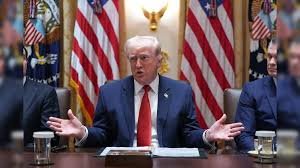
In multiple interviews with American media outlets, Trump made clear that time was running out for diplomacy.
“There is a good chance, but if they don’t make a deal, I am blowing up everything over there,” he said, according to reports by Axios and Fox News.
The US president claimed that Iran had already been “decimated,” warning that conditions inside the country would deteriorate further if negotiations fail.
Speaking to ABC News, Trump suggested that Iran would face repeated destruction of its infrastructure. “Every day they’re going to have to build more bridges, more power plants, and everything else,” he said, adding that no country had “ever taken a pounding like that.”
He also dismissed concerns about civilian casualties, arguing that segments of the Iranian population opposed to their government might support such actions if they weakened the regime. “They are living in fear… but we are not going to leave in the middle of the war,” he said.
JUST IN: 🇺🇸🇮🇷 President Trump threatens to blow up “everything” and seize Iran’s oil if a deal is not reached. pic.twitter.com/UKaaCmOp2n
— BRICS News (@BRICSinfo) April 5, 2026
Diplomatic efforts falter
Despite the rhetoric, backchannel diplomacy has continued. Over the past two weeks, Washington and Tehran have engaged in indirect negotiations through intermediaries including Pakistan, Egypt, and Turkey.
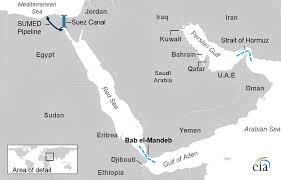
The talks have reportedly focused on a possible ceasefire arrangement linked to reopening the strategically vital Strait of Hormuz, through which a significant portion of global oil supply passes.
However, mediators remain pessimistic about the chances of a breakthrough before the deadline, though efforts are ongoing to secure at least a temporary arrangement to delay escalation.
READ: Whole Region Will Burn”, Iran Slams Trump’s Rant
Escalating threats
Trump intensified his warning in a post on his Truth Social platform, outlining potential strikes on Iran’s civilian infrastructure.
“Tuesday will be Power Plant Day, and Bridge Day… There will be nothing like it,” he wrote, also demanding that Iran reopen the Strait of Hormuz.
The language of the post, unusually blunt even by Trump’s standards, has further heightened concerns about the risk of imminent military action.
Iran’s response
Iranian officials responded sharply. Parliament speaker Mohammad Bagher Ghalibaf accused Trump of reckless brinkmanship, warning that his actions could drag the United States into a “living hell.”
Ghalibaf also alleged that Trump was acting in line with the interests of Benjamin Netanyahu, and urged Washington to respect Iran’s sovereignty and avoid further escalation.
He warned that any attack on Iranian infrastructure would be met with proportional retaliation, potentially targeting critical assets across the region.
Growing risk of wider conflict
With both sides hardening their positions and diplomatic channels struggling to deliver results, the risk of a wider regional confrontation appears to be rising. Analysts warn that any large-scale strike on Iran could trigger a chain reaction involving multiple actors across the Middle East, disrupting global energy markets and further destabilizing the region.