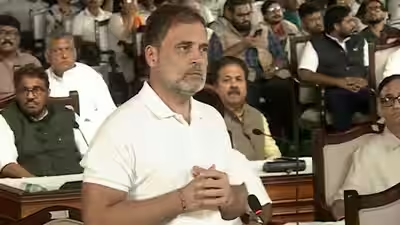
The INDIA bloc adopted a six-point resolution accusing CEC Gyanesh Kumar of electoral manipulation, mass voter deletions, changes to Form 6 and centralisation of electoral rolls through ECINET. The allegations were presented at a symbolic public proceeding at Mallikarjun Kharge’s residence.
BY PC Bureau
New Delhi, October 31, 2026: Leader of the Opposition Rahul Gandhi on Saturday issued a sharp warning to Chief Election Commissioner Gyanesh Kumar and the BJP leadership, declaring that the CEC would not remain in office and that the opposition would hold those allegedly involved in electoral manipulation accountable.
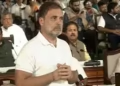
Speaking at the INDIA bloc’s symbolic public impeachment proceedings at Congress president Mallikarjun Kharge’s residence in New Delhi, Gandhi said the opposition had gathered what he described as sufficient evidence against Kumar. “He is not going to survive as the Chief Election Commissioner,” Gandhi said, warning that the BJP would expose itself if it continued to defend the poll panel chief after the opposition made its allegations public.
READ: Three Kuki-Zo Civilians Killed in Militant Attack in Noney
Gandhi described the gathering of MPs from both Houses of Parliament, opposition leaders and citizens as a political challenge to the Election Commission and the ruling establishment. He called it a “political weapon” directed not only at Kumar but also at Prime Minister Narendra Modi, Union Home Minister Amit Shah and others whom the opposition accuses of undermining the electoral process.
“They will not always hide behind that institution,” Gandhi said, arguing that those accused of compromising the integrity of elections would eventually have to answer to the people’s representatives. He accused the CEC of acting as an instrument of the ruling establishment and warned that the opposition would not allow those responsible to evade accountability.
Gandhi also endorsed the demand that Kumar be removed from office and prosecuted. “I fully support the motion that Mr Gyanesh Kumar should not only be impeached but should also be tried in a court of law for treason so that justice can be served,” he said.
🔹Why are we holding this impeachment proceeding in a garden?
👉Because we have no other option. Every single institution is closed to us.
I don’t think anything like this has ever happened in history: the entire Opposition sitting in a garden to discuss the impeachment of the Chief Election Commissioner of India.
: LoP Shri @RahulGandhi on the Public Impeachment of CEC Gyanesh Kumar
— Congress (@INCIndia) October 31, 2026
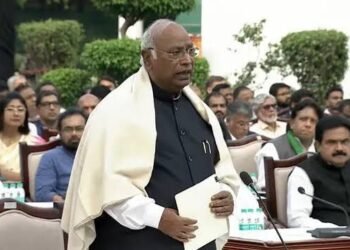
The proceedings, presided over by former Lok Sabha Speaker Meira Kumar, were organised by the Congress-led INDIA bloc as a public demonstration against what it calls electoral manipulation and irregularities in the Special Intensive Revision (SIR) of voter lists. Kharge moved a resolution setting out six charges against the CEC. It was adopted through a show of hands.
Six Charges Against Gyanesh Kumar
The first charge accused Kumar of participating in an alleged conspiracy to manipulate national and state elections by allowing unauthorised access to electoral rolls and facilitating the addition or deletion of voters to influence results.
The second alleged that the SIR exercise had resulted in the deliberate deletion of 13.2 crore voters. The opposition claimed that the process was opaque, partisan and deprived eligible citizens of their constitutional right to vote.
The third charge concerned alleged changes to Form 6, used for the enrolment of new voters. The resolution accused Kumar of amending the form under the Registration of Electors Rules, 1960, without parliamentary oversight, allegedly making it more difficult for first-time voters to register.
The fourth allegation concerned the use of ERONET and ECINET software. The opposition claimed that the platforms had centralised control over electoral rolls and restricted the ability of local Electoral Registration Officers to add legitimate voters while facilitating deletions.
The fifth charge accused Gyanesh Kumar of excluding the other two Election Commissioners from important decisions. The resolution claimed that the commissioners had recorded at least 14 objections, raising questions about the functioning and collective decision-making of the Election Commission.
The sixth charge alleged that Kumar had compromised the constitutional independence of the Election Commission by acting at the behest of Modi and Shah. The resolution accused him of denying opposition parties a fair hearing and alleged that members of his family had received benefits, including favourable postings and financial opportunities, in return for his alleged compliance with the ruling establishment.
These allegations were presented by the opposition against Gyanesh Kumar as evidence of a wider conspiracy to undermine electoral democracy. They have not been established through an independent judicial finding, and the resolution adopted at the gathering does not constitute a formal parliamentary or constitutional removal proceeding.
The resolution concluded by demanding Kumar’s removal and prosecution for what it described as a betrayal of the people and the Constitution. It also challenged the legal protection available to the CEC under the Chief Election Commissioner and Other Election Commissioners (Appointment, Conditions of Service and Term of Office) Act, 2023, alleging that the provision shields the office-holder from accountability.
The BJP dismissed the exercise as political theatre and a mockery of Parliament. Party leaders questioned the opposition’s decision to stage a mock parliamentary proceeding outside the legislature and accused Rahul Gandhi of avoiding substantive debate within Parliament. The BJP also defended the legal safeguards available to the CEC.
The public impeachment was part of the INDIA bloc’s wider campaign against alleged vote manipulation and the SIR exercise. The opposition has also announced a rally at Delhi’s Ramlila Maidan on November 1 under the slogan “Vote Bachao, Desh Bachao”.
While the proceedings carried no formal constitutional or legal force, the opposition sought to use the gathering to build public pressure on the Election Commission and the Union government. The confrontation has brought the independence of the poll panel, the revision of electoral rolls and the accountability of constitutional authorities to the centre of the political debate.