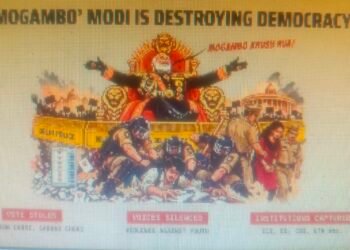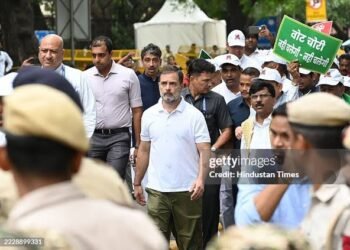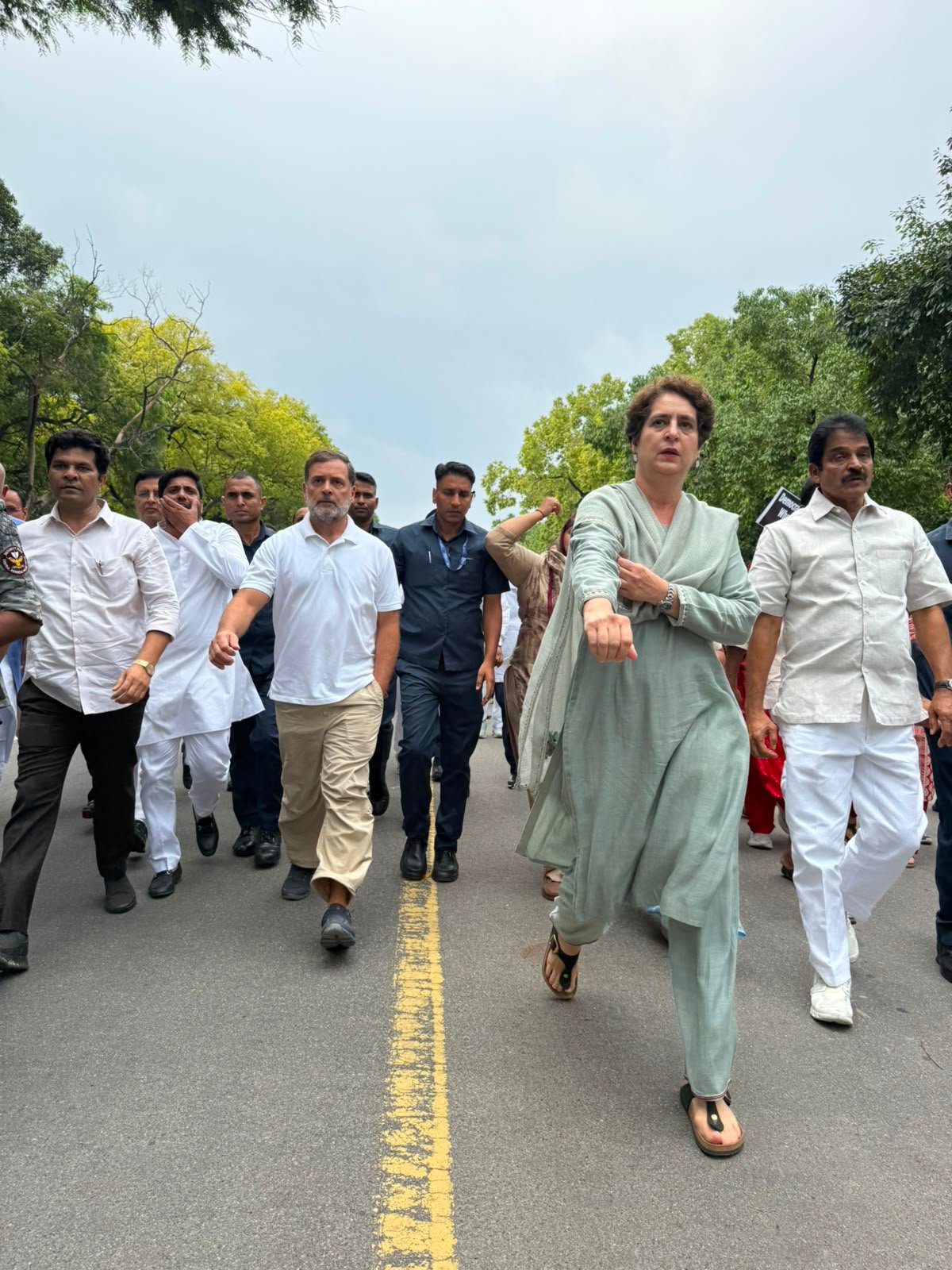
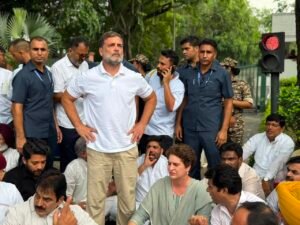
New Delhi: Congress leader and Leader of Opposition in the Lok Sabha, Rahul Gandhi, along with Congress President Mallikarjun Kharge and MP Priyanka Gandhi Vadra, led a protest march to Prime Minister Narendra Modi‘s residence on Tuesday, demanding accountability over the alleged NEET paper leak and police action against protesters during Monday’s demonstration.
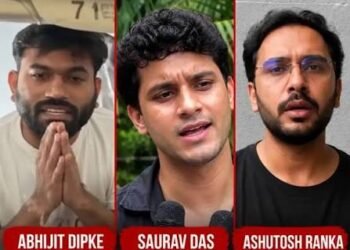
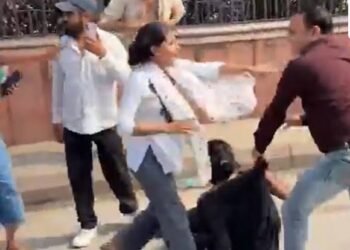
The protest comes a day after the Cockroach Janta Party (CJP)-led march to Parliament, which witnessed clashes between protesters and security personnel. Demonstrators alleged excessive use of force, including lathi charges and tear gas, while Delhi Police accused protesters of engaging in violence and damaging public property.
Congress Marches Towards Prime Minister’s Residence
Congress workers gathered at Mallikarjun Kharge‘s residence at 10, Rajaji Marg, before marching towards Prime Minister Narendra Modi’s official residence at 7, Lok Kalyan Marg in New Delhi.
The demonstration was aimed at pressing the Central Government for answers regarding the alleged NEET paper leak controversy and seeking justice for students who were reportedly injured during the previous day’s protests.
Union Minister Jitendra Singh Meets Rahul Gandhi
In a significant development, Union Minister of State in the Prime Minister’s Office (PMO), Dr. Jitendra Singh, visited the protest site and held discussions with Rahul Gandhi for several minutes.
The meeting drew considerable attention as the Union Minister directly engaged with opposition leaders amid growing political tensions over the issue. The conversation was reportedly recorded by individuals present at the protest venue.
NEET Paper Leak Protest Turns Violent
The Cockroach Janta Party’s protest march to Parliament on Monday primarily comprised students and young protesters demanding the resignation of Union Education Minister Dharmendra Pradhan over alleged examination paper leaks, including NEET.
According to CJP representatives, several protesters sustained injuries due to police action involving lathi charges and tear gas shells deployed by Delhi Police and the Rapid Action Force (RAF).
However, Delhi Police presented a contrasting version of events. Authorities alleged that protesters displayed aggressive and violent behaviour by attacking police personnel with stones, vandalising police vehicles, and attempting to breach security arrangements.
Delhi Police stated that at least 118 police personnel, including senior officers, were injured during the clashes.
Rahul Gandhi Demands Resignation of PM Modi and Amit Shah
Taking to social media platform X, Rahul Gandhi criticised the government’s handling of the protests and accused it of suppressing democratic voices.
He stated that the Congress protest sought accountability from the Prime Minister for the alleged police brutality against students. Going beyond the demands raised by CJP, Gandhi called for the resignations of Prime Minister Narendra Modi and Union Home Minister Amit Shah.
According to Rahul Gandhi, the government has failed to address concerns regarding the future of India’s youth and has not allowed adequate discussion on the matter in Parliament.
Congress Alleges Opposition Voices Were Silenced in Parliament
Both Houses of Parliament witnessed disruptions during the first two days of the Monsoon Session. Opposition parties, including Congress, attempted to raise issues related to the NEET paper leak and the police action against protesters.
Mallikarjun Kharge alleged that opposition leaders were not permitted to speak on the issue in Parliament. He questioned the functioning of democratic institutions and expressed concern over the government’s unwillingness to engage in a parliamentary debate.
Congress leaders maintained that their protest outside the Prime Minister’s residence was peaceful and intended solely to seek answers from the government.
BJP Raises Security Concerns
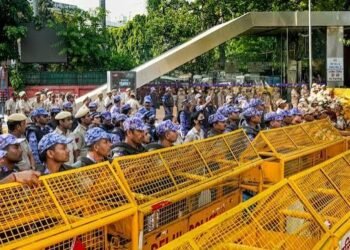
Following the Congress march, Delhi Police deployed additional security personnel near the Prime Minister’s residence and detained several protesters.
The Bharatiya Janata Party (BJP) criticised the Congress protest, alleging that it compromised the Prime Minister’s security. Congress leaders rejected these allegations and reiterated that the demonstration was conducted peacefully.
Congress MP Manickam Tagore stated that the protest was necessary because the opposition had been unable to raise the matter effectively in Parliament.
Government Engages With Protesters
Union Health Minister J.P. Nadda reportedly held meetings with representatives of the protesting group on Monday. He also visited Ram Manohar Lohia (RML) Hospital and Lady Hardinge Medical College and Hospital to meet individuals injured during the protests.
The Central Government has stated that it remains open to dialogue with protesters and is willing to consider their demands. However, it has also made it clear that violent demonstrations will not be tolerated.
Prime Minister Modi Addresses NEET Paper Leak Issue
Prime Minister Narendra Modi addressed the NEET paper leak controversy during the NDA Parliamentary Party meeting. According to Union Minister Kiren Rijiju, the Prime Minister described preventing examination paper leaks as a national responsibility.
The Prime Minister reportedly informed NDA allies that the government acted swiftly after reports of the NEET paper leak surfaced, leading to arrests and legal action against those allegedly involved.
He also appealed for constructive cooperation between political parties in Parliament and emphasised the shared responsibility of safeguarding the future of India’s youth.
Political Debate Over Examination Integrity Continues
The NEET paper leak controversy has sparked nationwide political and public debate regarding examination integrity, student welfare, and accountability in the education system. With opposition parties intensifying their protests and the government defending its response, the issue is expected to remain a major topic during the ongoing Monsoon Session of Parliament.