Modi expressed deep concern over civilian casualties and infrastructure damage, urging de-escalation and emphasizing that dialogue and diplomacy remain the only viable path to restore stability.
BY PC Bureau
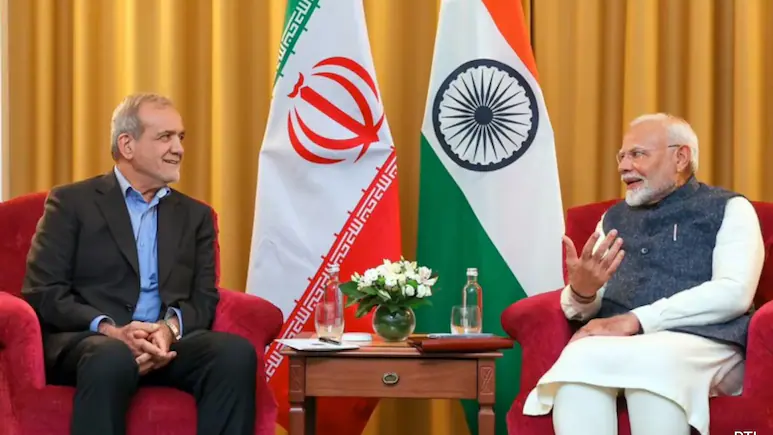
New Delhi, March 12, 2026 — Prime Minister Narendra Modi held a phone conversation with Iranian President Masoud Pezeshkian on Thursday to discuss the rapidly escalating conflict in the Middle East, with both sides reviewing the regional security situation and its implications for civilians, trade routes, and energy supplies.
The conversation — the first direct contact between the two leaders since the conflict involving Iran erupted last month — comes as tensions across West Asia continue to rise following a series of military strikes and retaliatory attacks.
In a late-night post on X, Modi said the discussion focused on the worsening humanitarian and security situation in the region.
“Had a conversation with Iranian President Dr. Masoud Pezeshkian to discuss the serious situation in the region. Expressed deep concern over the escalation of tensions and the loss of civilian lives as well as damage to civilian infrastructure,” the Prime Minister said.
Modi reiterated that India supports efforts aimed at reducing tensions through dialogue.
“The safety and security of Indian nationals, along with the need for unhindered transit of goods and energy, remain India’s top priorities. Reiterated India’s commitment to peace and stability and urged for dialogue and diplomacy,” he added.
READ: Mockery of Governance in Manipur: Naga Body Issues Eviction Dictat After Killing of Kuki Men
Had a conversation with Iranian President, Dr. Masoud Pezeshkian, to discuss the serious situation in the region.
Expressed deep concern over the escalation of tensions and the loss of civilian lives as well as damage to civilian infrastructure.
The safety and security of…
— Narendra Modi (@narendramodi) March 12, 2026
Regional conflict intensifies
The crisis began on February 28 after Israel and the United States carried out strikes on Iranian targets that reportedly killed Iran’s Supreme Leader Ali Khamenei, triggering a chain of retaliatory actions across the region.
Iran subsequently launched attacks against Israeli positions and U.S. military facilities in the Middle East, raising fears of a broader regional war and disrupting maritime traffic in critical shipping lanes.
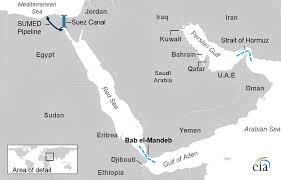
The conflict has also heightened concerns about global energy markets and the safety of vessels passing through the strategically vital Strait of Hormuz, through which a significant share of the world’s oil supply is transported.
Diplomatic outreach from New Delhi
Earlier in the day, India’s External Affairs Minister Subrahmanyam Jaishankar spoke with Iranian Foreign Minister Abbas Araghchi, focusing on maritime security and energy supply concerns.
According to the Ministry of External Affairs, the two leaders discussed measures to ensure the safe passage of commercial vessels and the stability of energy shipments in the region.
External Affairs Ministry spokesperson Randhir Jaiswal confirmed that the ministers have spoken multiple times in recent days as the crisis deepens.
“External Affairs Minister and the Foreign Minister of Iran have had three conversations in recent days. The last one discussed issues pertaining to the safety of shipping and India’s energy security. Beyond that, it would be premature for me to say anything,” Jaiswal said during a media briefing.
Safety of Indians in Iran
The government also said it is closely monitoring the situation of Indian nationals in Iran. Around 9,000 Indians — including students, professionals, seafarers, businesspeople and pilgrims — are currently in the country, according to official estimates.
Authorities said steps are being taken to remain in contact with the community and provide assistance where necessary.
India has significant strategic and economic interests in the Middle East, including energy supplies, shipping routes, and a large expatriate population across the region. Officials said New Delhi will continue engaging with regional stakeholders while advocating restraint and diplomatic solutions to prevent further escalation.