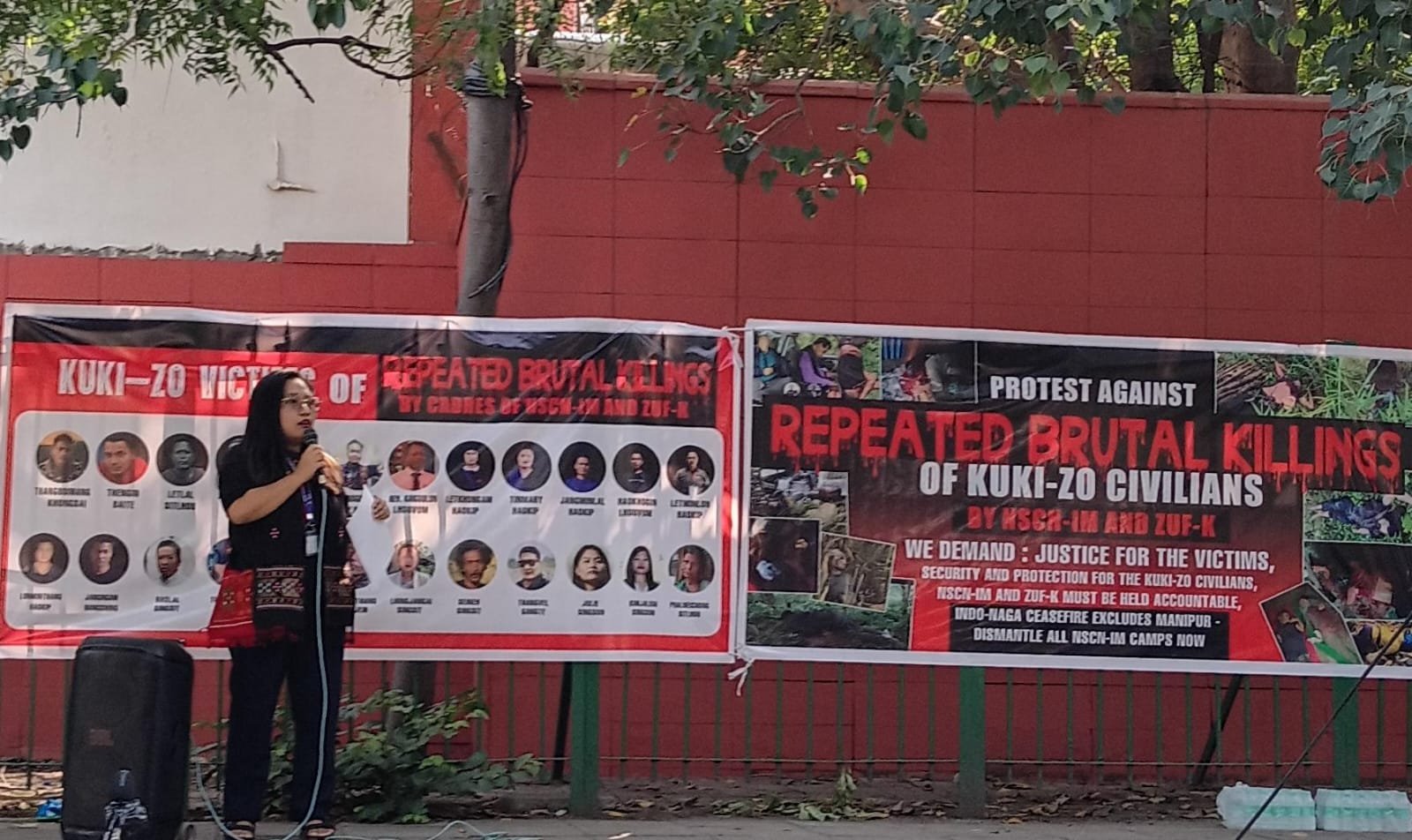
KSO has demanded the immediate abrogation of the NSCN-IM ceasefire and dismantling of nine camps it alleges are unauthorised positions in Manipur.
BY PC Bureau
NEW DELHI, Sept. 17 — The Kuki Students’ Organisation (KSO), Delhi & NCR, has demanded the immediate abrogation of the ceasefire with the National Socialist Council of Nagalim-Isak Muivah (NSCN-IM), accusing the Centre of failing to protect Kuki-Zo civilians amid a series of killings in Manipur.
BJP leaders Paolienlal Haokip and Chinlunthang Manlun joined the protest.
In a memorandum submitted to the Prime Minister’s Office, Ministry of Home Affairs, National Human Rights Commission and National Commission for Scheduled Tribes, KSO claimed that 26 unarmed Kuki-Zo civilians were killed between March 11 and September 15, 2026, including women, elderly people and unborn children.
The organisation attributed the killings to NSCN-IM and ZUF-K, and alleged that attacks on civilians, homes and farmland had taken place across Ukhrul, Kamjong, Tamenglong, Noney, Kangpokpi and Senapati districts.
KSO said the killings demonstrated that the existing security and ceasefire arrangements had failed to provide adequate protection to civilians. It specifically questioned the continuation of the NSCN-IM ceasefire while accusing armed groups of operating from camps in Manipur.
“The existing arrangement has failed to prevent violence against civilians,” KSO said, demanding that the NSCN-IM ceasefire be abrogated immediately and that nine camps it identified as unauthorised NSCN-IM positions in Manipur be dismantled.
The organisation also alleged a disparity in the security response in the state. It claimed that security forces had searched Kuki-Zo villages, dismantled bunkers and seized licensed firearms, while armed groups accused of attacking civilians continued to operate in other areas.
KSO described the alleged disparity as discriminatory and said equal protection under law required the state to act against all armed groups accused of attacking civilians.
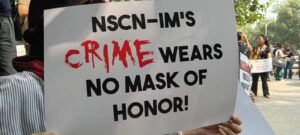
The memorandum comes amid a fresh spate of killings in the hill districts. Four Kuki-Zo civilians were killed in separate incidents in Tollen and Longpi on September 13, according to reports, with Kuki-Zo organisations alleging the involvement of NSCN-IM and ZUF-K. The allegations have not been independently established.
On September 15, two Kuki-Zo women were shot dead at Leisangphai in Tamenglong district. Local organisations identified the victims as 70-year-old Phalneichong Sitlhou and 28-year-old Kimjalhai Singson, a nursing graduate. Police said the attackers had not yet been identified and an investigation was underway.
The latest killings have added to demands from Kuki-Zo organisations for an independent investigation and stronger security in vulnerable areas.
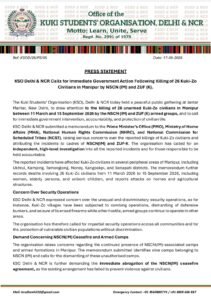
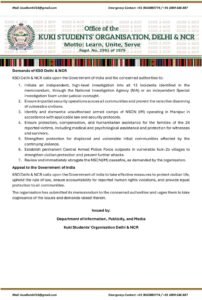
KSO said its memorandum listed 12 incidents and demanded an investigation by the National Investigation Agency (NIA) or a special investigation team under judicial supervision. It also sought compensation for victims’ families, medical and psychological assistance, protection for survivors and witnesses, and permanent deployment of Central Armed Police Forces in vulnerable Kuki-Zo villages.
The organisation subsequently held a protest at Jantar Mantar in New Delhi on Thursday, where it reiterated its demand for action against armed groups accused of attacking civilians.
READ: Manipur: KZC Flags Humanitarian Crisis, Seeks Central Rule
NSCN-IM has previously denied involvement in specific attacks and maintained its commitment to the ceasefire and the peace process, including the 2015 Framework Agreement. The allegations concerning its involvement in the recent killings remain subject to investigation.
KSO’s memorandum puts the focus on a broader question of civilian protection: whether existing ceasefire and camp-monitoring arrangements are sufficient to prevent attacks on villagers in Manipur.
The allegations made by KSO have not been independently adjudicated. The recent killings, however, have intensified demands for investigations, accountability and stronger protection of civilians in the affected hill districts.