



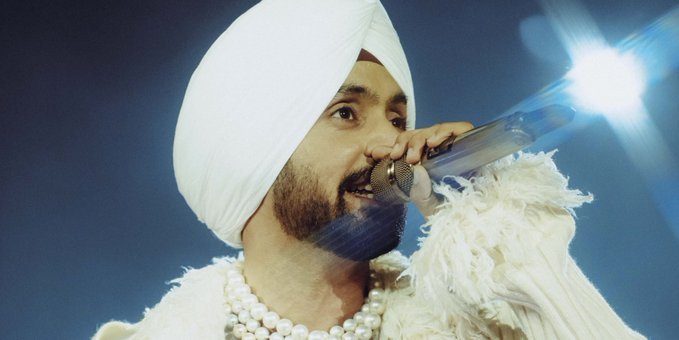
The cancellation of Dosanjh Delhi show comes amid Gen Z unrest in the national capital. The singer’s immense popularity among young Indians has fuelled questions over whether the authorities are wary of large youth gatherings, though police have not cited Gen Z attendance as a reason.
BY PC Bureau
New Delhi, October 22: Delhi Police has denied permission for Punjabi superstar Diljit Dosanjh’s October 30 concert at Jawaharlal Nehru Stadium, citing specific threat-related inputs and security commitments during the festive season. The decision comes amid a wave of Gen Z-led protests in the national capital, raising questions about whether the authorities are becoming increasingly wary of large youth gatherings.
In a letter addressed to ticketing platform BookMyShow, the Office of the Deputy Commissioner of Police, South District, said the request to organise the Delhi leg of Dosanjh’s Aura India Tour had been examined but could not be approved. The police cited security concerns, law-and-order commitments and other factors.
But the festive-season argument invites scrutiny. Diwali falls on November 8, nine days after the concert was scheduled. While security deployments can extend beyond the festival itself, the police have not publicly explained why those commitments made the October 30 event untenable.
The more pressing question is what the authorities mean by “specific threat-related inputs”. The police have not publicly disclosed their nature or explained whether they relate to the venue, a particular threat or the anticipated crowd. Without further details, it is difficult to assess the proportionality of the decision.
Dosanjh a craze among Gen Z
Dosanjh commands an enormous following among young Indians, including Gen Z. His concerts draw large, energetic crowds, making crowd management and security legitimate concerns. But in a city witnessing youth-led protests and an increasingly assertive generation questioning those in power, denying permission to a major concert inevitably invites questions about the establishment’s appetite for large public gatherings.
READ: Leaderless Kuki-Zo Movement Trapped in a Cycle of Empty Slogans, Hollow Threats
There is, as yet, no evidence that the decision was taken because of fears about Gen Z’s presence or that the concert was linked to the protests. The police have not said so. Yet the timing makes transparency essential. A vague reference to threat inputs cannot, by itself, settle questions about whether a restriction on a major public event was necessary.
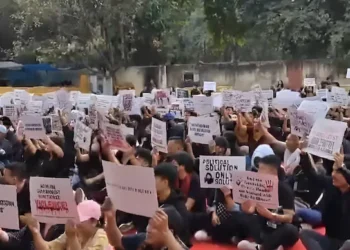
The denial also comes against a wider backdrop of tighter controls on public gatherings in Delhi. Police have cited permission requirements and security considerations while restricting protests, including demonstrations linked to the current electoral-roll controversy. The distinction between a political protest and a ticketed concert is obvious, but both raise a common question: how far can security concerns be invoked without a clear public explanation?
For fans who had been preparing to attend the October 30 show, the decision is a major setback. Details of any rescheduling, refunds or other ticket-related arrangements remain awaited.
Security threats must be taken seriously. But so must the need for clear, credible reasons when authorities prevent a major event from going ahead. In a capital already on edge over youth protests, the refusal risks reinforcing the perception that the establishment is uncomfortable with large gatherings it cannot easily predict or control.





Comments 1