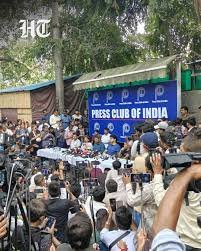
Dhruv Rathee alleged that he was taken from his Gurugram home and held for around 22–23 hours. His detention has intensified scrutiny of police powers, freedom of expression and the right to peaceful protest.
BY PC Bureau
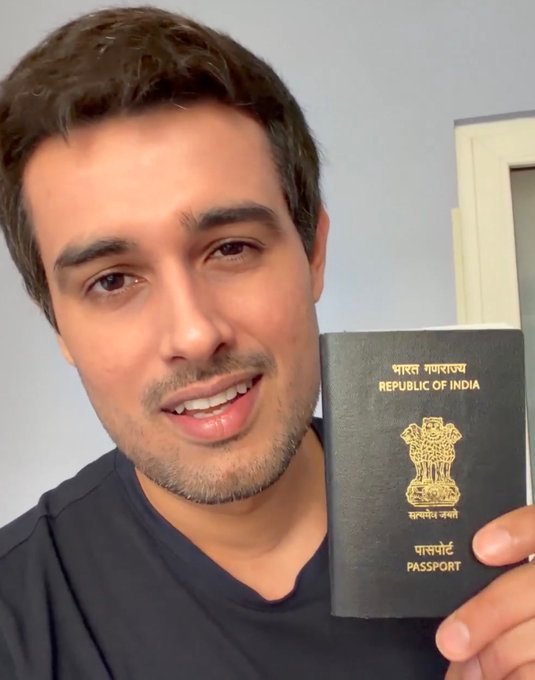
New Delhi/ October 11: YouTuber Dhruv Rathee has hit back at questions over his citizenship by posting a video displaying his Indian passport and asserting that he is, has always been, and will remain an Indian citizen entitled to the same rights as any other Indian.
Rathee shared the video after his release from detention, rejecting claims that he holds a foreign passport. His statement came amid a controversy over his citizenship status following his participation in protests against the Special Intensive Revision (SIR) of electoral rolls.
The episode has drawn attention to the treatment of political commentators and protesters as well as the questions raised about Rathee’s citizenship after he joined an anti-SIR demonstration in Bengaluru.
YouTuber Dhruv Rathee reveals how he was “KIDNAPPED”……yes, he used the word “kidnapped” instead of “detained”…..and explains how he was kept at a police station for 20–22 hours.
He also shows his Indian passport, clearing the air for those who believe he is a German citizen.
#DhruvRathi #DelhiPolice #CJP #BJP #India #Germany https://t.co/d30m0hcwrN
— Global News (@Jarvis945) October 11, 2026
Detention Ahead of Delhi Protest
Delhi Police took Rathee into custody from his residence in Gurugram on October 10, hours before the Cockroach Janta Party (CJP) planned a demonstration at Jantar Mantar demanding Chief Election Commissioner Gyanesh Kumar’s resignation over alleged irregularities in the SIR exercise.
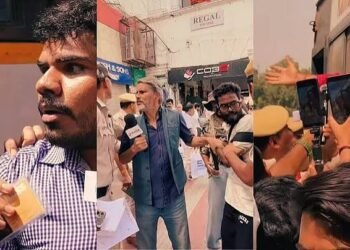
In a video posted after his release, Rathee described the police action as a “kidnapping” rather than a formal arrest. He alleged that around 20 people in plain clothes entered his home early in the morning, that his mother was pushed and that he was dragged from his bedroom without being allowed to put on his slippers.
He further claimed that he was moved between police stations and held for around 22–23 hours without access to his phone or a lawyer. These allegations have not been independently verified in detail.
Rathee also denied reports that he had given the police an undertaking not to participate in future protests. He described the situation as an “unofficial emergency” and said he would continue speaking out on issues concerning the country.
READ: Delhi Police Makes Mockery of SC Order, Continues Crackdown on Protesters
Passport Video Counters Citizenship Claims
The passport video directly addressed speculation about Rathee’s citizenship, which intensified after former Bengaluru Police Commissioner Bhaskar Rao wrote to the Union Home Ministry seeking verification of his citizenship and immigration status.
Rao’s letter reportedly referred to the understanding that Rathee held German citizenship and sought details about the passport he used to enter India, his visa category and whether his participation in a political protest was consistent with the conditions of his stay.
Rathee, who has lived and studied in Germany, rejected claims that he holds a foreign passport. By displaying his Indian passport, he sought to counter the allegations and reaffirm his Indian citizenship.
Protest Rights and Police Action Under Scrutiny
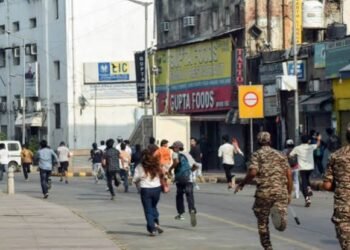
Police sources described the action against Rathee as preventive detention linked to restrictions imposed ahead of the CJP demonstration. Authorities had denied permission for the protest and mounted a major security operation across Delhi, detaining numerous demonstrators and political activists.
Rathee’s detention and subsequent release have added to the controversy over police powers, freedom of expression and the right to peaceful protest. The CJP-led agitation has centred on allegations of irregularities in the SIR exercise and demands for Gyanesh Kumar’s resignation, while the Election Commission has defended the revision process.
The passport video has shifted the immediate focus to Rathee’s citizenship, but the larger questions raised by his detention remain: the legal basis for the police action, the treatment of those taken into custody and the extent to which citizens can exercise their right to protest.