Five Manipur civil society groups have demanded a fair review of the university’s handling of the case and urged the media to avoid sensationalised coverage that could prejudice the proceedings.
BY PC Bureau
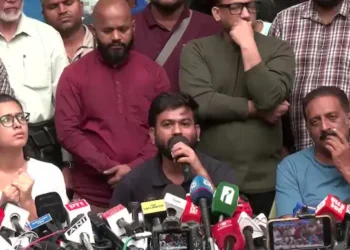
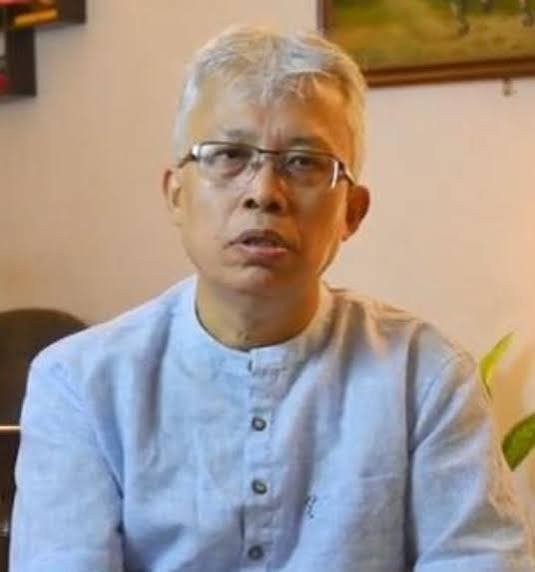
NEW DELHI, October 15, 2026: Several Delhi-based Manipuri civil society organisations (CSOs) have called for due process, confidentiality and impartiality in the ongoing sexual harassment case at Jawaharlal Nehru University (JNU) involving Inner Manipur MP Professor Bimol Akoijam and students, warning against what they described as political theatrics and media trials.
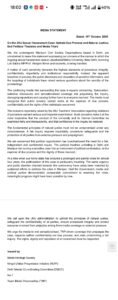
In a joint statement issued on Wednesday, titled “On the JNU Sexual Harassment Case: Uphold Due Process and Natural Justice; End Political Theatrics and Media Trials,” the Manipur organisations said the sensitivity of the case demanded the highest standards of procedural integrity, confidentiality and institutional responsibility.
They alleged that apparent breaches of procedure, the public disclosure and circulation of sensitive information, and the targeting of individuals had raised serious concerns about the integrity of the proceedings.
READ: Modi Govt Waged War Against People to Shield a ‘Vote Chor’: Dipke”
The groups also criticised the media coverage surrounding the case, warning that speculation, selective disclosures and sensationalised reporting could prejudice the inquiry, damage reputations and cause further harm to those involved.
“Public scrutiny must not come at the expense of due process, confidentiality, and the rights of those concerned,” the statement said.
Call for scrutiny of JNU inquiry procedures
The organisations said concerns reportedly raised by the JNU Teachers’ Association over alleged procedural violations warranted serious and impartial examination. They called for a fair review of the university administration’s conduct and that of its Internal Committee to restore confidence in the inquiry.
Emphasising the principles of natural justice, the statement said a fair investigation required impartiality, adequate procedural safeguards and protection against external pressure and prejudgment.
The groups expressed concern that political considerations were overshadowing the need for an independent and confidential inquiry. They warned that political interventions in Delhi and Manipur risked turning the case into another arena for partisan contestation.
They urged the university to ensure that all parties were treated fairly and that the inquiry was not influenced by political pressure or public speculation.
Groups flag politicisation amid Manipur crisis
The organisations also placed their concerns in the context of Manipur’s prolonged crisis, which they said had continued for nearly four years.
They argued that the intense political and media attention surrounding the JNU case contrasted with what they described as the lack of sustained attention to the wider crisis in Manipur.
“The same urgency and public attention directed towards this controversy have rarely been matched by sustained efforts to address the crisis in Manipur,” the statement observed.
Delhi: Congress MP Angomcha Bimol Akoijam says, “I worked here and spent my life here…I don’t quite feel a sense of belonging. I feel more attached to Manipur now, thanks to what is happening. I have come here because the Delhi Police called me to join the investigation, so I came to cooperate…”
— IANS (@ians_india) October 15, 2026
The Manipur CSOs called on the JNU administration to uphold natural justice, protect confidential information, maintain procedural integrity and safeguard everyone involved from prejudice arising from media coverage or external pressure.
They also appealed to the media to end what they described as sensationalised, television-rating-driven coverage that prejudged the case and risked undermining a fair inquiry.
The statement was issued by the Meitei Heritage Society, Ningol United Progressive Initiative (NUPI), Delhi Meetei Co-ordinating Committee (DMCC), No. 7, and Team Meitei Personalities (TMP).
The specific procedural allegations made by the organisations had not been independently verified at the time of publication. Responses from JNU, its Internal Committee, Professor Akoijam and other parties concerned were not immediately available.