The plan calls for lifting sanctions, ending the naval blockade, and ensuring the reopening of the Strait of Hormuz, a critical global oil route. Trump has expressed skepticism, saying the proposal is unlikely to be acceptable despite ongoing review by his administration.
BY PC Bureau
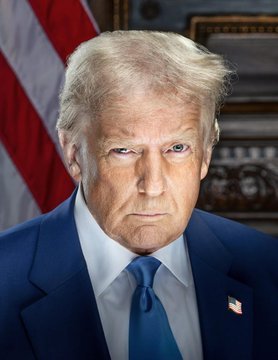
May 3, 2026 — U.S. President Donald Trump has rejected Iran’s latest 14-point proposal to end the ongoing war, dealing a significant setback to diplomatic efforts aimed at stabilising tensions in West Asia.
Speaking to Israeli outlet Kan News, Trump said he had reviewed Tehran’s proposal and found it unacceptable, even as his administration continues to examine its details. The plan calls for lifting sanctions, ending the naval blockade, and ensuring the reopening of the strategically vital Strait of Hormuz, but Trump expressed skepticism, saying it is unlikely to be acceptable in its current form.
Iran had presented a sweeping 14-point framework to the United States aimed at bringing a permanent end to the conflict, setting a 30-day deadline for resolving all major disputes. The proposal was conveyed through intermediaries, including Pakistan, and is being positioned by Tehran as a final roadmap for peace rather than an extension of the fragile ceasefire currently in place.
BREAKING: US President Trump told Israeli Kan News that he reviewed Iran’s new proposal and rejected it. https://t.co/ez1oom1yky pic.twitter.com/pil42OoTnr
— ConflictLive (@conflict_live) May 3, 2026
Iranian state-linked media described the plan as a “final framework” to end hostilities. The powerful Islamic Revolutionary Guard Corps (IRGC) reinforced the proposal with a stark warning, stating that Washington must choose between what it termed an “impossible military option” or a “bad deal.”
As part of the proposal, Iran has demanded that the U.S. lift its naval blockade and economic sanctions within the 30-day window. The IRGC framed the timeline as a decisive moment, warning that continued pressure could further escalate the conflict.
READ: Wounds Unhealed, Justice Denied, Kuki-Zo Masses Observe “Separation Day” Across Manipur Hills
Trump Signals Doubts
Earlier, Trump said his administration was reviewing the proposal but cast serious doubt over its viability. In remarks to media and on social platforms, he said Iran had “not yet paid a big enough price” for its actions over decades, adding that he “can’t imagine that it would be acceptable.”
NEW: Iran proposes a 3-stage plan to end the war.
Stage 1 (Now): End the war
— Turn ceasefire into permanent peace (≈30 days)
— Reopen Hormuz + lift US blockade (gradual)
— Mutual non-aggression (incl. Israel)Stage 2 (mid-term): Nuclear deal
— Freeze enrichment up to 15… pic.twitter.com/IncU0kCCKw
— Clash Report (@clashreport) May 3, 2026
Key Provisions of Iran’s Plan
According to Iranian media reports, the proposal includes:
- A full resolution of all disputes within 30 days
- Immediate lifting of all U.S. sanctions and release of frozen assets
- Termination of the U.S. naval blockade
- Withdrawal of U.S. forces from the region
- Cessation of hostilities across theatres, including Israeli operations
- Mutual non-aggression guarantees, including security assurances involving Israel
- Gradual reopening of the Strait of Hormuz, with Iran overseeing mine clearance
- Rejection of dismantling Iran’s nuclear infrastructure
The plan is seen as a direct counter to earlier U.S. proposals, which reportedly demanded stricter curbs on Tehran’s nuclear and military posture.
Fragile Ceasefire, Uncertain Path Ahead
The proposal came amid a tenuous ceasefire brokered in early April through regional mediators, including Oman. While large-scale fighting has subsided, tensions remain high, with both sides maintaining military readiness.
The Strait of Hormuz remains a critical flashpoint. The ongoing U.S. naval presence and restrictions on Iranian exports have contributed to volatility in global energy markets, raising fears of supply disruptions.
Recent diplomatic engagement—such as talks involving Iranian Foreign Minister Abbas Araghchi—suggests that backchannel negotiations are still active. However, public positions on both sides remain far apart.