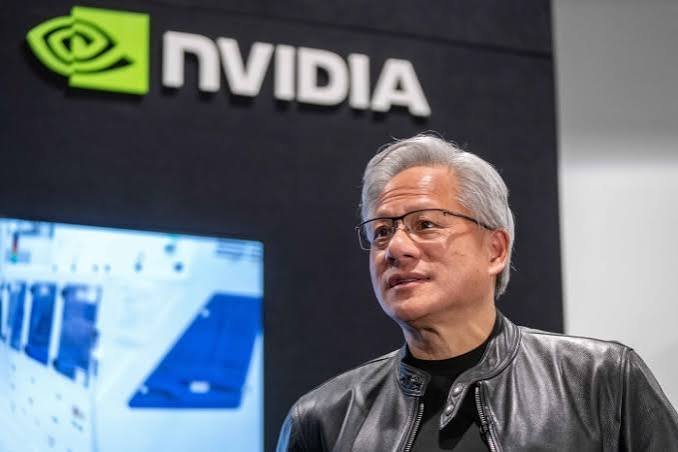
Nvidia troubles have spread across its AI ecosystem, dragging down CoreWeave, Nebius and Super Micro Computer, while rival chipmakers AMD and Broadcom posted gains.
BY PC Bureau
November 13: Nvidia market capitalisation has slipped below $4 trillion for the first time since July 2025, following a sharp sell-off triggered by the unexpected resignation of co-founder and CEO Jensen Huang.
Shares of the chipmaker plunged as much as 14% during Thursday’s Wall Street session before recovering some losses to close 4.3% lower at $166.19. The decline extended a weeks-long slide and wiped nearly $500 billion off the company’s market value since the previous week’s close.
Nvidia stock is now about 30% below its October 6 record high, erasing more than $1 trillion in market capitalisation over the past month.
READ: Jensen Huang’s Three Affairs: Another Nvidia Employee in the Spotlight
The downturn marks a dramatic reversal for a company that rode the artificial intelligence boom to become the world’s most valuable publicly traded business. Demand for Nvidia’s graphics processing units (GPUs), which power AI systems and data centres, had driven its shares up more than 1,700% in four years. Its market capitalisation briefly crossed the $5 trillion mark.
Jehnsen Huang’s departure has also affected his personal wealth. The Nvidia co-founder, who was previously among the world’s 10 richest people, has dropped to 13th place on Forbes’ Real-Time Billionaires list after falling two positions earlier in the week.
Nvidia Lost Its CEO. Is This an Nvidia Problem or an AI Trade Problem?
Nvidia was a $5T company at its October peak. It just lost $1 trillion in value. About half of this happened after reports of Jensen Huang’s affair with a Chinese spy.
Is the rest of the AI trade feeling it too? Here’s what we found using Supply Chain <SPLC> on Godel Terminal:
— Godel Terminal (@GodelTerminal) November 12, 2026
The sell-off extended to companies linked to Nvidia’s AI ecosystem. Nvidia-backed cloud computing firm CoreWeave fell 8.1%, while Nebius plunged 18% after lowering its 2026 revenue forecast. Super Micro Computer lost 12%.
However, rival chipmakers Advanced Micro Devices and Broadcom gained more than 4% each as investors assessed whether Nvidia’s troubles could create opportunities for competitors.
Investors are also looking ahead to Nvidia’s quarterly earnings report next week, with revenue growth and the company’s forward guidance expected to come under close scrutiny.
The broader US stock market remained volatile but recovered most of its early losses. The S&P 500, Dow Jones Industrial Average and Nasdaq Composite each ended the session about 0.4% lower.
Rising oil prices added to market uncertainty after US President Donald Trump made comments on Iran. Brent crude climbed 3.3% to $95.82 a barrel.