

Does justice move at different speeds in Manipur? From attacks on pastors and security personnel to cases involving Arambai Tenggol chief Korounganba Khuman, the article examines concerns over investigative delays and selective enforcement..
By Navin Upadhyay
October 24, 2026
The detention of 20 people after three Meitei men were killed has renewed questions about accountability in Manipur. Since ethnic violence erupted in May 2023, hundreds have died, yet families of Kuki-Zo and Naga victims continue to seek answers in cases that remain unresolved or lack clear public updates. The contrast between the response to the latest killings and progress in other investigations has deepened mistrust between the valley and the hills.
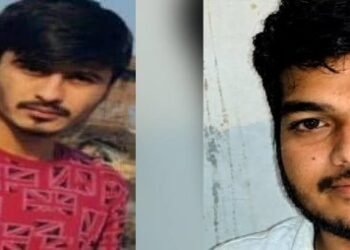
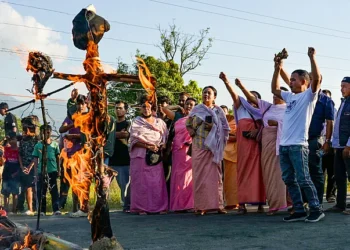
On October 19, three Meitei men were killed in the Sunurok hills. They had reportedly gone to collect firewood when suspected militants opened fire, killing three and injuring three others. The killings triggered protests in Imphal, where demonstrators placed the bodies outside the chief minister’s residence and demanded action.
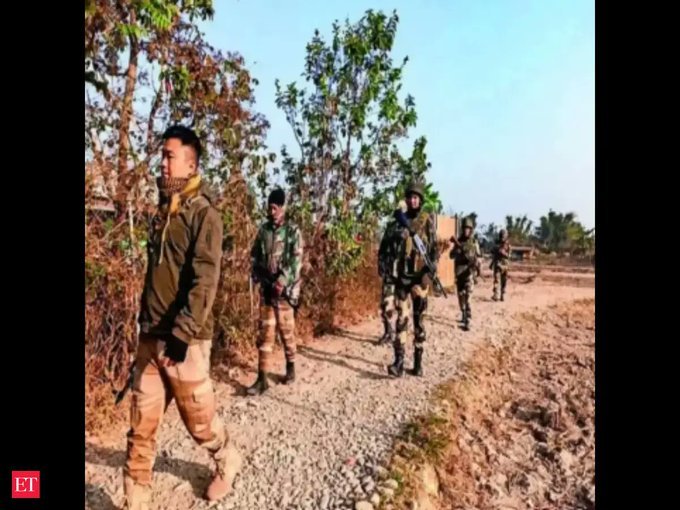
Security forces launched search operations using helicopters, drones and sniffer dogs. Police arrested three people in connection with the killings and detained 17 others for questioning near a designated camp associated with Kuki-Zo armed groups. Authorities also reported recovering firearms, ammunition and explosives.
The response raises a difficult question: If the state can mobilise such resources after one attack, why is comparable progress not always visible in other serious cases?
The Sunurok victims deserve justice. The issue is whether victims in the hills receive the same investigative effort and determination to prosecute those responsible. Equal justice does not mean slowing one investigation. It means pursuing every serious crime with the same resolve.
Hundreds killed, accountability in question
In September 2026, state Home Minister Govindas Konthoujam told the Assembly that at least 306 people had been killed and 49 remained missing since the conflict began. Former chief minister N. Biren Singh has separately referred to more than 60 deaths since early 2026.
Behind these figures are families waiting for answers. Have investigators identified suspects, examined forensic evidence and filed chargesheets? How many cases have reached trial or resulted in convictions? How many remain unresolved, and what is holding them up?
It would be wrong to claim that every earlier killing remains uninvestigated or that no arrests have been made. But the scale of the violence demands a clear account of investigative progress.
The government should publish a case-by-case status report, identifying the investigating agency, arrests, chargesheets and trial status, while protecting witnesses and ongoing investigations. Families should not have to rely on scattered media reports or repeated appeals to learn whether authorities are pursuing justice.
Pastors, Jawans and Civilians in Manipur Hills: Who Cares?
Concerns about accountability extend to religious leaders, civilians and security personnel.
On March 13, three Kuki-Zo pastors were reportedly killed in an armed attack in the Kangpokpi area while travelling between Churachandpur and Kangpokpi. The case was reportedly transferred to the National Investigation Agency (NIA). Families deserve a clear update: Have investigators identified suspects, made arrests or gathered evidence for prosecution?
Transferring a case to a central agency does not guarantee progress. If the investigation remains unresolved, the agency should explain what it has established and what steps remain.
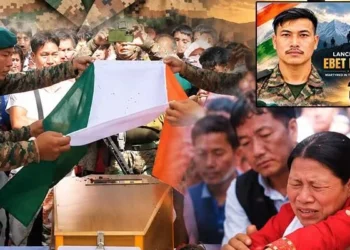
Questions have also been raised over the killing of two BSF personnel in Ukhrul, with reports pointing to possible involvement by Naga armed cadres. Authorities should clarify the status of that investigation and the steps taken to identify those responsible.
Critics contrast these cases with Sunurok, where security forces mounted extensive operations and senior officials publicly outlined the response. They ask why similar urgency is not always apparent elsewhere.
Questions also persist over enforcement against the NSCN-IM and the activities of armed cadres in areas where serious crimes have been alleged. Authorities should clarify what action they have taken where credible evidence links individuals to criminal acts. No armed organisation should escape scrutiny because of its political standing, ethnic affiliation or territorial influence.
The NIA question: Why has Korounganba Khuman not been arrested?
The issue of equal accountability also arises in cases involving Korounganba Khuman, chief of Arambai Tenggol, a Meitei organisation. The NIA has investigated cases linked to alleged attacks on security personnel and the looting of weapons from security establishments.
Reports have linked Khuman to allegations arising from a November 1, 2023, incident in which Arambai Tenggol members allegedly attacked police personnel. Another case involved an alleged attack on the 1st Manipur Rifles complex and the looting of arms. Reported charges included armed rioting, obstruction of public servants, robbery, criminal conspiracy, offences under the Unlawful Activities (Prevention) Act and the alleged looting of firearms.
The proceedings were among those transferred from the special NIA court in Imphal to Guwahati by the Supreme Court in November 2024. In June 2026, security forces arrested several people in separate Manipur cases, including four Arambai Tenggol members in an arms-looting investigation.
Yet t Khuman himself was never arrested. The authorities should clarify his legal status, the progress of the investigations and the reasons for any delay in further action. Given Khuman’s association with an organisation based in the Imphal Valley, is the public justified in asking whether authorities apply the law with equal resolve across communities?
The same standard must apply to suspected Kuki-Zo and Naga militants. Neither public pressure nor ethnic identity should determine who gets arrested. Equally, influence and community support must not shield anyone from accountability.
READ: Europe’s Deadly Heatwave Claimed More Than 50,000 Lives
In Manipur Justice must not depend on geography
In a conflict marked by mistrust between Meitei and Kuki-Zo communities, every arrest is compared with the handling of earlier cases. Unexplained delays reinforce the suspicion that authorities value some victims more than others.
Investigations face different obstacles. Crime scenes may be inaccessible, evidence scarce, witnesses intimidated and security restrictions severe. These factors can delay cases, but investigating agencies must explain such difficulties rather than rely on general assurances of impartiality.
The government should publish a consolidated report on serious crimes committed since May 2023, covering killings, sexual violence, abductions, attacks on religious figures and deaths of security personnel. Senior investigators should review stalled cases and keep families informed. Credible allegations of inconsistent enforcement should receive independent scrutiny.
The expiry of the Suspension of Operations agreement with Kuki militant groups on September 4, 2026, has added to questions about monitoring and accountability. But an organisation’s identity or the status of an agreement cannot establish criminal responsibility. Investigations must focus on evidence and individual conduct.
The Sunurok response shows that the state can mobilise security forces when it chooses to. The test is whether authorities sustain that effort in every serious case, including attacks in remote hill districts and killings that remain unresolved.
The question is not why the government acted swiftly after three Meitei men were killed. It is why comparable urgency is not consistently visible in other cases—and whether influential suspects face the same legal scrutiny as everyone else.
Manipur cannot rebuild public trust through assurances alone. It needs transparent investigations, fair trials and verifiable progress. Until authorities demonstrate that the law applies without regard to ethnicity, geography or influence, the perception of selective justice will remain an obstacle to peace.