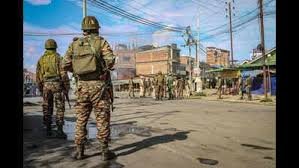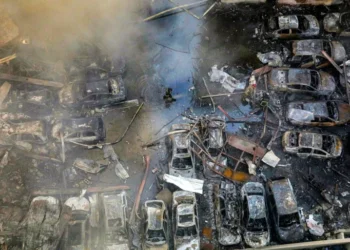
Interceptions were reported near Al Udeid Air Base and facilities linked to the U.S. Navy’s Fifth Fleet in Bahrain, as Gulf states activated air defense systems and closed airspace.
BY PC Bureau
March 1, 2026 – The escalating confrontation between the United States, Israel and Iran entered its second day on Sunday, with renewed airstrikes reported in Tehran and retaliatory missile and drone attacks impacting multiple Gulf states.
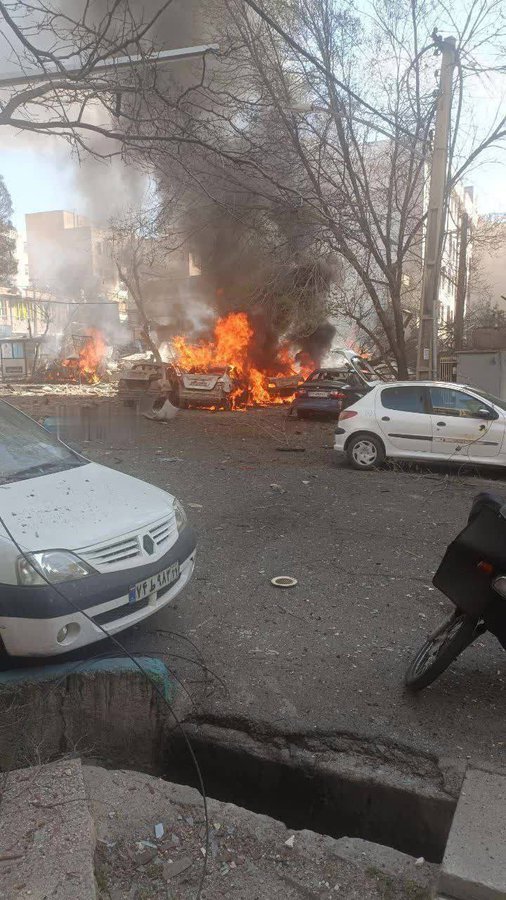
Fresh explosions were heard across the United Arab Emirates, Qatar and Bahrain, as Iranian counterattacks targeted U.S.-linked military sites and infrastructure in cities including Dubai, Abu Dhabi, Doha and Manama. Witnesses described loud blasts, air defense interceptions lighting up the skies, and smoke rising from various districts.
The latest escalation follows confirmation of the killing of Iran’s Supreme Leader, Ali Khamenei, during an initial U.S.-Israeli strike late Friday. Iranian officials have vowed retaliation, framing the attacks as an “open declaration of war.”
🚨 JUST IN
Explosions have been reported in Dubai, Doha and Manama as part of Iran’s retaliatory strikes on US and allied targets in the Gulf following recent US-Israel attacks on Iran. 🇮🇷 pic.twitter.com/SbcM5s17iG
— Unfiltered_Neuz (@Unfiltered_Neuz) March 1, 2026
UAE: Airports and Port Facilities Affected
In Dubai, debris from intercepted missiles reportedly caused limited structural damage at Dubai International Airport (DXB), prompting authorities to suspend operations temporarily. In Abu Dhabi, fallout from drone interceptions near Zayed International Airport resulted in one confirmed fatality and several injuries, according to local officials.
Fires were also reported near berths at Jebel Ali Port, a major global shipping hub. Residents in coastal districts such as Dubai Marina and Palm Jumeirah reported buildings shaking from repeated blasts. The UAE Defense Ministry stated that dozens of ballistic missiles and drones were launched toward the country over two waves of attacks, most of which were intercepted.
READ: Interceptions were reported near Al Udeid Air Base and facilities linked to the U.S. Navy’s Fifth Fleet in Bahrain, as Gulf states activated air defense systems and closed airspace.
Qatar and Bahrain on Alert
In Qatar, authorities said the majority of missiles aimed at the country were intercepted, though injuries were reported. Smoke was seen rising south of Doha, near the vicinity of Al Udeid Air Base, the largest U.S. military installation in the Middle East.
In Bahrain, projectiles were directed toward facilities associated with the U.S. Navy’s Fifth Fleet, headquartered in Manama. Air raid sirens sounded across the capital as defense systems engaged incoming threats. Videos circulating online showed fires in residential areas following drone interceptions.
Strikes Inside Iran
Meanwhile, the Israel Defense Forces (IDF) announced a new wave of strikes targeting what it described as strategic infrastructure in Tehran. Large explosions were reported near government and security-linked sites. Israeli officials characterized the campaign as focused on degrading military capabilities and leadership assets.
U.S. President Donald Trump stated that operations would continue “as long as necessary,” while emphasizing objectives related to security and regional stability.
Iran’s interim leadership council, formed under constitutional provisions following Khamenei’s death, pledged continued retaliation. Senior official Ali Larijani warned that further strikes would follow.
READ: 10 Killed in Protest, Clashes at US Consulate in Karachi
Regional and Global Impact
Casualty figures remain fluid. Iranian state media reported significant fatalities from the initial strikes, while Gulf authorities confirmed deaths and injuries resulting from debris and direct impacts.
Oil markets reacted sharply, with Brent crude prices rising amid fears of supply disruption through the Strait of Hormuz, a critical artery for global energy shipments. Although no formal closure has been declared, shipping activity has slowed and regional airspace closures have disrupted international travel across Europe-Asia routes.
Calls for restraint have intensified. Oman signaled readiness to mediate, while other international actors urged immediate de-escalation. However, with active military exchanges continuing on multiple fronts, analysts warn the confrontation risks expanding into a broader regional conflict with significant economic and security consequences.
This is a developing story. Further updates are expected as additional details emerge from across the region.